Here's the thing about missing desire
You're not broken. Your partner isn't the problem. Libido doesn't just vanish into the void one day without reason. Low desire is almost always a symptom, not a personality flaw. And the good news? It responds to intervention.
I work with couples where one partner's libido has tanked, and the dynamic that usually emerges is predictable: the lower-desire partner feels pressured, the higher-desire partner feels rejected, and both end up convinced something is fundamentally wrong with the relationship. In my experience, something is wrong. It's just rarely what they think it is.
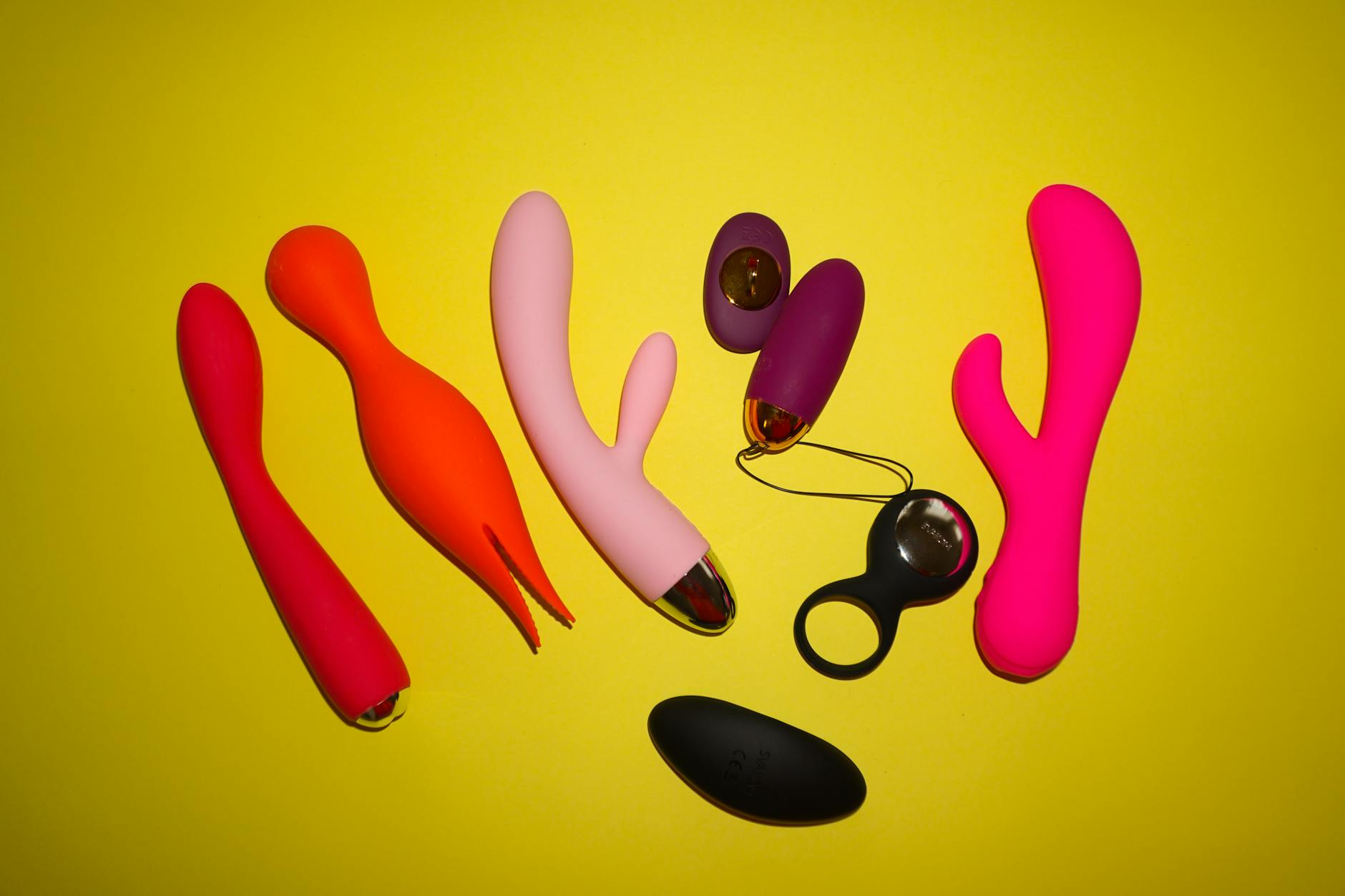
Lemon clitoral vibrators have become one of my favorite tools to recommend during this conversation because they work on the physical level in a way that can break the stalemate.
What actually kills desire (the honest list)
Before we talk about how lemon vibrators help, it helps to know what you're working against. Low libido doesn't have a single cause, but certain patterns show up repeatedly in my practice.
Chronic stress and exhaustion. Your nervous system is stuck in sympathetic activation (fight-or-flight). Your brain is running a 24-hour threat assessment. Desire requires parasympathetic activation (rest-and-digest mode). You can't access arousal when your body thinks it's under attack.
Relationship friction that goes unaddressed. This is the one nobody wants to name. If there's resentment, unheard complaints, or emotional distance in the relationship, desire often shuts down faster than you'd expect. It's a safety mechanism. Your body knows that intimacy requires vulnerability, and if vulnerability isn't safe right now, arousal gets shelved.
Medication side effects. SSRIs, birth control, blood pressure meds, antihistamines. The list is long. If your desire shifted after starting something new, that's worth discussing with your doctor. There are often alternatives.
Hormonal changes. Not just menopause. Thyroid dysfunction, vitamin deficiencies, cortisol dysregulation. A simple blood panel can rule out or confirm these.
Disconnection from your own body. This one surprises people, but it's common. If you've spent years prioritizing your partner's pleasure, managing their emotions, or getting disconnected from sensation for any reason, your arousal circuitry gets rusty. You stop noticing what feels good because you're not checking in.
How lemon vibrators help rebuild arousal
A lemon clitoral vibrator doesn't fix the stress or heal the relationship conflict or change your medication. What it does is create a direct pathway back to sensation when your nervous system has gone quiet.
Here's the mechanism. Air-suction technology (the way lemon vibrators and similar devices work) stimulates nerve endings differently than traditional vibration. Instead of direct mechanical pressure, which can feel jarring when you're not in the mood, suction creates a gentle pulling sensation that builds arousal gradually. For people whose desire has flatlined, this gentler initiation point matters. You're not jumping from zero to sixty. You're waking up a sleeping system.
When you use a lemon vibrator solo, away from relationship pressure, something neurological shifts. You're reconnecting with your own pleasure without performance anxiety. Your body remembers what responsiveness feels like. That memory becomes a blueprint for future arousal, partnered or solo.
The rebuild cycle looks like this:
Week 1-2: Solo exploration with a lemon vibrator, no goal of orgasm. Just noticing sensation, finding patterns that feel good. Intensity levels 1-3. This rewires the message your brain is sending: "pleasure is available to me, and it's safe to access it."
Week 3-4: If you have a partner, you start bringing the lemon vibrator into partnered time. Not as a replacement. As an introduction. Let them watch you find your rhythm. This does two things. It removes the pressure on them to "fix" your desire. It shows them what works for you, which typically improves their arousal too.
Week 5 onward: Spontaneous arousal usually returns faster than you'd expect, often within 4-6 weeks of consistent solo use. Your nervous system de-stresses. Your body remembers pleasure is an option. Desire doesn't roar back overnight, but it thaws.
The emotional reset that happens alongside the physical one
One of the things I notice is that using lemon vibrators to rebuild arousal often has a side effect: it gives people permission to prioritize their own pleasure again. That shift in mindset is almost as important as the physical sensation.
If you've been running on empty, the act of carving out 20 minutes to use a vibrator is an act of self-care. It's saying, "My body matters. My sensation matters. I deserve this." That mental reset often cascades into better communication with your partner, lower overall stress, and a stronger sense of self.
It's not magic. It's nervous system recalibration.
When desire is a relationship problem, not a body problem
Honestly? Sometimes a lemon vibrator won't solve this. If the desire gap exists because there's unresolved conflict, infidelity, or a fundamental mismatch in how you and your partner approach intimacy, a vibrator is a band-aid.
I tell people this upfront. Use the lemon vibrator to rule out the physical piece. If after 6-8 weeks of solo exploration your desire is still flat, or if your partner is dismissive of this process, that's a sign you might benefit from working with a couples therapist. Some problems are neurological. Some are relational. You need to know which one you're dealing with.
The practical setup that works
You don't need much. A lemon vibrator, privacy, and consistency matter more than perfect conditions.
Set a low-pressure cadence. Three times a week, 20 minutes. Not daily, which can numb sensation. Not once a month, which breaks momentum. Give your nervous system time to integrate what's happening.
Start at pattern 1 or 2. Let your body acclimate to the sensation. Your goal isn't the fastest path to orgasm. It's reawakening arousal circuitry.
If nothing happens for the first 2-3 sessions, don't panic. You're not broken. Your system is just quieter than it used to be. Keep going. The neurological rewiring takes time.
When you should talk to a doctor
If desire has been absent for over a year, or if it disappeared suddenly with no clear trigger, a medical evaluation is worth doing. Low testosterone, thyroid dysfunction, and vitamin deficiencies all kill libido and are all treatable.
Similarly, if depression or anxiety is running in the background, addressing that with a therapist or doctor often shifts desire as a side effect. You're not treating the low libido directly. You're treating the condition that's suppressing it.
FAQ
Can a lemon vibrator actually bring back desire if it's been gone for years?
Desire can return, but it depends on the cause. If it's been suppressed by stress, disconnection, or physical deconditioning, yes. A lemon vibrator, used consistently, can restart that arousal system within weeks. If it's been killed by relationship rupture or medical conditions you haven't addressed, the vibrator is helpful but not sufficient. You might need therapy or medical intervention alongside the physical tool.
Do I have to tell my partner I'm using a lemon vibrator to rebuild my libido?
Not immediately. Using it solo first is often smarter because it removes performance pressure and lets you reconnect with your own sensation without an audience. Once you're feeling more responsive, you can invite your partner in if you want to. Many people find that simply having higher arousal levels makes them more interested in sex with their partner, and they never explicitly discuss the tool.
How long before I notice my desire coming back?
Most people report a shift in arousal capacity within 2-3 weeks of consistent solo use. Actual libido, the spontaneous desire to have sex with a partner, typically follows within 4-8 weeks. This varies wildly depending on what killed your desire in the first place. If stress is the culprit, it might be faster. If relationship conflict is the root, you'll need to address that separately.
My partner feels threatened by me using a lemon vibrator. What do I say?
This is worth a direct conversation outside the bedroom. You're not replacing them. You're rebuilding a part of yourself that's gone dormant. Many partners feel less threatened once they understand that, and even more often, they become more attracted to you once your energy around sex shifts from obligation to actual interest. If they remain resistant, that's worth exploring in couples therapy.
Can I use a lemon vibrator if I'm on antidepressants that kill my libido?
Absolutely. In fact, using a vibrator to stimulate sensation while on SSRIs can sometimes help your nervous system wake up to arousal anyway. That said, if sexual side effects are severe, you might also ask your doctor about adjusting your dose, timing your medication differently, or switching to an SSRI with fewer sexual side effects. A vibrator is complementary to that conversation, not a replacement for it.
What if I use the vibrator and feel nothing? Does that mean my desire is permanently gone?
No. If you feel completely numb, that's often a sign your nervous system is in shutdown mode or you're using the wrong intensity level. Start lower. Go slower. Give yourself permission for multiple sessions to feel like "nothing." Your body is learning to wake up again. Sometimes that takes a few weeks. If numbness persists after 6-8 weeks, discuss it with a doctor, because that can signal a medical issue worth addressing.
The bottom line
Low desire is fixable, and lemon vibrators are one piece of the fix. They work because they tap into the nervous system directly, bypassing the mental chatter that usually stops arousal. They give you back a sense of agency over your own pleasure. And they often shift the relationship dynamic in ways that matter just as much as the physical sensation.
Your desire isn't gone. It's just taking a nap. The right tool, the right setup, and a little patience can wake it back up.
If you're struggling with desire and want to talk through what might help in your specific situation, reach out to us. We're here to help you figure this out.