The thing nobody tells you about aging and arousal
Let's be real. Natural lubrication decreases with age, and most people act like admitting this is somehow vain or unhelpful. It's neither. It's biology, and understanding it is the difference between struggling through sex or enjoying it completely.
Your clitoris doesn't age out. Your arousal capacity doesn't expire. What changes is moisture, elasticity, and how quickly your body preps for stimulation. And that's actually manageable with the right approach.
Why lubrication shifts as you age
Estrogen is the main player here. As estrogen levels drop, tissue becomes thinner and drier. This isn't failure. It's a normal transition that affects most people with vulvas at some point, and it doesn't mean the end of pleasure. It means strategy.
Three things happen simultaneously: blood flow to the clitoris takes slightly longer to build, natural lubrication decreases, and the vaginal tissue becomes more delicate. None of this stops orgasms. All of it is addressable.
Here's what doesn't change: clitoral nerve endings stay sharp, arousal pathways in your brain stay intact, and your capacity for intense pleasure remains completely available.
Why lemon clitoral vibrators work particularly well for lubrication changes
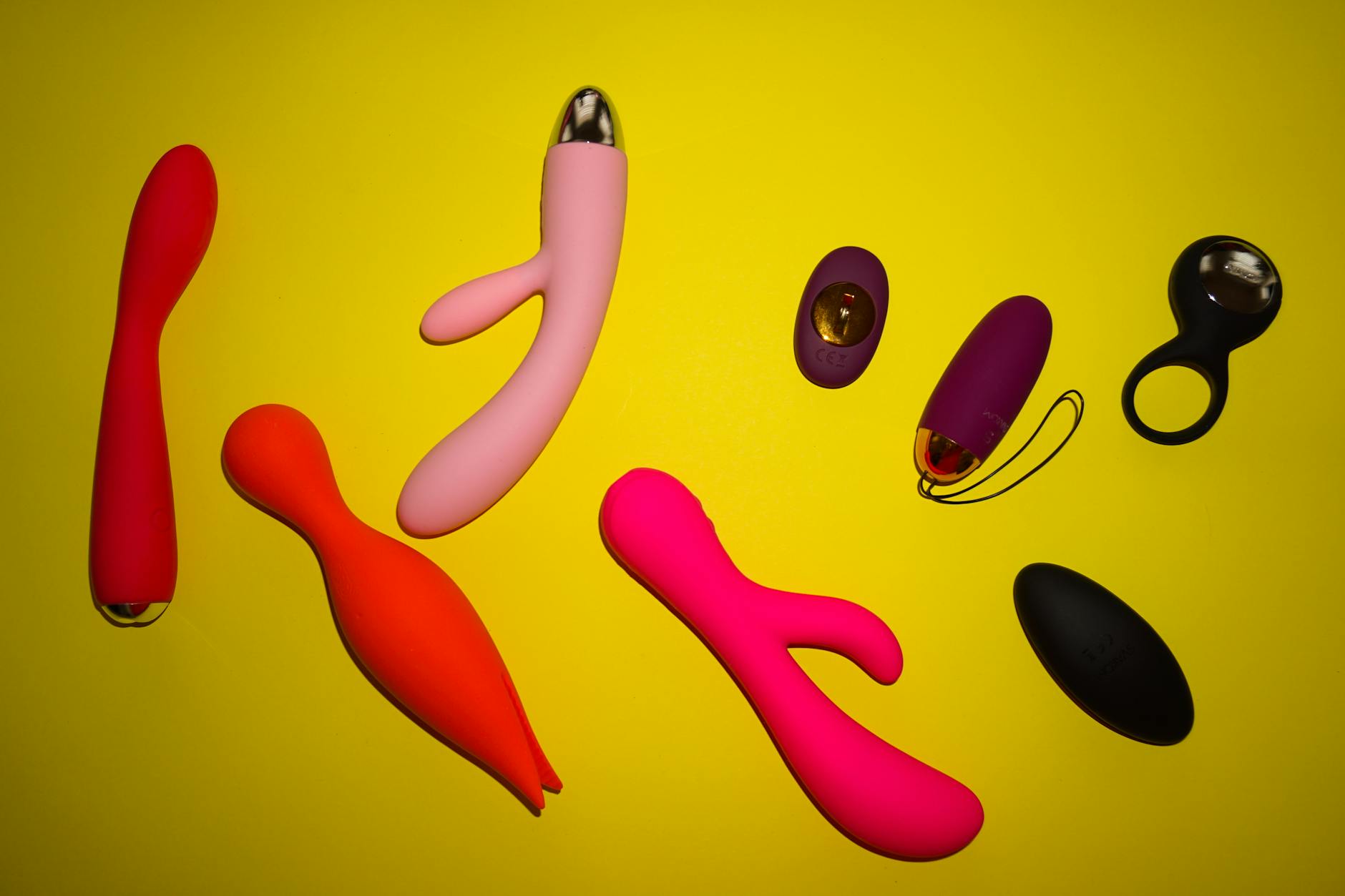
Air-suction vibrators like Lemon's clitoral vibrators function differently from traditional vibrators. Instead of relying on direct friction against tissue, they create a gentle seal and pulse that stimulates through suction. This matters when lubrication is lower because:
Less mechanical pressure needed. Friction vibrators require consistent natural lubrication to feel good. Suction vibrators work with less, because they're not grinding against delicate tissue.
Gentler on thin tissue. As vaginal tissue thins slightly with age, direct rubbing can feel uncomfortable or even cause micro-tears. Suction stimulation avoids this entirely.
Quicker arousal building. The intensity pattern of air-pulse technology often triggers faster clitoral engorgement, which means you're generating your own lubrication faster.
Many people who switch to Lemon's lemon clitoral vibrator specifically because of lubrication changes report that they feel more sensation, reach orgasm faster, and experience less frustration overall.
The lubricant upgrade that changes everything
If you're using the same lubricant you did at twenty-five, it's worth reconsidering. Not all lubes are created equal when tissue is more delicate.
Water-based lubes are your baseline. They're compatible with all materials, they wash off easily, and they rewet naturally when you add more. Brands like Sliquid or System Jo are solid, but honestly any reputable water-based option works.
Hyaluronic acid lubes are the upgrade. They mimic your body's natural lubrication more closely, they rehydrate tissue over time rather than just sitting on top, and they last longer before reapplication. This matters when you're working with less natural moisture.
Silicone-based lubes feel richer but require care. If you're using silicone toys like Lemon's lemon sucker vibrator, avoid silicone lube. Silicone-on-silicone can degrade the material. But if you have glass or stainless steel toys, silicone lube is luxurious and long-lasting.
Skip anything with irritants. Warming lubes, tingling sensations, numbing agents. As tissue becomes more sensitive, these additives go from cute to uncomfortable. Simple is better.
The honest thing: you might need more lube than you used to. That's not a problem. That's just information.
How to adjust your lemon vibrator technique for changing lubrication
Technique matters more than you'd think. Small shifts in how you use your lemon sexual toys can make the difference between discomfort and deep satisfaction.
Start with generous lubrication. Don't be shy. Glide your lemon clitoral vibrator over lubricated skin a few times before you turn it on. This preps the area and ensures you're starting from a comfortable baseline.
Begin on the lowest setting. This isn't a power problem. This is about letting tissue adjust and arousal build gradually. Most people find that starting at pattern one or two feels better than jumping to high intensity. You can build up once you're fully aroused.
Spend time on the hood. Direct clitoral stimulation can feel intense or even uncomfortable when lubrication is lower. Try placing your lemon vibrator against the clitoral hood first, keeping it slightly off-center. This gives you sensation without overwhelming sensitivity.
Reapply lube mid-session. Water-based lubes dry out, especially during longer sessions. Keep a small amount nearby and reapply every five to ten minutes. This isn't stopping pleasure, it's extending it.
Use your hand first. Manual stimulation before introducing your lemon clitoral vibrator allows blood to flow to the area and your body to start producing its own lubrication. Three to five minutes of manual touch, then bring in the vibrator. The difference is noticeable.
The conversation to have with your partner
If you're with someone, the awkward moment is: "Hey, I need more lube now." The slightly less awkward version is framing it as exploration rather than complaint.
"I've noticed I enjoy things more when we spend longer on warmup" works better than "My body is drier now." One feels collaborative. The other feels like you're announcing a problem.
Partners who feel defensive about lubrication often learned somewhere that "needing" lube means they're not attracted to you or that you're broken. This is wildly untrue. Lubrication changes are independent of desire. You can want someone desperately and still need lube. The two aren't connected.
The conversation gets easier when you frame it as a preference, not a deficit. "I want to try something that might feel even better" opens the door more easily than "I can't do it the way we used to."
When to see someone about lubrication changes
Most decreasing lubrication is totally normal aging. But significant pain during sex, burning, or lubrication that drops suddenly over weeks should get checked out.
Genitourinary syndrome affects many people as they age, and it's highly treatable. A gynecologist trained in menopausal care can offer topical estrogen cream, which is absorbed minimally and works remarkably well. Many people see improvement within weeks.
If lubrication is the only issue and it's managed with lube and technique, you're fine. If pain or significant dryness is blocking your pleasure, that's worth professional attention.
Real talk about pleasure after lubrication changes
Here's what I've seen in my work with couples: people often assume that needing more lubrication means pleasure is declining. It doesn't. It means adaptation is happening.
Many people report that their most satisfying sex happens after they stop fighting their body and start working with it. Once you stop resenting the need for lube and start treating it as a tool that enhances sensation, the whole dynamic shifts.
Your lemon clitoral vibrator, good lubricant, and a willingness to slow down slightly? That's the setup for excellent pleasure. Not worse pleasure. Different pleasure.
The clitoris is not a youth-dependent organ. Orgasms don't expire. Arousal doesn't have a cutoff date. What changes is the technique, and honestly, technique is something you get better at with time.
Frequently asked questions
Can I use lemon clitoral vibrators if I have very low natural lubrication?
Completely, yes. In fact, lemon clitoral vibrators often work better than traditional vibrators when lubrication is low, because they rely on suction rather than friction. Start with a good lubricant like hyaluronic acid lube, use generous amounts, and begin on a lower setting. The design of air-pulse vibrators means they're gentler on delicate tissue.
How often should I reapply lubricant during use?
With water-based lubes, every five to ten minutes depending on intensity and session length. You'll notice when things start feeling less slick. That's your cue to add more. Keep lube within arm's reach so reapplication doesn't interrupt flow.
Is decreased lubrication permanent, or does it come back?
It depends on what's causing it. If it's age-related hormonal change, it's typically lasting. If it's stress, medication, or a temporary hormonal shift, it may improve. If it's significant and affecting your quality of life, topical estrogen or other medical treatments can help restore some natural lubrication. Talk to your doctor if it's sudden or severe.
Can silicone-based lube damage my lemon sexual toys?
Yes, silicone lube can degrade silicone toys over time. Stick with water-based lube for silicone vibrators like Lemon's products. Silicone lube is fine for glass, stainless steel, or other non-silicone materials.
Should I use more or less intense settings as lubrication decreases?
Start lower, always. Less lubrication means tissue is more sensitive, so jumping to high intensity can feel overwhelming. Begin on pattern one or two and increase as you warm up and your body produces more of its own lubrication. You're building arousal gradually, not compensating for dryness with power.
Does needing lubricant mean I'm less attracted to my partner?
No. Lubrication is independent of desire or attraction. It's a physiological response to hormonal and tissue changes. You can be wildly attracted to someone and still need lube. You can want someone desperately and have a body that doesn't produce as much natural lubrication. These things are separate.
The practical next step
If you're navigating lubrication changes, the move is simple: get a good water-based or hyaluronic acid lubricant, use it generously, and adjust your technique to start lower and slower. Your lemon vibrators, paired with the right approach, can be exactly as pleasurable as they've always been. Different doesn't mean worse. It means you're adapting, and adaptation is its own kind of mastery.