The thing nobody tells you about anxiety and sex
Anxiety doesn't just make you feel worried. It hijacks your nervous system in a way that makes arousal almost impossible. Your brain is scanning for threats. Your muscles are tense. Your attention is fractured across a dozen things you forgot to do. And then you're supposed to just... feel pleasure. It doesn't work that way.
Here's what I see in my practice constantly: people with anxiety, ADHD, or racing-mind tendencies assume they're bad at sex or that their body is broken. Neither is true. Your body is doing exactly what it's supposed to do under perceived threat. The nervous system doesn't distinguish between "boss is angry" and "let me focus on an orgasm." Everything shuts down.
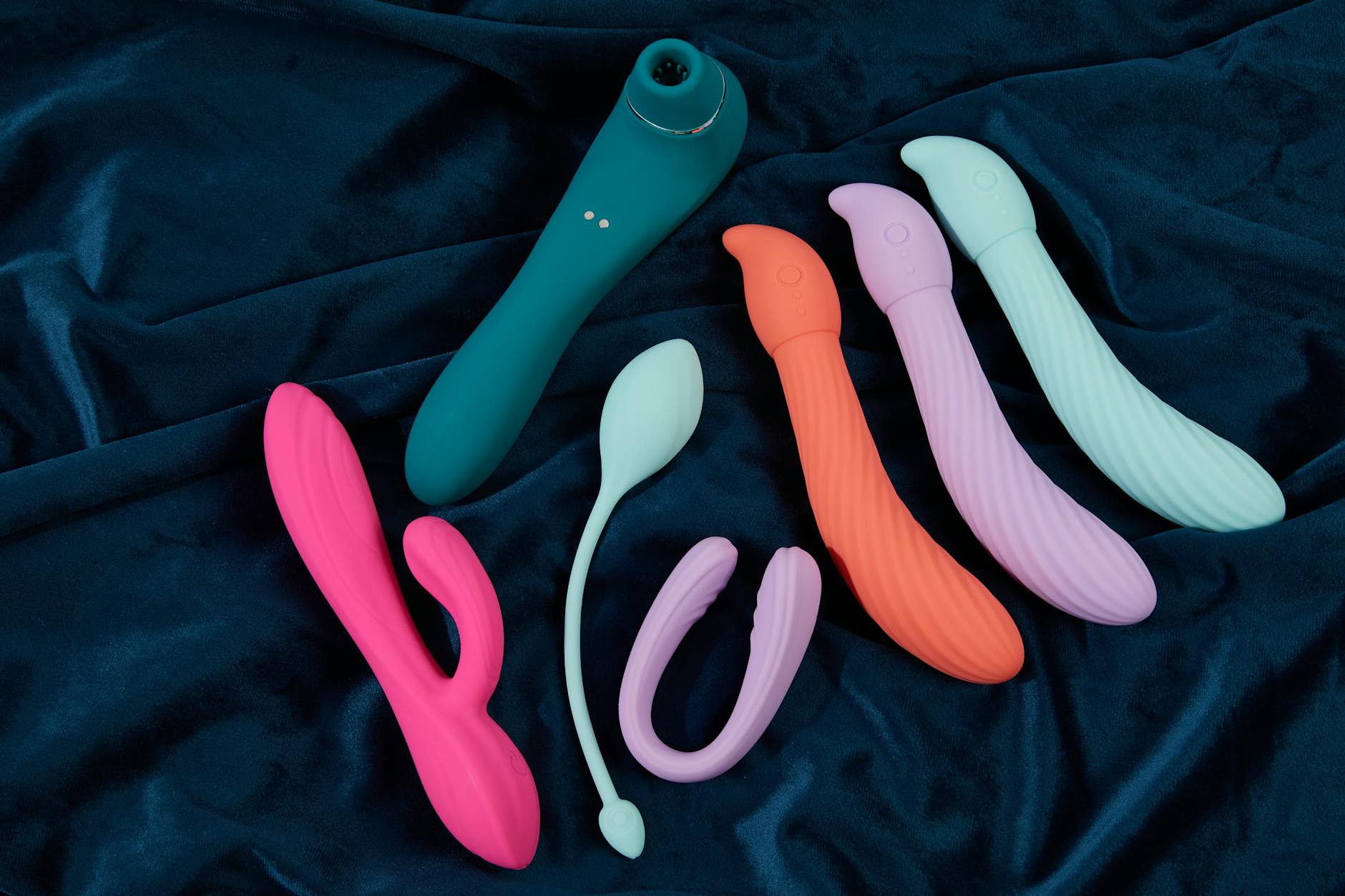
The good news is that lemon vibrators, specifically, have a particular advantage for anxious brains. The focused, predictable sensation can actually anchor you back into your body when your mind is everywhere else.
How anxiety actually blocks arousal
Let me walk through the physiology so you understand what's happening. Arousal happens in the parasympathetic nervous system. That's the rest-and-digest mode. Anxiety lives in the sympathetic system. Fight-or-flight. Those two can't run simultaneously. One shuts off the other.
When you're anxious, cortisol and adrenaline are elevated. Blood flow goes to your muscles and brain for "survival." Genital blood flow decreases. Lubrication stops. The muscles that need to relax actually tense up. The neural pathways for pleasure get deprioritized. Your brain literally can't focus on sensation because it's busy scanning for danger.
Add in the mental load of anxious thoughts. "Am I doing this right?" "Why isn't this working?" "Is my body weird?" "How long have I been at this?" Those thoughts are the problem, not your body.
Why lemon vibrators work differently for anxious minds
Traditional vibrators are great, but they require you to control the pacing, adjust intensity, and stay focused on finding the right angle. That's mental work. When your brain is already overloaded, adding technical decisions just increases the cognitive load.
Lemon clitoral vibrators work through suction and pulsing patterns. Once you turn it on and find the sensation, there's very little you need to "do." The patterns are consistent. The stimulation is predictable. That consistency is calming to an anxious nervous system.
Moreover, suction-style stimulation tends to feel more grounding. It's a contained sensation rather than vibration that travels across the entire area. That focused input helps your brain quit the threat-scanning and actually register what's happening to your body right now.
The pre-pleasure checklist: setting up your nervous system
Before you touch the lemon vibrator, you need to downregulate your nervous system. Here's what I recommend.
Start 20-30 minutes before you plan to use it. Not during. This prep work is not foreplay yet. It's nervous-system reset. Put your phone in another room or set it to do-not-disturb. Close the door. This isn't about romance. It's about permission to not be available.
Do 2-3 minutes of slow breathing. In for a count of 4, out for a count of 6. Longer exhales activate parasympathetic tone. Your brain notices this. It means "safe, no threat." This is the foundation.
Progressive muscle relaxation. Tense and release each muscle group, starting at your feet and working up. Anxious brains often carry tension without realizing it. Your pelvic floor is probably clenched. This practice teaches you what relaxation actually feels like.
Acknowledge one anxious thought and let it pass. Don't fight it. Say it out loud if that helps. "My brain is worried about tomorrow's meeting." Then actively choose to set it aside. "Right now, I'm in bed. I'm safe. My only job is to notice sensation."
Using the lemon vibrator when your mind keeps wandering
Here's the thing: your mind might still wander. That's normal and it doesn't mean you're failing.
Start on the lowest pattern setting. This is crucial. Lower intensity means less input your brain has to process, which sounds counterintuitive but is actually helpful. You're looking for the pattern you can feel without it overwhelming your nervous system.
When you feel the sensation, name it to yourself. Not sexually. Literally describe what you feel: "Pulsing rhythm," "Circular suction," "Warmth." This sounds odd, but it activates the sensory cortex of your brain and pulls your attention out of anxious thought loops.
If your mind wanders to a worry, you don't fight it. You notice it the same way. "Thought about emails." Then gently redirect. "I'm feeling the suction pattern now." Repeat as many times as needed. This is mindfulness. It's not advanced. It's just noticing and redirecting.
If a particular pattern feels boring or disconnective, move to the next one. Some patterns activate parasympathetic tone better than others. You might find pattern 3 or 4 is the one where you can actually settle. Keep exploring without judgment.
What to do when you feel yourself tensing up
Many anxious people tighten their pelvic floor without realizing it. Then when stimulation builds, the tension blocks the sensation or makes it uncomfortable. Catch this early.
Pause the vibrator for 10-15 seconds. Check in: are your shoulders hunched? Is your jaw clenched? Is your butt squeezed? Release each one deliberately. Then resume. You might need to pause multiple times. That's not failure. That's you learning.
Some people find that gentle kegel-release cycles help. Squeeze the pelvic floor for 2 seconds, then fully relax for 4. Repeat. This teaches the pelvic floor that relaxation is an option, which is particularly useful if anxiety has become your baseline state.
When a partner is involved
If you have a partner and they're in the room, the anxiety often multiplies. Performance pressure is huge. Here's what helps: tell them explicitly that you need to focus inward for 15-20 minutes. They can be present, but they're observing, not participating initially. No commentary. No "is this working?" Just presence.
Once you've reconnected with sensation on your own, then they can rejoin. But the first step is you and the lemon vibrator in neutral nervous-system space. That's not rejecting your partner. That's giving yourself the best chance of success.
Some anxious people find that having a partner's hand on their leg or arm, with zero sexual intent, is grounding. The consistent, non-threatening touch activates a different nervous-system pathway. Experiment with what feels supportive versus what feels like added pressure.
When anxiety blocks you every single time
If you're doing all of this and still hitting a wall, that's clinical anxiety territory and it deserves clinical attention. A therapist who works with somatic techniques (body-based therapy) can help you rewire the nervous-system response that's interfering. There's no shame in that. It's actually the smartest move.
Some people also find that timing matters. Certain parts of your cycle, certain times of day, or certain medications shift anxiety thresholds. Tracking when you feel most able to focus can help you pick the windows when pleasure is most accessible.
And sometimes a low-dose anxiolytic prescribed by a doctor is exactly what you need to take the edge off enough that your parasympathetic system can actually activate. That's not cheating. That's you advocating for your pleasure.
The patience part
Reconditioning your nervous system takes time. You spent months or years in a heightened state. Your brain learned that scanning for threat keeps you safe. You're asking it to do something new. That's real work.
Be gentle with yourself. One good experience with a lemon vibrator when your anxiety is quieter is a win. It's data. It means your body isn't broken. It means your nervous system can shift. Next time, you'll know what helped.
Your pleasure matters. It's not a luxury or a distraction from "real" life. It's a sign that your nervous system is functioning and that you're capable of experiencing good sensation in your own body. That's worth the effort it takes to get there.
People also ask
Can anxiety permanently affect my ability to orgasm with a lemon vibrator?
No. Anxiety changes your nervous system state, but that state is temporary and responsive to change. Once you start downregulating anxiety, your arousal capacity comes back. Many people find that after a few successful experiences with a lemon clitoral vibrator in a calm state, their brain starts to associate the device with safety and pleasure rather than performance pressure. That's a learnable shift.
Should I use the lemon vibrator when I'm already in an anxious episode?
Not usually. Trying to force pleasure during peak anxiety is like trying to sleep during a panic attack. Your nervous system is not available. Wait for the acute anxiety to settle even a little. That's not avoidance. That's strategic timing. Use the techniques I mentioned to downregulate first, then engage with the vibrator when you're in a calmer baseline.
Does using a vibrator regularly help anxiety overall?
Indirectly, yes. Regular sexual pleasure activates parasympathetic tone and releases endorphins and oxytocin. Over time, that can shift your baseline nervous-system state. But the vibrator itself isn't an anxiety treatment. What it does is give your body evidence that pleasure is accessible and that relaxation is possible. That matters for your brain's threat assessment.
What if my partner's presence always triggers anxiety even though I trust them?
That's super common, especially if you have performance anxiety or past relational trauma. Start solo. Build your confidence with the lemon vibrator alone. Once you know what pleasure feels like and you've had reliable good experiences, gradually invite your partner back in. Maybe they're in the room but not watching. Then maybe they're present and aware. Build trust with your own body first.
Can medication for anxiety affect how a lemon vibrator feels?
Some medications, particularly SSRIs, can affect sexual sensation or orgasm capacity in some people. If you're noticing a shift after starting medication, that's worth discussing with your doctor. There are often adjustments or alternatives that work better. Don't assume the medication means you're broken. It might just need tweaking.
How long does it usually take to reconnect with pleasure after anxiety?
It varies widely. Some people notice a shift in one or two calm sessions. Others need weeks. It depends on how long anxiety has been your baseline, whether trauma is involved, and how much you can consistently practice downregulation. The timeline is less important than consistency. Regular small wins matter more than waiting for a perfect moment.