
Let's name what's actually happening
You're not broken. Your desire isn't gone. But something shifted after birth, and calling it "hormones" doesn't quite cover the truth of it. Your body grew a human, delivered that human, and is now leaking fluids, aching in unfamiliar places, and hosting a newborn who needs your skin contact constantly. Of course intimacy feels foreign. It would be weird if it didn't.
Here's what nobody warns you about: the gap between "medically cleared" and "emotionally ready" can be months wide. Your OB gives you the green light at six weeks. Your partner is hopeful. Your own body feels like a borrowed thing you're still getting to know. That's the exact moment when many people think sex has to roar back to life immediately. It doesn't. And forcing it creates resentment and shame neither of you deserve.
This is where clitoral vibrators designed for sensitive tissue become genuinely transformative. Not because they make you want sex again tomorrow. But because they let you explore pleasure at your own pace, on your own terms, without pressure.
Why postpartum tissue is different
Your vulva has been through something intense. Even if you had a cesarean, hormonal changes, breastfeeding, and sleep deprivation are reshaping your genital tissue right now. Estrogen is tanked if you're nursing. Blood flow is redirected toward milk production. The pelvic floor, whether it tore during birth or not, is recovering. Your clitoris is still there and still capable of sensation. But the tissue around it is swollen, tender, and defensive.
This is not permanent. But treating it like you did before birth is a recipe for pain, numbness, and the feeling that your body has abandoned you sexually. It hasn't. It's just in recovery.
The suction technology in lemon sexual toys like the Lem is genuinely useful here because it doesn't rely on direct pressure or vibration intensity. Suction stimulates nerve endings without the friction that makes healing tissue feel raw. You can start gentle, stay in control, and stop instantly if something feels off.
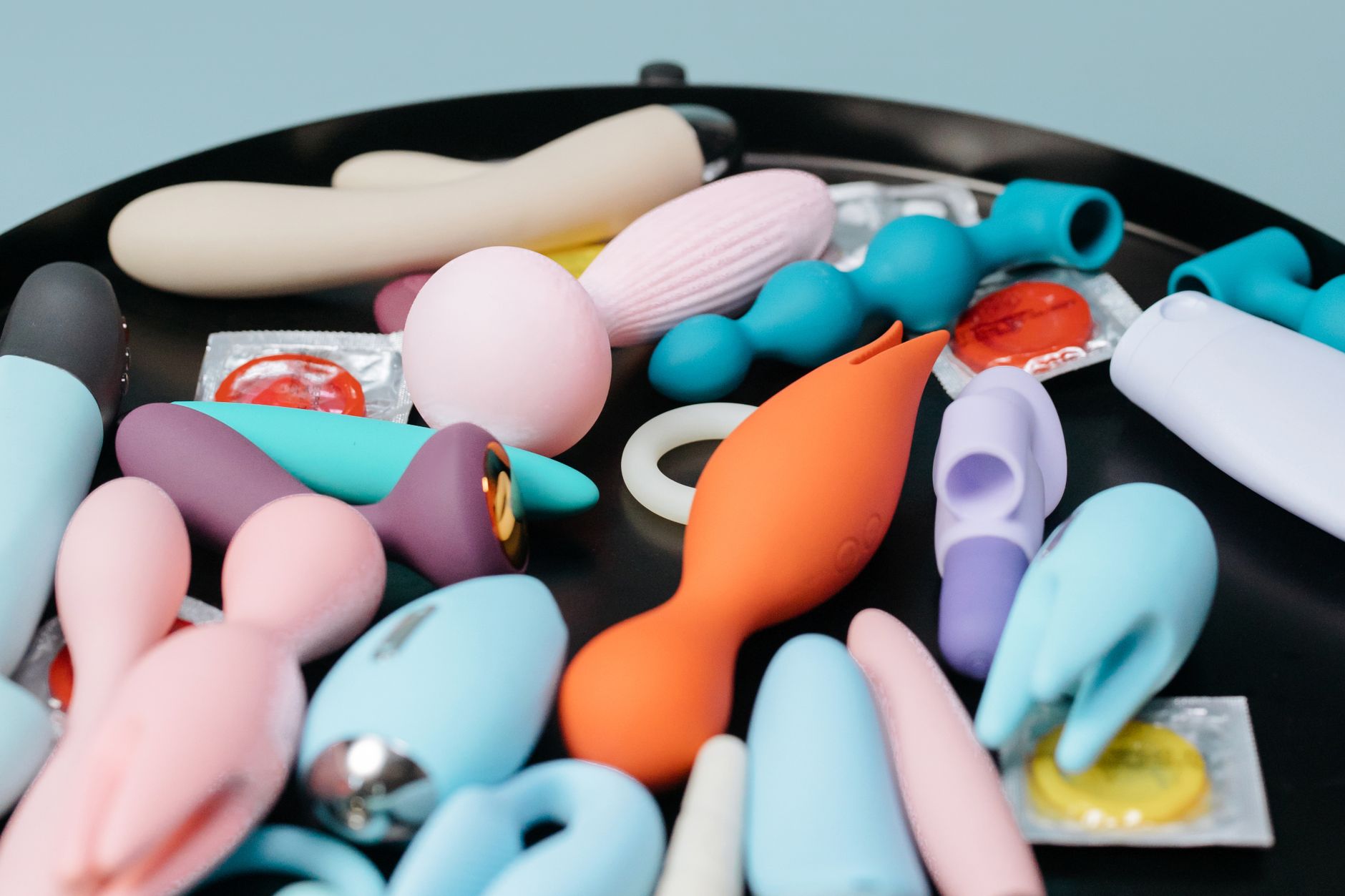
Photo by cottonbro studio on Pexels
The timeline nobody talks about
Most postpartum guides rush you from cleared-to-go straight to "normal again." That's not how bodies work. Here's a more honest map.
Weeks 1-6. Nothing happens here. You're bleeding, aching, and possibly incontinent. This is not the time to explore pleasure. Full stop.
Weeks 6-12. Medical clearance is given. You might feel ready. You might not. If you do, start with external exploration only. A lemon clitoral vibrator on the lowest setting, just touching the area without entering. Five minutes maximum. You're reintroducing your body to the concept of pleasure, not achieving orgasm.
Weeks 12-24. Your hormones are stabilizing slightly. If you're not breastfeeding, estrogen is returning. If you are, it won't for a while. Sensation might be coming back. You can extend sessions to 10-15 minutes. You might be curious about what your body still knows. That curiosity is the signal that healing is actually happening.
Six months and beyond. Some people feel fully themselves again. Others don't. Both are normal. Some describe their return to pleasure as completely new, different from before, and somehow better. Others need time to grieve the body they had. All of this is legitimate.
How to actually start
First, check in with yourself honestly. Not with your partner's hopes. Not with what you think you should want. Do you actually want this right now? If the answer is "I don't know," that's still a yes to exploration. If the answer is "not yet," that's complete and worthy.
When you're ready, here's the setup.
Choose privacy and time. Naptime, when your partner is watching the baby, when you have a locked door and zero guilt. Twenty minutes for yourself is not selfish. It's maintenance.
Use water-based lube. Postpartum tissue, especially if you're nursing, needs moisture. Even if you feel adequately lubricated, add it anyway. Your body might surprise you with response once the friction eases.
Start on the lowest setting. The Lem has multiple patterns. Begin with pattern one. You're not chasing orgasm. You're asking your body "does this feel good?" The answer might be yes, might be no, might be "I need to stop." All answers are data.
Keep it external only. Even if you've been cleared for penetration, your pelvic floor is still recovering. External clitoral stimulation is gentler and often more pleasurable anyway.
Breathe. Seriously. Postpartum bodies hold tension. Your pelvic floor is probably clenched. Slow breathing allows your nervous system to realize you're safe and can actually feel things.
Why this matters for your relationship
This isn't about getting your sex life back. It's about you discovering whether you have a sexual self right now, separate from being a mother, a partner, and a milk factory. That discovery changes everything because when you reconnect with your own pleasure, resentment softens.
Many couples find that the partner who was "medically cleared" but emotionally unavailable starts feeling desire again when they give themselves permission to explore. And the partner who was waiting softens their expectations when they understand the gap wasn't rejection. It was recovery.
If you do want to involve your partner eventually, start by showing them how you're feeling, not by jumping back into what you used to do. That texture of care is what rebuilds intimacy after birth.
What to watch for
Pain is not part of healing pleasure. If something hurts, stop. If pain persists beyond a few weeks of gentle exploration, talk to your OB. Pelvic floor physical therapy is real and helpful and not as awkward as it sounds.
Weird emotional reactions are normal. Some people cry after orgasm postpartum. Some feel nothing. Some feel flooded with connection to their body again. Your nervous system is recalibrating. Trust whatever comes up.
Desire might not roar back. For some people, especially if breastfeeding, libido stays low until weaning. That's not abnormal. That's your body protecting your resources. You can still explore pleasure without strong desire. And sometimes the exploration creates the desire.
The thing nobody tells you
Some people say their sexual response got better after birth. Not immediately, but months in. Their body learned what it was capable of. Their brain quieted down enough to actually feel things. Their pleasure became less about performance and more about presence. Is this your future? Maybe. But it's not guaranteed. And expecting it can create pressure that defeats the whole point.
What is guaranteed is this: your body hasn't abandoned you. Intimacy isn't forever foreign. And reconnecting with pleasure on your terms, at your pace, using tools designed for healing tissue, is a genuinely kind way back to yourself.
FAQ: Postpartum pleasure and lemon vibrators
When is it safe to use a clitoral vibrator after giving birth?
Most care providers clear you for external stimulation at six weeks postpartum if you had a vaginal birth with no complications. If you had a cesarean or significant tearing, ask your OB directly. Even if you're cleared medically, emotional readiness is separate. You don't need both simultaneously. Honor what your nervous system actually needs.
Can using a lemon vibrator hurt healing tissue?
Not if you're gentle and paying attention. Suction technology is actually gentler than vibration on sensitive tissue because it doesn't create the same friction that can irritate stitches or swelling. Start on the lowest setting and keep sessions short. Stop if anything feels wrong. Your body will signal you.
What if I still feel numb down there months postpartum?
Numbness after birth is common, especially after tearing or suction delivery. It usually resolves on its own within a few months. If it persists past six months, ask about pelvic floor physical therapy. A specialist can assess whether it's scar tissue, nerve changes, or just slow healing. In the meantime, consistent gentle stimulation with a lemon clitoral vibrator can help coax sensation back.
Is it okay to use a vibrator while breastfeeding?
Yes. There's no physiological reason not to. What might matter is the mental load. Breastfeeding demands constant physical access to your body. Some people find that reclaiming their body for their own pleasure, separate from feeding, feels really important. Others need time before they want additional touch. Go with what feels right.
How do I talk to my partner about reconnecting with pleasure after birth?
Start by talking about yourself, not inviting them in yet. "I'm starting to explore what my body feels like now" is different from "do you want to have sex?" The second invites performance. The first invites understanding. Once you know what you want, the conversation becomes easier because you're offering them something real, not managing their expectations.
Can using lemon sexual toys help with postpartum depression or anxiety?
Self-pleasure can be grounding and help regulate your nervous system. Orgasms release oxytocin and dopamine, which genuinely help with mood. But it's not a substitute for professional support if you're struggling. If you have symptoms of postpartum mood issues, talk to your provider. Pleasure is a tool, not a cure. You might need both.
You're not behind
Your body did something extraordinary. It's allowed to take time coming back to pleasure. And when you're ready, even if that's a year or three from now, your body remembers how to feel good. You just need permission to find out again, at your own pace, on your own terms. That's what lemon vibrators are for. Not to rush the process. Just to make it gentler.
If you have questions or want to explore this more, reach out through our contact page. You're not alone in this, and you don't have to figure it out in silence.