
Let's talk about what actually happens
Hormonal changes affect pleasure. Full stop. Whether you're navigating birth control adjustments, shifting into perimenopause, recovering from postpartum, or managing medication side effects, your body's sexual response can feel genuinely different. The frustrating part is that no one tells you what's real, what's temporary, and what you can actually do about it.
Here's what I see in my practice: people assume their pleasure is broken when really it's just recalibrated. And more often than not, the right tool and a bit of patience rewires the whole experience in ways that feel better than before.
What hormonal shifts actually change
When estrogen fluctuates, tissue thickness and blood flow to the genitals shift. Lubrication may decrease or take longer to arrive. Arousal itself might feel slower to build. Testosterone levels also change, and yes, testosterone matters hugely for desire regardless of your body type. The clitoral nerve endings don't disappear, though, and neither does your brain's capacity for pleasure.
What's wild is that many of my clients report their most intense orgasms happen after hormonal transitions, not before. This isn't rare. It's actually pretty common when you have the right setup.
The key difference: you're not fighting your body anymore. You're working with it.
Why clitoral vibrators become more valuable post-shift
When tissue becomes thinner or sensation feels muted, direct friction alone often feels either too intense or not enough. This is where the genius of suction-based lemon vibrators comes in. Instead of relying on the kind of mechanical pressure that can feel sharp or uncomfortable, suction stimulates the entire clitoral network without the same skin-to-skin friction.
Think of it like this: friction is a two-dimensional sensation. Suction activates nerves in a three-dimensional way. That shift matters enormously when your tissue is more delicate or your nerve response is slower to activate.
Adjusting your approach with lemon clitoral vibrators
Start lower on the intensity scale. Your body isn't weaker. It's just responding to a different chemical environment. If you're used to jumping straight to pattern seven, begin at one or two and let your body signal what it needs. This takes the pressure off and often paradoxically leads to faster, deeper orgasms because you're not white-knuckling your way there.
Give arousal more runway. Budget 20 to 30 minutes instead of ten. This isn't about inefficiency. Slower arousal often builds into something richer. Historically, we've treated arousal like a light switch when it's actually more like a dimmer. After hormonal changes, the dimmer is just slower. That's it.
Lubrication is not failure. Water-based lube paired with your lemon vibrator isn't a crutch. It's just smart engineering. Thin tissue benefits from glide. Thicker tissue does too. Use it liberally and reapply if sensation drops.
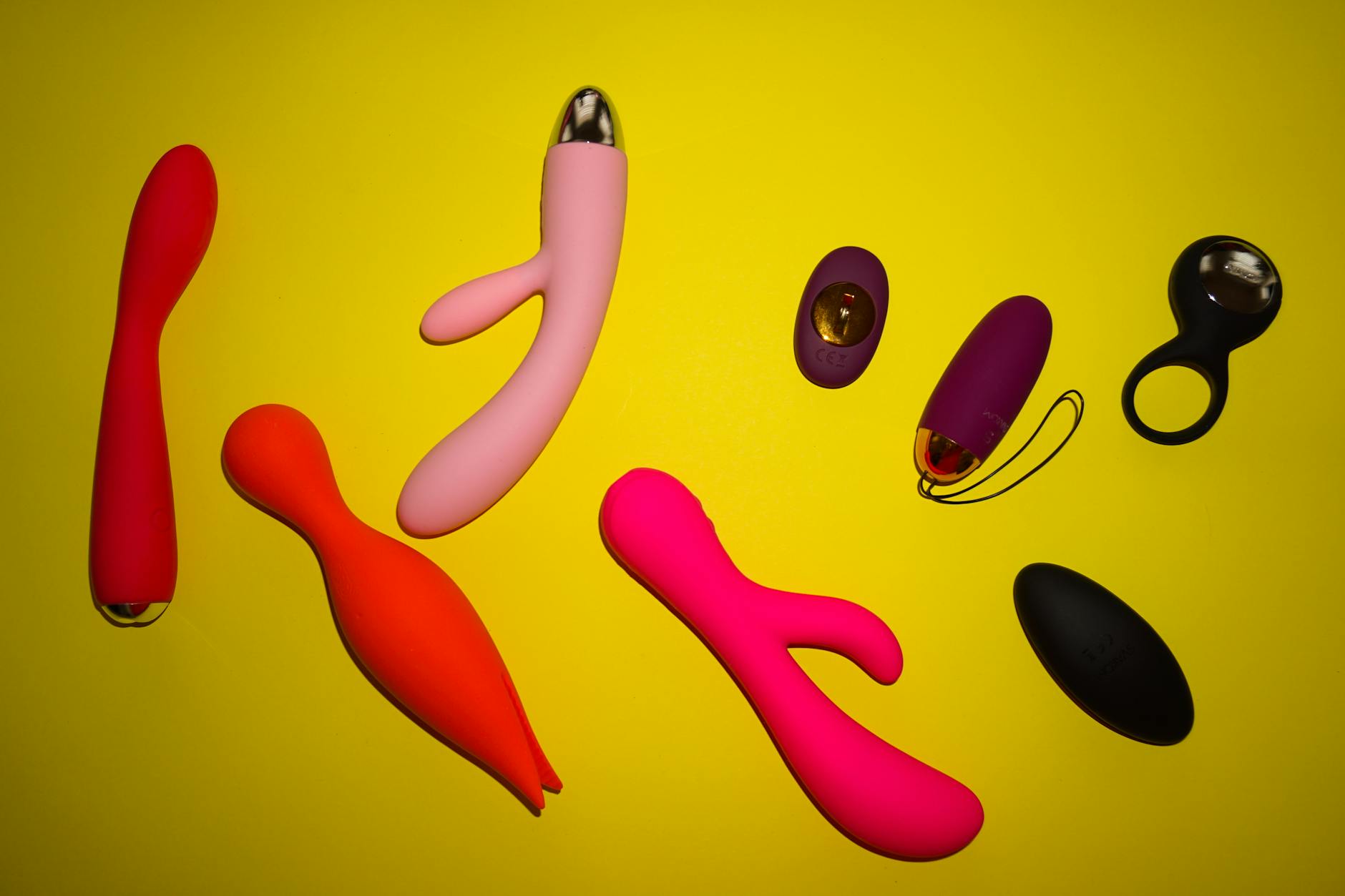
Photo by DRT.fm on Pexels
The pelvic floor piece that changes everything
Hormonal changes also affect your pelvic floor. Estrogen loss can tighten it involuntarily, which makes sensation feel blocked rather than enhanced. At the same time, that same loss can reduce the tone and support you're used to.
The counterintuitive fix: learn to relax it fully. Before you use your lemon vibrator, spend a minute breathing into your pelvic floor like you're gently releasing a held muscle. Drop your shoulders, soften your jaw, and imagine your pelvic floor softening on the exhale. This single shift often makes the difference between sensation feeling stuck and sensation flowing freely.
Kegels still have their place, but they're not the whole story. You need the release as much as the squeeze.
Navigating hormonal shifts in a partnership
If you're in a relationship, the most important conversation you can have is a simple one: separate your body's shift from your relationship's health. "My arousal is responding differently" is not "I'm less attracted to you." These are completely different problems that often get confused.
Using a lemon vibrator during partnered sex doesn't mean penetration isn't happening or doesn't feel good. It means you're directing your own pleasure. Many couples find that one partner using a clitoral vibrator during sex actually increases connection because the receiving partner gets to focus on sensation rather than performance.
When to check in with a medical provider
Pain during sex, or if arousal and orgasm have completely flatlined for months, isn't something to tough out. A doctor who specializes in sexual health can rule out hormonal dips that therapy can't fix. Topical estrogen creams or even systemic hormone support can be genuinely transformative if that's what's happening for you.
Likewise, if you're months post-hormonal change and sensation still feels muted despite trying different approaches, talk to someone. Sometimes your body needs chemical support alongside physical technique.
Making peace with the new version
Hormonal changes are weird because they're simultaneously completely normal and deeply personal. Your body hasn't betrayed you. It's just operating under different instructions. The orgasms you have access to now might feel different, but different isn't lesser.
Many people I work with tell me that learning to navigate pleasure post-shift actually taught them more about their own bodies than they learned in decades before. Because you can't coast on autopilot anymore. You have to be present, attentive, and honest about what's working. And that presence, it turns out, is where the best pleasure lives.
FAQ: Hormonal changes and pleasure
How long does it take to adjust after a hormonal shift?
Three to six months is typical for your nervous system to recalibrate. This isn't a hard timeline, though. Some people feel the shift immediately, others take longer. Be patient with your body. In the meantime, a lemon clitoral vibrator can help you map new sensation patterns while your hormones stabilize.
Can birth control changes affect orgasm intensity?
Completely. Different formulations affect dopamine and serotonin differently, which both feed into arousal and orgasm. If you switched to a new pill or IUD recently and sensation shifted, that's real. It might settle down in a few months, or you might need to adjust your contraception. Both are legitimate fixes.
Is it normal to need more stimulation after hormonal changes?
Yes. This doesn't mean your body is broken. It means your nerve response is operating at a different threshold. A lemon vibrator's suction mechanism is often more efficient at reaching that threshold than manual stimulation alone, especially when tissue is more delicate.
Should I use a vibrator every time, or is that dependency?
Neither. Using a tool for pleasure isn't dependency. It's just physics. If a vibrator helps you reach orgasm more easily and pleasurably, use it as often as you want. Your body doesn't become "addicted." That's a myth based on outdated thinking about female pleasure.
What if my partner feels threatened by a vibrator after my hormonal shift?
That's worth a conversation, not a sacrifice. If you're using a vibrator because your body genuinely needs it to access pleasure, that's about your body, not about your partner. Frame it that way. Many partners actually prefer knowing you can reach orgasm than watching you struggle. If the threat persists, that might be pointing to a deeper relationship conversation worth having with a therapist.
How do I know if my hormonal changes need medical attention?
Pain during sex, complete loss of desire for months, or orgasm that's become impossible despite trying multiple approaches, all of those warrant a checkup. Hormonal changes are normal, but they shouldn't make sex painful or completely inaccessible. A good doctor can help sort out whether it's physiological.
The real story
Hormonal changes reshape pleasure. They don't end it. Your body isn't broken, and you're not getting old in the way the culture tells you to fear. You're just learning a new version of what works. That version, with the right tools and patience, is often richer and more deliberate than what came before. A lemon vibrator paired with honest attention to your body often turns what feels like loss into something that feels like discovery.
Ready to explore what works for your body right now? Reach out and let's talk.