How to Use Lemon Vibrators When Aging Affects Your Pleasure Response
Let's talk about what actually changes
Here's the thing nobody says directly: pleasure shifts as you age. Not disappears. Shifts. The sensitivity of your clitoris doesn't vanish, but the way it wakes up does. Arousal takes longer. Orgasms sometimes feel different. And that's not a flaw in your body. It's how aging works, and it's actually workable once you know what you're dealing with.
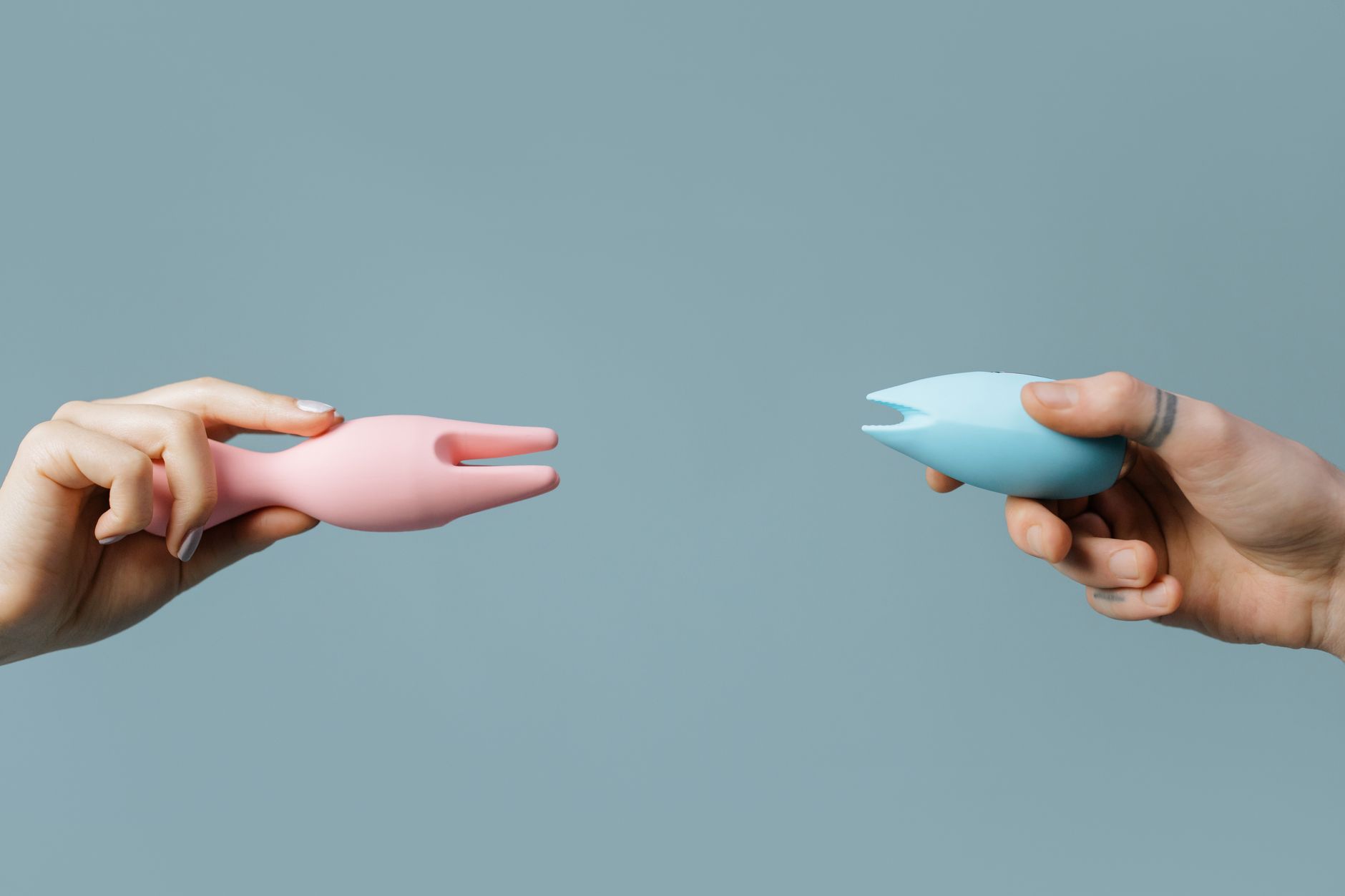
I've worked with clients across their 40s, 50s, 60s, and beyond. The ones who stay sexually fulfilled aren't the ones fighting these changes. They're the ones who adjust their approach. That's where lemon vibrators come in. These clitoral vibrators work differently than standard toys because they use suction and pulse patterns that adapt brilliantly to aging bodies.
Let me walk you through what happens physiologically, and then how to use lemon vibrators to match where your body is right now.
What happens to sensitivity and arousal speed
Your clitoris doesn't lose nerve endings as you age. That's a myth. What does change is blood flow and the speed of arousal. It takes longer for blood to engorge the clitoral tissue. Where you might have felt ready in five minutes at thirty, you might need fifteen or twenty minutes now. That's not dysfunction. That's your nervous system shifting.
The second thing that changes is tissue thickness. With drops in estrogen over time, the skin around and on the clitoris can thin slightly. This means direct vibration sometimes feels too intense or even uncomfortable. This is where lemon sexual toys have an advantage. They use gentle suction and pulsing patterns instead of pure vibration. You get stimulation without the harshness of a buzzing surface.
Third, sensation sensitivity does change. Your clitoris is less reactive to light touch. You need more consistent, slightly deeper pressure. Most people compensate by reaching for stronger vibrators. That works, but it's blunt. A better move is to use a device like the Lem vibrator that creates a seal and builds sensation gradually, letting you control intensity through patterns rather than just power.
How arousal timing shifts and why it matters
When arousal slows down, the biggest mistake people make is rushing. They think "I'm taking too long, something's wrong." You're not broken. Your body is asking for more time. This isn't a problem. It's information.
If you're working with a partner, communicate this directly. "I need about 20 minutes of foreplay now" is not a complaint. It's a preference. Some partners actually love this because it extends intimacy instead of sprinting to a finish line.
For solo pleasure with a lemon clitoral vibrator, the shift means budgeting time differently. Don't jump straight to your device at maximum intensity. Start with gentler patterns. Let your body build arousal naturally. The pulsing patterns on clitoral vibrators are perfect for this because they mirror the way your body actually wakes up sexually. Gradual. Rhythmic. Inevitable.
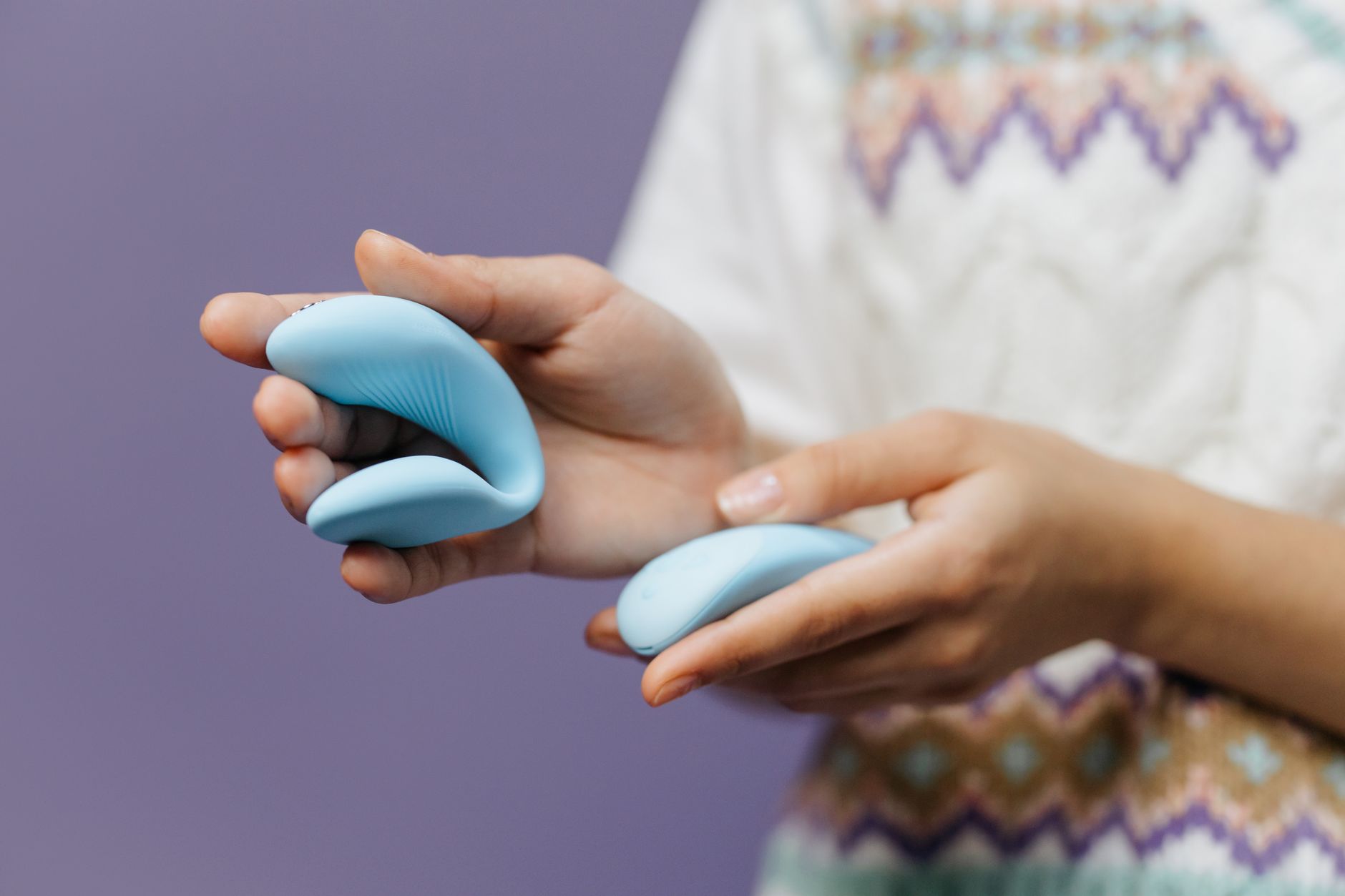 Photo by cottonbro studio on Pexels
When pressure preferences change
Many people in their 40s and beyond find that their clitoris has become more sensitive to direct pressure. Not in a "good" way always. Sometimes it feels raw or overstimulated quickly. Other people find the opposite. They need more pressure than before. Both are normal.
Here's how to figure out your pressure baseline right now. Start with pattern one on a lemon vibrator. Most clitoral vibrators have five to seven intensity levels. Don't assume you need level seven just because you used to. Your baseline might have shifted. Use what feels good, not what you think should feel good.
If you find patterns feel monotonous, combine two things. First, alternate between patterns. Move from rhythm one to rhythm three to rhythm two. Your body responds to variation. Second, adjust your positioning slightly. Angle the toy differently. Sometimes a millimeter changes everything. This is low-stakes experimentation. You're learning your body again, which is actually kind of interesting.
The orgasm question
Orgasms don't get weaker with age. I need to be clear about this because it's the biggest myth people believe. What changes is the lead-up time and sometimes the sensation quality. Some people describe orgasms feeling more subtle. Others say they're more intense. Both happen. Neither is worse.
The key thing: if orgasms are harder to reach now, you're likely dealing with one or more of three things. One, arousal time. You need more build-up. Two, the device isn't matching your current sensitivity. Three, mental load. Stress, relationship friction, health concerns, work pressure. These pile up as you age and they genuinely affect blood flow and neural responsiveness.
With lemon vibrators, the advantage is the pulsing rhythm. Because it mimics the actual muscular contractions that happen during arousal, it helps your body remember what orgasm feels like. You're not just vibrating. You're creating a pattern that your nervous system recognizes.
How to modify your technique for aging pleasure
Four practical adjustments that work.
Start with longer warm-up. Budget twenty to thirty minutes for solo pleasure, not ten. Use the first ten minutes without the vibrator. Touch yourself. Let arousal build naturally. Then introduce your lemon vibrator at low-medium intensity. You're not rushing to the destination.
Use pulsing patterns more than pure vibration. If your toy has steady and pulsing modes, bias toward pulsing. It's gentler on aging tissue and it actually works better with natural arousal patterns. Your body pulses. Your toy should too.
Angle matters more now. You might have used vibrators the same way for twenty years. Try different angles. Try indirect stimulation. Some people find that angling toward the pubic bone works better than direct vertical approach. Experiment.
Lubrication is your friend. Not because you're broken. Because thinner tissue benefits from it. Water-based lube works with any toy and it makes everything feel less intense and more pleasurable. It also reduces any irritation from longer sessions.
When pleasure changes point to something medical
Sometimes aging pleasure shifts aren't just normal aging. They can be signs of something worth addressing. Pain during or after sex should never be normal. That's not age. That's genitourinary syndrome or pelvic floor tension or sometimes infection. All very treatable.
Loss of desire that feels sudden or complete is different from "I'm interested but it takes longer now." Sudden loss can point to medication side effects, thyroid shifts, or relationship issues. Worth checking in with your doctor or a therapist.
The other thing: if you've had major life changes, loss, or stress, pleasure often flatlines temporarily. Your body is responding appropriately to what's happening in your life. This usually returns when the stressor eases. How to Use Lemon Vibrators to Rebuild Intimacy With a New Partner After Divorce covers some of this for people navigating major relationship shifts.
None of these things mean your pleasure capacity is gone. They mean something needs attention.
The role of sensation variety
Your body adapts to the same stimulus over time. This is actually neurologically normal. It's called habituation. If you use the same vibrator the same way for months, sensation fades. Not because you're broken. Because your nervous system stopped paying attention.
The fix is mixing it up. Use different patterns. Use it in different positions. Sometimes skip it for a week and come back. Try combining devices if you have them. The novelty resets your nervous system's attention.
This is also why having a partner switch things up helps. Novel stimulation is inherently more engaging. If you've been with the same partner for years, them trying a toy can feel genuinely new. It's not about the device. It's about the variation.
Mental and emotional shifts that affect pleasure
Physical sensation is only part of the equation. Aging brings mental changes that absolutely affect sexual response. Stress compounds differently now. You might have less capacity to compartmentalize work stress or family stuff. Aging bodies also bring identity shifts. Maybe you're moving through grief about your changing body, or maybe you're finally feeling comfortable in it. Both affect desire.
One thing I notice with clients: by the time you're in your 50s or 60s, if you've spent decades accommodating other people's pleasure over your own, you might not even know what you actually want. That recovery takes time and usually some direct exploration. How to Use Lemon Vibrators When You Are Building Confidence After Years of Faking Orgasms speaks directly to this.
The practical piece: give yourself permission to be a beginner again. You're not the same person who learned sexuality twenty years ago. You get to explore who you are now.
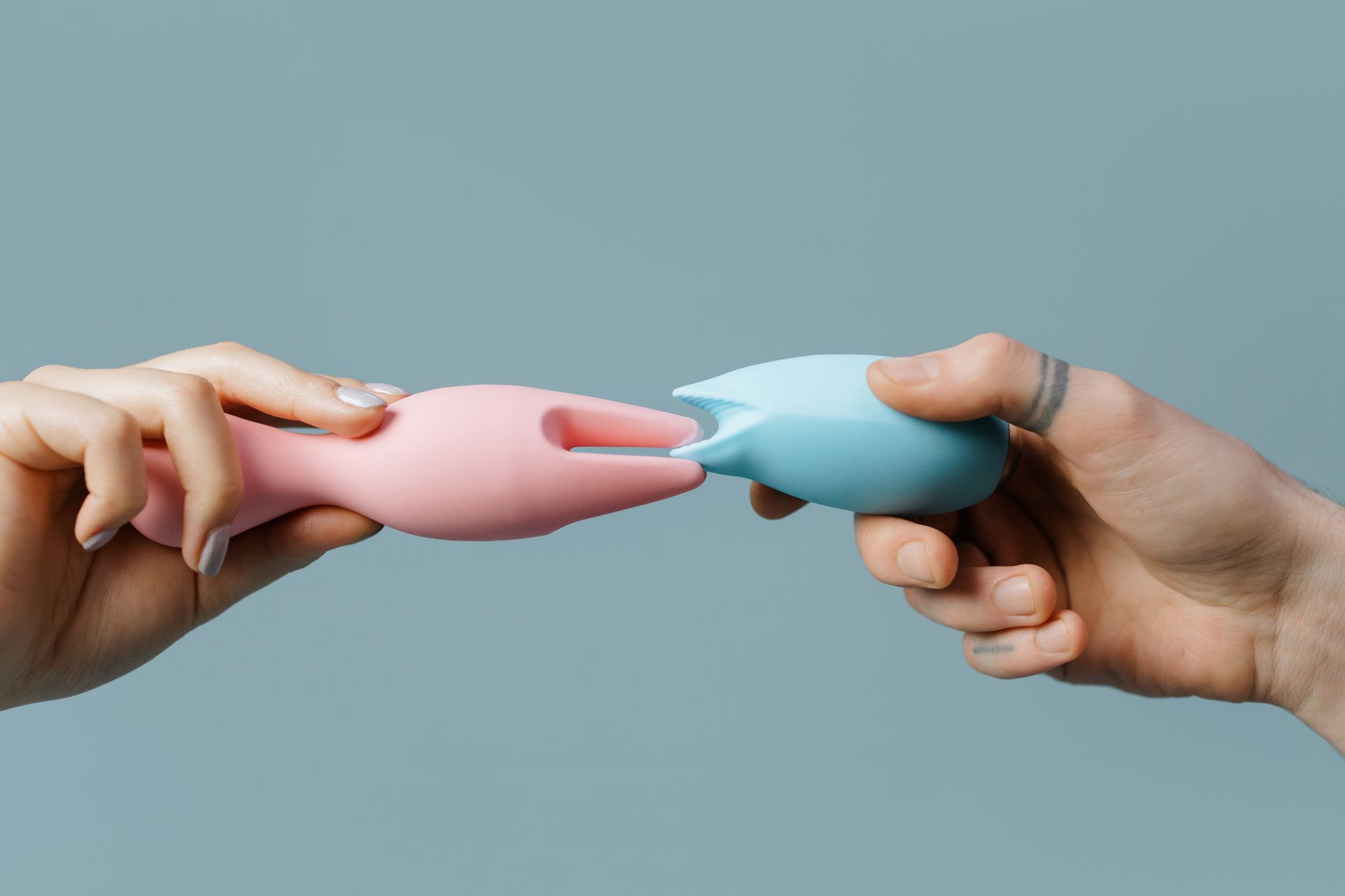 Photo by cottonbro studio on Pexels
When partnered sex changes with aging
If you have a partner, their body is aging too. Their arousal time shifts. Erectile function might change. Lubrication needs might shift. You're both different now. That's worth naming directly.
The conversation isn't "my pleasure isn't working." It's "we both need something different now. Let's figure it out together." Introducing a lemon clitoral vibrator into partnered sex works beautifully when you frame it as adaptation, not compensation. You're not fixing a problem. You're upgrading to what works for your current bodies.
There's also the thing where couples in their 40s and beyond often have more permission for experimentation than they did at twenty. Kids are older. Social pressure feels lighter. You might actually want more adventure now than you did when you were younger.
FAQ: Aging, pleasure, and lemon vibrators
Is it normal for orgasms to feel different after fifty?
Completely normal. Some feel more subtle. Some feel more intense. Some take longer to build. None of these mean your capacity for pleasure is gone. They mean your body is responding to hormonal changes, usually lower estrogen and androgen levels. If orgasms have disappeared entirely and it's sudden, that's worth discussing with a doctor. But variation in sensation is age-typical.
Do I need a stronger vibrator as I age?
Not necessarily. You might need different, not stronger. Lemon vibrators with pulsing patterns often work better for aging bodies than pure vibration because they're gentler on tissue and work with your arousal pattern rather than against it. If steady vibration felt good before, experiment with pulsing. You might find it's more satisfying now.
How long should arousal take at my age?
There's no universal timeline. For some people in their 40s, five minutes. For others, twenty-five minutes. The only timeline that matters is yours. If arousal is slower than you'd like, budget more time. If it's fast, great. What matters is that it feels sustainable for your life and your partnership.
Can medications affect pleasure response?
Yes. Blood pressure medications, antidepressants, hormone therapies, and others can shift sensation or arousal speed. If you started a new medication and pleasure changed, mention it to your doctor. Often they can adjust dose or timing or switch to something that doesn't have that side effect. Don't just live with it.
What if my partner and I have different aging experiences?
Most couples do. You might need more time while they need less. You might have pain while they don't. You might want more frequency while they want less. These are conversations, not problems. Specific: "My body needs X now" is clearer than generic "something's changed." Then problem-solve together. That's where lemon vibrators help because they give you a tool you both can be involved with.
Is aging pleasure really supposed to work differently or am I just broken?
You're not broken. This is normal aging. Your clitoris still works. Nerve endings are still there. Blood flow is still possible. What changes is speed, sometimes intensity preference, and sensitivity to certain types of stimulation. That's universal. That's not a flaw. That's how aging bodies function, and once you accept it, you can work with it instead of against it.
The bottom line
Aging changes how pleasure works, not whether it works. Your body at fifty or sixty is different from your body at thirty. It's not worse. It's different. Different isn't inherently a problem. It's just different.
Lemon vibrators, particularly clitoral vibrators with pulsing patterns, work well with aging bodies because they're gentle on tissue, they build sensation gradually, and they give you control without relying on pure vibration intensity. You get to dial in what actually feels good right now.
The bigger shift is permission. Permission to need more time. Permission to change what you want. Permission to explore yourself like you're a beginner, because in some ways, you are. Your body is new. Getting to know it again is actually kind of fun.
If you want to talk through how this shows up in your specific situation, we're here. Not everything needs a clinical answer. Sometimes it just needs a conversation.