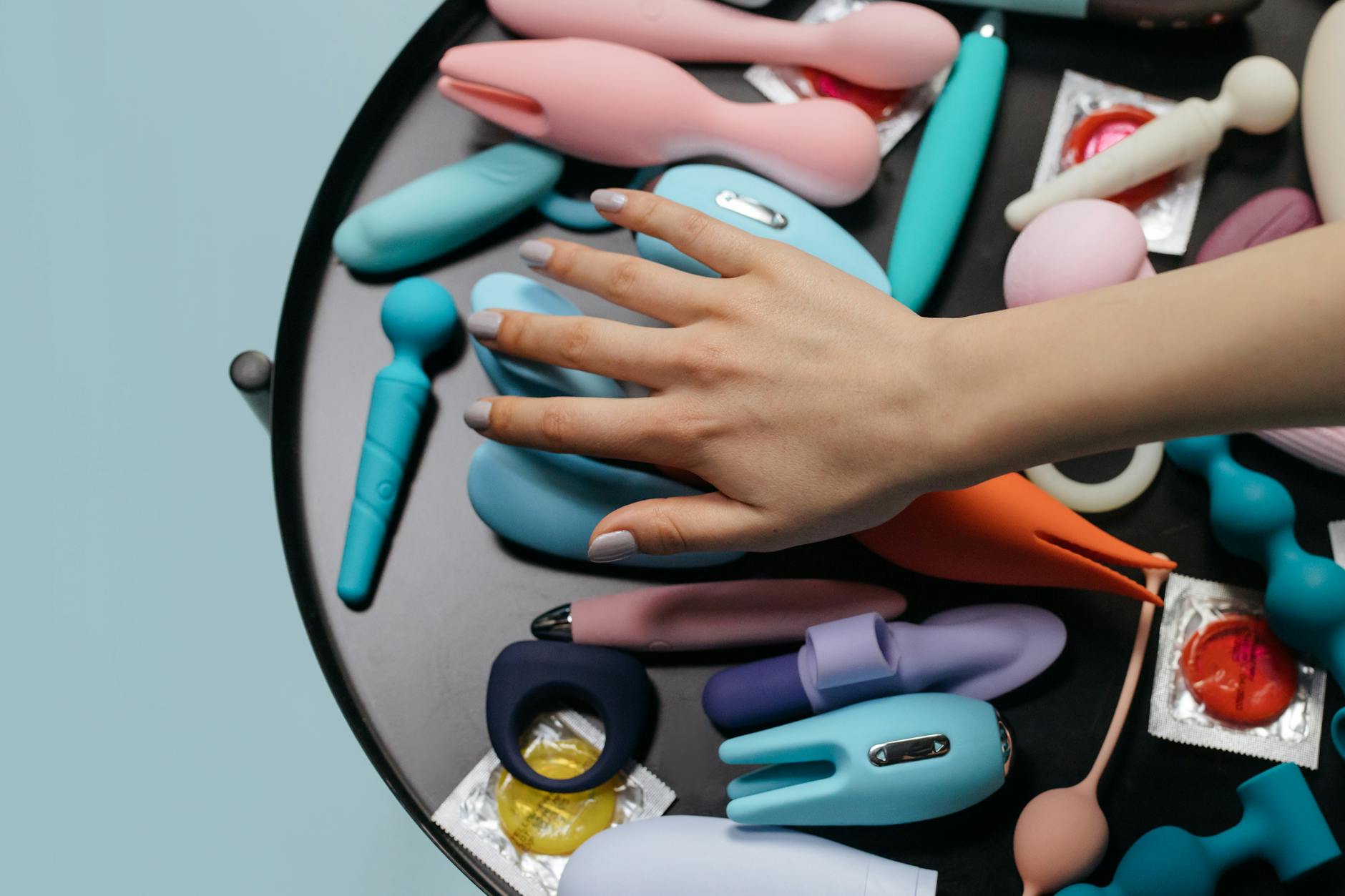
How to Use Lemon Vibrators When Hormone Levels Shift Unexpectedly
Here's the thing: you know your body. And then one day you don't. Your usual lemon vibrator settings feel too intense, or not intense enough. Arousal takes twice as long to build. Orgasms feel flatter, or weirdly concentrated in one spot instead of across your whole pelvic floor. You start wondering if something's broken.
It's not. Your hormones just shifted. And that's way more common than anyone admits.
Hormonal changes aren't just about menopause or major life transitions. They happen mid-cycle, after starting or stopping birth control, during perimenopause, with thyroid changes, after childbirth, or from medications that silently reshape how your nervous system responds to touch. The clitoris is exquisitely hormone-sensitive. Estrogen affects tissue thickness and blood flow. Testosterone drives actual desire. Progesterone can make everything feel muted. When those levels change, even slightly, your pleasure response reorganizes.
The good news: you don't have to abandon lemon vibrators or wait it out. You adapt. And honestly, that's where the real skill lives.
What hormonal shifts actually do to sensation
Let's separate myth from mechanism. When hormones swing, three things change in the clitoris and surrounding tissue.
First, blood flow. Estrogen and testosterone both increase vasocongestion, which is the fancy word for the blood rush that makes your clitoris swell and darken during arousal. Lower estrogen means less rush, less visible swelling, and a longer warm-up time before you feel ready. This doesn't mean you can't get there. It means the on-ramp is longer.
Second, nerve sensitivity. The clitoris has 8,000 nerve endings, and hormones regulate how easily they fire. Lower estrogen can make the tissue more fragile and sometimes hypersensitive to rough friction. Higher progesterone can dull everything, making light touch feel like nothing at all. So your favorite intensity might suddenly feel either unbearable or invisible.
Third, lubrication and tissue thickness. Estrogen keeps vaginal and clitoral tissue plump and well-lubricated. Without it, tissue thins, dries, and loses elasticity. This matters for lemon vibrators because suction-based stimulation depends partly on intact tissue to create a seal. Thinner tissue sometimes needs more careful positioning or a drop of water-based lubricant to work optimally.
Here's what doesn't change: the neural capacity for pleasure. Your brain still makes oxytocin. Your clitoris still has 8,000 nerve endings. You can still orgasm, often intensely. The wiring is intact. The settings just need tweaking.
How to adjust your lemon vibrator practice when arousal slows down
If arousal used to happen in five minutes and now it takes twenty, you're experiencing the classic long-warm-up effect. This is the most common shift, and it's the most fixable.
Start by doubling your warm-up time and halving your intensity. If you used to jump straight to pattern 4 on your lemon clitoral vibrator, begin with pattern 1 or 2 for the first five to ten minutes. Let blood flow build gradually. The tissue needs time to engorge and the nerves need time to wake up.
Use your hands first. Spend three to five minutes on external touch, teasing, or indirect stimulation before you reach for the lemon vibrator at all. This primes the nervous system. It tells your body that pleasure is coming. Many people skip this step because arousal used to happen instantly, but now it's the difference between frustration and a genuinely good experience.
Add a tiny bit of water-based lubricant to the opening of the suction cup, not inside it. This creates a better seal and reduces any friction that might feel raw on thinner tissue. Even if you've never needed lube before, it's worth trying now. It's not a sign of malfunction. It's a tool for easier sensation.
Set a timer for at least fifteen minutes of toy play, no goal of orgasm required. This removes the performance pressure that so often hijacks the experience when things feel uncertain. Explore different patterns. Linger on the ones that feel good. Let sensation build at its own pace. Orgasm might come, or you might just feel deeply relaxed and satisfied. Both are wins.
Recalibrating intensity when familiar patterns feel wrong
Sometimes the opposite happens: everything suddenly feels too intense. Patterns you loved now feel overwhelming or slightly painful. Or the opposite. Light touch that used to feel amazing now registers as almost nothing.
If your usual settings suddenly feel too strong, move down two levels instead of one. Pattern 3 becomes pattern 1. Give it at least three full minutes before adjusting. Intensity works better in increments when sensation has changed. Your nervous system needs time to recalibrate and tell you what actually feels good now.
If everything feels numb or muted, the instinct is usually to crank up intensity. Don't. Instead, try pulse patterns instead of continuous vibration. Many lemon vibrators have pulse options that feel more novel to desensitized nerves. Or experiment with angling the suction cup slightly differently, changing the position of your body, or alternating between the toy and hand stimulation every few minutes. Novelty itself can wake up dulled sensation.
One more thing: if numbness or muted sensation happened suddenly and doesn't improve in a week or two of adjusted play, check in with your doctor. It can signal medication side effects, thyroid changes, or vitamin deficiencies that are worth investigating.
Timing matters more than you think
Hormonal sensitivity isn't random. It follows patterns, even when you think it doesn't.
If you have a menstrual cycle, arousal typically peaks around ovulation when estrogen and testosterone are highest. That's when a more intense lemon vibrator experience might feel amazing. During the luteal phase, especially the few days before your period, progesterone climbs and sensitivity often drops. This is when you might prefer longer warm-up, lighter initial touch, or shorter sessions that feel satisfying without demanding extended effort.
If you're on hormonal birth control, the rhythm is flatter. But it's not gone. Many people still notice slight sensitivity shifts week to week, or find that their body responds differently on certain days. Track it for two months. You'll see your own pattern. Then you can plan accordingly. Date night during your high-sensitivity window. Solo exploration during lower-sensitivity weeks with adjusted expectations.
These aren't rules. They're information. Use it to set yourself up for pleasure instead of fighting your body's actual needs.
When to consider deeper exploration
If hormonal shifts are mild, the adaptations above usually work within a few weeks. But sometimes the change feels bigger. Arousal completely flatlines. Orgasms disappeared. Everything feels numb despite trying different approaches.
That's the moment to talk to someone. A good gynecologist, particularly one trained in sexual medicine, can check whether something like low testosterone, thyroid dysfunction, or medication side effects is at play. Many of these are completely treatable. Thyroid adjustment, testosterone therapy, or a different medication might be exactly what you need. And alongside that, lemon vibrators still play a role. They keep sensation alive and keep you connected to your own pleasure while medical stuff gets sorted.
You're not overreacting by getting checked out. Pleasure is part of health. It deserves the same attention you'd give any other body system.
The long view
Hormones shift many times across your life. Birth control changes. Perimenopause arrives. Medications adjust. Stress levels rise and fall. Each of those moments your body reorganizes how it experiences sensation. This doesn't mean pleasure goes away. It means you learn to listen, adapt, and stay curious.
The people who have the best long-term pleasure lives aren't the ones with the most stable hormones. They're the ones who learned to pay attention, tweak their approach, and trust that their body still works, just differently than before. That skill, built through dozens of small adjustments with your favorite lemon clitoral vibrator, becomes the foundation for pleasure across your entire life.
Your body's not broken. You're just getting smarter about how to work with it.
FAQ
Can hormonal shifts make my lemon vibrator feel painful?
Yes, absolutely. If estrogen drops, tissue can thin and become more sensitive to friction. That same vibrator pattern that felt perfect last month can feel abrasive now. Water-based lubricant usually helps immediately. Try using a tiny amount inside the suction cup to reduce friction. If pain persists, move to a gentler pattern or shorter sessions. Persistent pain during or after toy use is worth mentioning to your doctor. It can signal tissue changes that sometimes need topical treatment.
How long does it usually take to adjust when hormones shift?
Most people notice improvement in their adapted routine within one to three weeks. Your nervous system learns new settings pretty quickly. If you're still struggling after four weeks of consistent adjusted play, that's when to check in with a healthcare provider. Sometimes hormonal shifts signal something that needs medical attention, not just behavioral adjustment.
Does birth control change how lemon vibrators feel?
Completely. Hormonal birth control creates a steady hormone level, which many people experience as flattened arousal and pleasure sensation compared to their natural cycle. If you switch birth control, you might notice your lemon vibrator sweet spot changes. If you go off birth control after years on it, expect a few weeks of recalibration as your natural cycle wakes back up. This is totally normal and temporary.
Is it normal for intensity preferences to change month to month?
Very normal. Cyclical hormone changes mean your sensitivity naturally fluctuates. You might love pattern 5 during your fertile window and prefer pattern 2 during your luteal phase. Track these shifts for two months and you'll see your own rhythm. Then use that information to set yourself up for pleasure at different times.
What if numbness started after I began a new medication?
Mention it to your prescribing doctor. A lot of medications, especially SSRIs, antipsychotics, and blood pressure drugs, can affect sexual sensation. Sometimes switching to a different medication or adjusting timing solves it. Sometimes you need to be more intentional with warm-up and toy selection. Either way, your doctor needs to know. Pleasure matters enough to advocate for.
Can hormonal shifts affect orgasm intensity or the sensation of orgasm itself?
Yes. Lower estrogen sometimes makes orgasms feel more localized instead of full-body. Higher progesterone can make them feel less intense. This is temporary and adjusts when hormones stabilize again. In the meantime, experimenting with different lemon vibrator patterns, positioning, or combining toy use with hand stimulation can help you find what feels satisfying right now. The capacity for orgasm is still there. The texture just changes sometimes.