Here's what stress actually does to arousal
Let's be real. You already know stress tanks libido. What's less talked about is how stress doesn't just lower desire. It disconnects you from sensation itself. Your body is still capable. Your genitals still have nerve endings. But something between your brain and your pelvis goes offline, and suddenly touch that would normally feel electric feels muted, distant, like you're experiencing it through a wall.
This is not a sign your pleasure is broken. It's a sign your nervous system is running on survival mode. Cortisol (stress hormone) and adrenaline are flooding your body, telling it to stay alert, stay ready, stay defended. Arousal requires the opposite. It requires softening, trust, and the ability to sink into sensation. Stress makes that impossible.
The good news. You can reset this.
Why lemon vibrators work when you feel numb
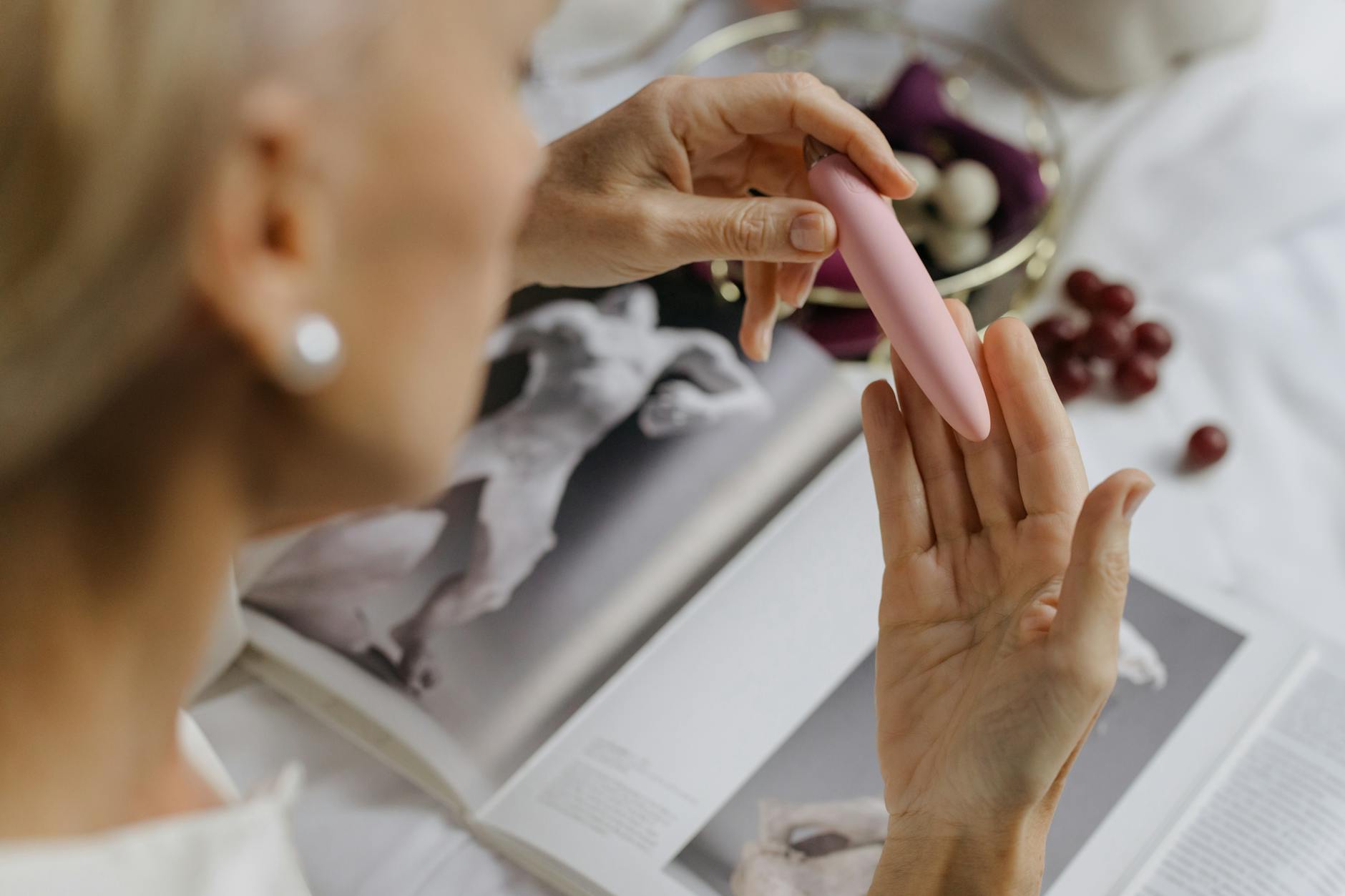
Air-suction clitoral vibrators like the Lem work differently than traditional vibration. Instead of buzzing, they use gentle suction and pulsing to stimulate the clitoris from a broader area, creating sensation that feels less like external stimulation and more like deep internal pressure. When you're disconnected from your body, this matters.
Here's why. Traditional vibrators can feel overstimulating when you're already in a heightened nervous state. You're sensitive to too much, too fast, too direct. Lemon vibrators distribute sensation more gently. They also require less of you. No complex techniques, no pressure to perform. Just steady, rhythmic sensation that your body can gradually tune back into.
Many clients report that when they're stressed and numb, a clitoral vibrator feels like the first time they've felt anything in weeks.
The reset protocol before you start
Jump straight to using a vibrator and you'll probably feel nothing. Your nervous system is still in guard mode. You need to lower the threat level first.
Step 1. Twenty minutes of non-sexual touch. Before you even think about pleasure, spend time on your own body with zero expectation of arousal. A warm bath, lotion on your arms and legs, a massage on your shoulders and neck. The point is to tell your nervous system that touch is safe again. No genitals yet. Just your body.
Step 2. Three minutes of breathing. Sit quietly and breathe in for four counts, hold for four, out for six. The long exhale activates your parasympathetic nervous system (the one that handles rest and recovery). Do this three times. It sounds simple because it is. And it works.
Step 3. One minute of noticing. Before you touch yourself at all, just notice what your body feels like. Temperature, tension, any spots that feel blocked or tight. Don't try to fix it. Just observe. This is reconnection beginning.
Now you're ready for the vibrator.
Using lemon vibrators to rebuild sensation
Start on the lowest setting. If your lemon clitoral vibrator has three or five patterns, begin with the gentlest pulse, not the strongest suction. Your goal is not intensity. It's consistency.
Place the vibrator directly on the clitoris. Unlike other toys, you don't need rhythm or technique. Just hold it there. Steady contact, low intensity, nothing else required from you.
Here's what happens next. Your brain will want to do something. Make it faster. Change the angle. Do something productive. Don't. Boredom is actually what you're looking for. When your mind gets bored, it stops scanning for threat. Your body finally gets to relax into sensation.
Stay with one pattern, one intensity, for at least five minutes. This is not a sprint to orgasm. This is rewiring the connection between your nervous system and your genitals.
If you feel something. Warmth, tingling, pressure, even mild discomfort. That's success. You're waking something up. If you feel nothing, that's also fine. Some people need three sessions before sensation returns. Your body is not broken. It's just being cautious.
The importance of no outcome
This matters enough to say twice. Do not go into this expecting to orgasm. Orgasm is not the goal when you're rebuilding connection. The goal is sensation. The goal is your brain recognizing that pleasure is possible again.
This is where stress and pleasure get tangled most. When you're already anxious, adding performance pressure (I should be coming by now, something's wrong with me, why is this taking so long) makes everything worse. It pulls you right back into that disconnected state.
Instead. Use the lemon vibrator as a reset button. No agenda. No timeline. No measurement of success. Just your body slowly remembering what it feels like to feel good.
Why pacing matters more than intensity
Many people with stress-related numbness try to solve the problem by going harder, faster, stronger. That's backward. When your nervous system is overwhelmed, intensity adds to the overwhelm.
Lower intensity, longer duration, more consistency. That's the formula that actually works. Spend ten minutes on pattern one instead of two minutes on pattern five. Your nervous system will respond better to the steady, gentle input. You're teaching your body that sensation is safe. Intensity sends the opposite message.
If you normally love a specific pattern on your lemon vibrator, put that on hold. Try patterns you've never used, at settings you'd normally skip. Your stress response has changed which sensations feel accessible. Your pleasure preferences might too, at least temporarily.
Building a rhythm around real life
Stress doesn't usually come and go in a single week. It lingers. So reconnection isn't a one-time session. It's a practice.
Aim for three to five sessions per week when you're in a stress cycle. Keep them short, fifteen to twenty minutes maximum. More than that, and you risk it feeling like another task on your to-do list, which defeats the entire purpose. This is about pleasure being restorative, not obligatory.
Pick a time when you're least likely to be interrupted. Many people find success with morning sessions, right after waking, before the day's stress ramps up. Others prefer evening, when the house is quiet. What matters is consistency more than timing.
As sensation returns, you'll naturally extend sessions. As your nervous system settles, you might feel ready for higher intensities again. Let it unfold. You're not failing if you're not ready. You're winning by showing up.
When to bring a partner back in
If you're in a relationship, your partner probably knows you're stressed and withdrawn. They might be taking it personally. Here's the conversation that helps.
Don't say, "I need space from you." Say, "I need time to reconnect with myself, and that will actually make us better." There's a difference. One creates distance. One creates hope.
If your partner wants to be involved, involve them in the reset, not the vibrator session. They can help with the twenty-minute touch ritual. They can hold space while you breathe. They can be present without touching. Many partners find enormous relief in knowing that helping you reconnect with pleasure is within their power.
When sensation does start returning, you might find you want solo sessions first, then gradually reconnect with them. That's normal. You're rebuilding trust with your own body before you rebuild it with someone else.
FAQ: Stress, pleasure, and lemon clitoral vibrators
How long does it usually take to feel sensation again after stress?
This varies. Some people feel a shift in three to five sessions. Others need two to three weeks of consistent practice. The variable is usually not your body, but how deep the stress ran and how much you're still carrying. If stress is ongoing, reconnection takes longer. If you've genuinely moved through the stressful period, sensation typically returns faster. Be patient with your timeline.
Can I use a lemon vibrator if I'm still stressed, or do I need to be calm first?
You don't need to wait for stress to vanish completely. You just need to do the reset protocol first. The breathing, the non-sexual touch, the noticing. That fifteen-minute warm-up is what creates safety for pleasure. Without it, yes, the vibrator might feel pointless. With it, you're telling your nervous system that this is a time for rest, not survival.
Should I use lubricant when using lemon vibrators during this time?
Absolutely. Stress often reduces natural lubrication, even if that's not usually your pattern. Water-based lube removes friction, which means your nervous system has one less threat to process. This makes reconnection easier. Apply lube generously before you begin.
What if I start feeling sensation and then it goes away again?
This happens. Especially if stress spikes back up. You haven't lost progress. You're just back in survival mode temporarily. Go back to the reset protocol. Three sessions, even if you've done twenty before. Your nervous system needs reminding that it's safe.
Can stress-related numbness mean my body is broken?
No. This is one of the most common temporary pleasure issues, and it's almost always reversible. Your body is responding normally to abnormal stress. Once stress subsides and you consistently practice reconnection, sensation comes back. There's nothing wrong with your equipment. There's something normal happening in your nervous system.
Is it normal to feel emotional or even cry while reconnecting with pleasure after stress?
Very normal. Stress creates emotional blocks, not just physical ones. When your nervous system finally feels safe, sometimes that held emotion surfaces. If you cry during a session, that's your body healing, not a sign something is wrong. Pause if you need to. Keep going if you want to. Trust what your body is telling you.
You can rebuild this
When stress disconnects you from pleasure, it feels permanent. It's not. Your body hasn't forgotten how to feel good. It's just protecting itself while it processes everything you're carrying. Using a lemon clitoral vibrator correctly during this time means meeting your body where it is, not where you wish it would be. Gentle, consistent, patient, and with absolutely zero pressure to perform. That's how you bring sensation back. That's how you remember that pleasure is still yours to have.