Let's start with the obvious truth
Pain during sex is real, common, and fixable. It's also weirdly taboo to talk about. Most conversations about sexual wellness skip right over the physical discomfort part and land on desire, arousal, or orgasm. But if you're experiencing pain, none of those other pieces matter until the pain is addressed.
Here's what I tell clients: pain is information. Your body is sending a signal. The signal might be "something is physically wrong," or it might be "I'm tense," or "this isn't what I need right now." Understanding which signal you're getting changes everything.
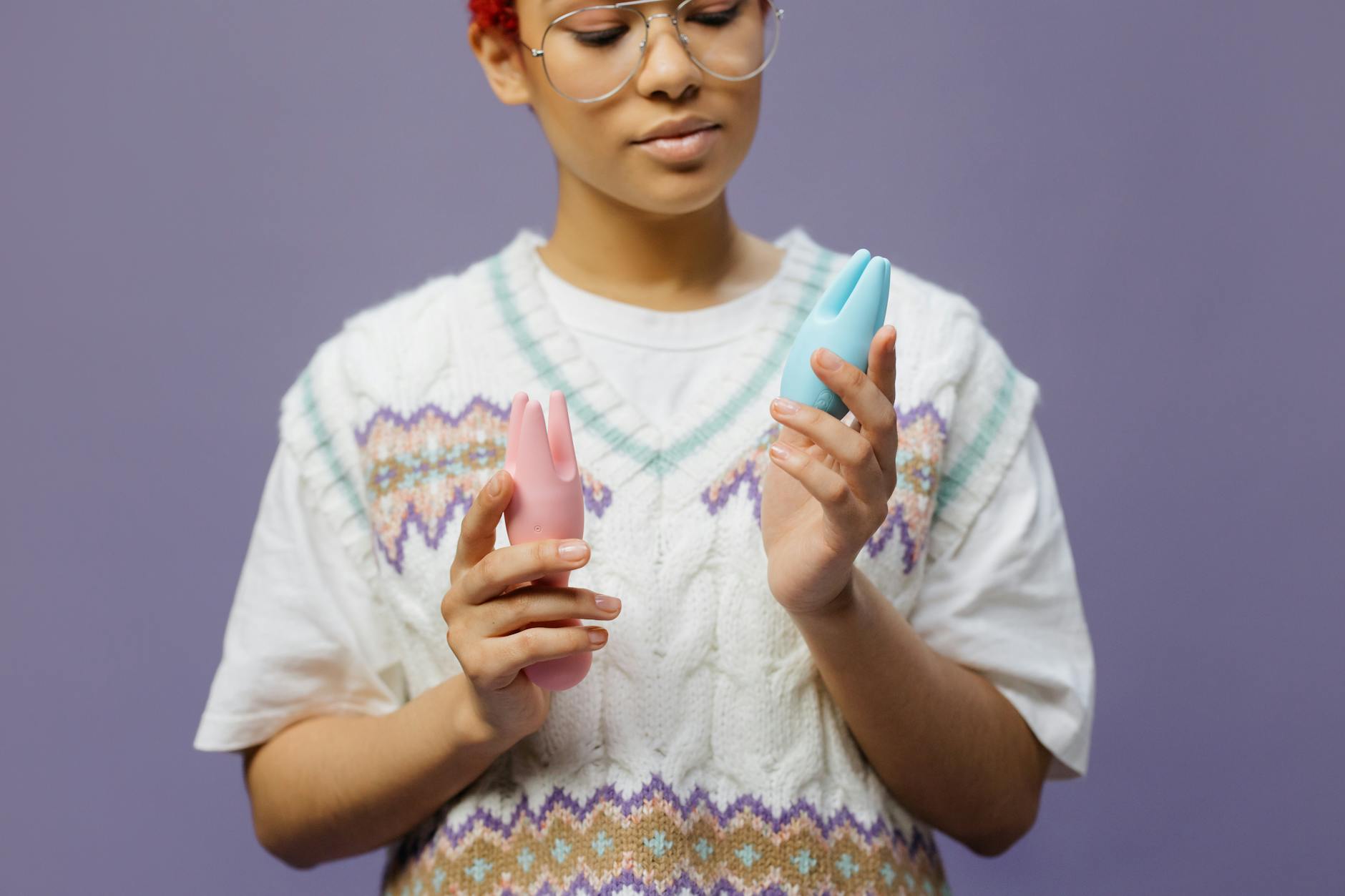
And here's the part that surprises most people: a lemon clitoral vibrator can be part of the solution, not a workaround.
The main reasons sex hurts
Pain during sex falls into a few categories. Most are treatable.
Pelvic floor tension. Your pelvic floor muscles (the ones that support your bladder, bowel, and uterus) tighten under stress, during anxiety, or sometimes just out of habit. When those muscles stay clenched, penetration or deep pressure can feel sharp or burning. This is incredibly common and responds well to gentle stimulation and intentional relaxation.
Vaginal dryness or tissue thinning. This happens during perimenopause, after menopause, with hormonal birth control, or after certain medications. The tissue inside becomes thinner and more fragile. Friction that felt fine at 25 now hurts. Lube helps, but so does understanding that your body has shifted.
Vulvodynia or vestibulodynia. These are chronic pain conditions of the vulva or the tissue surrounding the vaginal opening. They're not infections. They're not in your head. They're real neurological sensitization and respond to specific types of touch and professional support.
Pelvic inflammatory disease, endometriosis, or fibroids. These are structural or inflammatory issues that need medical assessment. Pain that's sharp, deep, or consistently in one location warrants a gynaecologist visit before you experiment with toys.
Post-procedure or post-childbirth pain. If you've recently had surgery, given birth, or had a procedure, tissue is healing. Your nervous system is vigilant. Introducing vibration too soon or too intensely can feel alarming.
Why gentle vibration can actually help
When pain is caused by pelvic floor tension or desensitization, the right kind of stimulation rewires the nervous system's response.
Here's the mechanism: vibration stimulates A-beta nerve fibers, which send signals to the brain faster than pain signals (C-fibers). When you introduce vibration to an area that's been sore or clenched, you essentially overwhelm the pain pathway with competing sensory information. It's like the gentle vibration gets there first and tells your nervous system "this is safe information," which actually reduces pain perception.
More importantly, slow builds of sensation help the pelvic floor learn to relax rather than clench in anticipation of discomfort. Instead of "I'm about to be touched, I need to tighten," your nervous system gets to practice "I can be touched and stay soft."
Lemon vibrators are particularly good for this because the suction-based stimulation is diffuse. It doesn't create the sharp friction that triggered pain in the first place. It's more like a sustained, rhythmic hum rather than a vibrating point.
How to start using a lemon clitoral vibrator when sex hurts
Step 1: Solo practice first. Before involving a partner or penetration, spend time getting to know your clitoris and what feels good in isolation. Start with the Lemon vibrator on the lowest pattern. You're not trying to orgasm. You're gathering information about what intensity your tissue can handle comfortably.
Step 2: Map your sensitivity. Notice which parts of your clitoris respond without discomfort. Many people find the sides are less reactive than the tip. Some find that the base responds better than the glans. Use this map when partnered sex returns.
Step 3: Introduce lube. Even if you never used lube before, use it now. Water-based works with silicone toys. Silicone-based lube can feel richer but requires non-silicone toys. Lube is not a sign of failure. It's a tool that reduces friction and communicates to your nervous system that ease is possible.
Step 4: Stay above the line of pain. If penetration or deep pressure hurts, don't do it. Use the lemon vibrator externally. Plenty of orgasms happen with only clitoral stimulation. Your pleasure doesn't require penetration.
Step 5: Partner communication. If you have a partner, tell them what you've learned. "The outer edges of my clitoris feel better than the tip right now," or "I need more lube than before," or "I need to keep things external for now." This conversation is not rejection. It's collaboration.
What intensity level to start with
If standard clitoral vibrators have hurt in the past, or if sex is currently painful, start at pattern 1 on the lemon vibrator. The lowest setting is often enough to wake up desensitized tissue without triggering tension.
You might stay at pattern 1 for weeks. That's fine. The goal is consistency and safety, not escalation. Some people find that after a few weeks of gentle regular use, they can move to pattern 2 or 3. Some find that pattern 1 is their sweet spot forever. Both are completely normal.
If even pattern 1 feels like too much, try wrapping the lemon vibrator in a thin piece of fabric. Yes, really. The diffusion changes everything. It softens the sensation in a way that can feel more tolerable.
The role of professional support
Let me be direct: if pain is severe, sharp, deep, or happening in only one location, see a gynaecologist before experimenting with toys. Some pain signals that something needs medical attention. Endometriosis, pelvic inflammatory disease, and fibroids are real and require treatment.
If pain is triggered by pelvic floor dysfunction or by tension and anxiety, a pelvic floor physical therapist is worth the investment. They can teach you breathing techniques, pelvic floor release exercises, and progressive desensitization. The lemon vibrator then becomes an excellent home practice tool between sessions.
If pain is psychological (rooted in trauma, anxiety, or relationship stress), a trauma-informed therapist can help. Sometimes the nervous system learned to brace during sex, and the pain is a symptom of that learned response. That's also fixable, but usually needs professional guidance.
When to pause vibrator use
Stop using the lemon vibrator if you experience sharp pain, burning that intensifies rather than eases, or a feeling of panic. Pushing through acute pain teaches your nervous system to stay vigilant. That's the opposite of what you're trying to accomplish.
Pausing doesn't mean giving up. It means you need a different approach, which might be professional assessment, different positioning, or waiting for tissue healing.
The patience piece
One thing I notice with clients: we're impatient with our bodies. If something hurt in the past, we want to return to normal by Tuesday. Nervous systems don't work that way. Desensitization and retraining take time. Weeks, sometimes months. Using a lemon vibrator gently and consistently is how you prove to your nervous system that touch can be safe again.
That might feel slow. It is slow. It's also how lasting change happens.
People also ask
Can I use a lemon vibrator if I have vulvodynia?
Maybe, but with support. Vulvodynia is a chronic pain condition, and vibration can either help or aggravate depending on your subtype and your individual response. Start at the absolute lowest setting, and if it intensifies pain, pause and check in with a pelvic floor therapist. They can guide timing and intensity.
Is pain during sex ever just psychological?
Pain is never purely psychological, even when anxiety contributes. Your body is having a real physical response. That said, anxiety, past trauma, and relationship stress absolutely affect pelvic floor tension and pain perception. This is why professional support often involves both a physical therapist and a mental health provider.
Should I use a lemon vibrator before or after sex?
That depends on what's causing pain. If pain happens during penetration, using the lemon vibrator beforehand for gentle arousal and desensitization can help. If pain happens after sex, applying the vibrator immediately after can actually reduce inflammation and teach the nervous system that the area is safe. The key is starting gently and low.
Will using a lemon vibrator make the pain worse?
Not if you start low and go slow. Pain that worsens with gentle, low-intensity vibration is a signal to pause and get professional assessment. But pain that eases with gentle vibration is your nervous system learning that touch can be safe.
Can I still have sex with my partner while dealing with pain?
Yes, but differently than before. This might mean external stimulation only, longer warm-up time, different positions, more lube, or focusing on pleasure rather than penetration for now. The lemon vibrator makes this easier because it gives you an independent way to build arousal and sensation without relying on a partner for stimulation.
When will sex stop hurting?
That depends on the cause. Pelvic floor tension often improves within 4-8 weeks of consistent gentle practice. Tissue dryness can improve with hormonal support or consistent lube. Vulvodynia or chronic pain conditions might take months of professional support. The most important thing is starting, staying consistent, and getting professional input if pain isn't improving.
Moving forward
Pain during sex is not a life sentence. It's also not something you should white-knuckle through. A lemon vibrator, used thoughtfully alongside professional support when needed, can be the tool that teaches your nervous system and your body that pleasure is possible again.
Start slow. Stay curious about what your body needs. And if you're stuck, reach out to a professional or contact us for resources on finding pelvic health support.
Your pleasure matters, and so does your comfort.