Let's name what's actually happening
Body insecurity during sex isn't really about your body. It's about where your attention is. You're performing for an imagined observer instead of feeling what's actually happening. That observer is usually a mix of past comments, social media, medical shame, and your own internal critic. None of them are in the room. But they're taking up all your mental real estate.
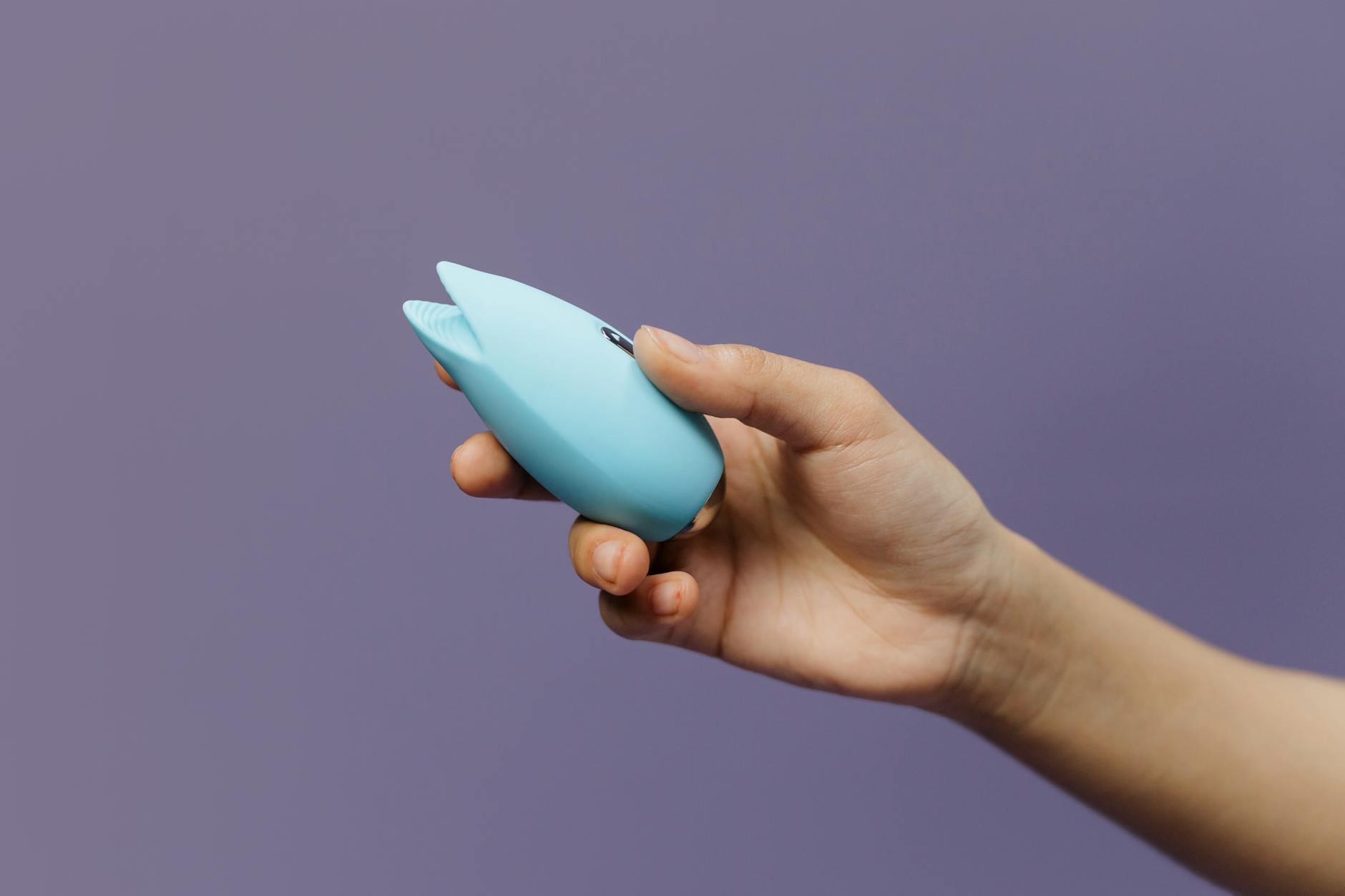
Here's the thing: clitoral vibrators, especially lemon vibrators, interrupt that loop. They don't care what you look like. They respond only to sensation. And when you use one, your brain has to track physical feedback instead of running a fashion commentary on yourself. That's not distraction. That's liberation.
Why body insecurity kills pleasure specifically
Neuroceptually, pleasure requires something called "felt safety." Your nervous system has to believe you're not under threat. When you're monitoring how your body appears to a partner (or an imagined audience), your nervous system reads that as a performance demand. Performance and pleasure are neurologically opposing states. You can't be both critiquing your appearance and having an orgasm at the same time. Your brain doesn't have the bandwidth.
Additionally, insecurity narrows attention. Instead of feeling the full sensory landscape, you feel maybe 40 percent of what's available. That means less sensation, weaker arousal, harder orgasms. You're not broken. You're just running cognitive interference.
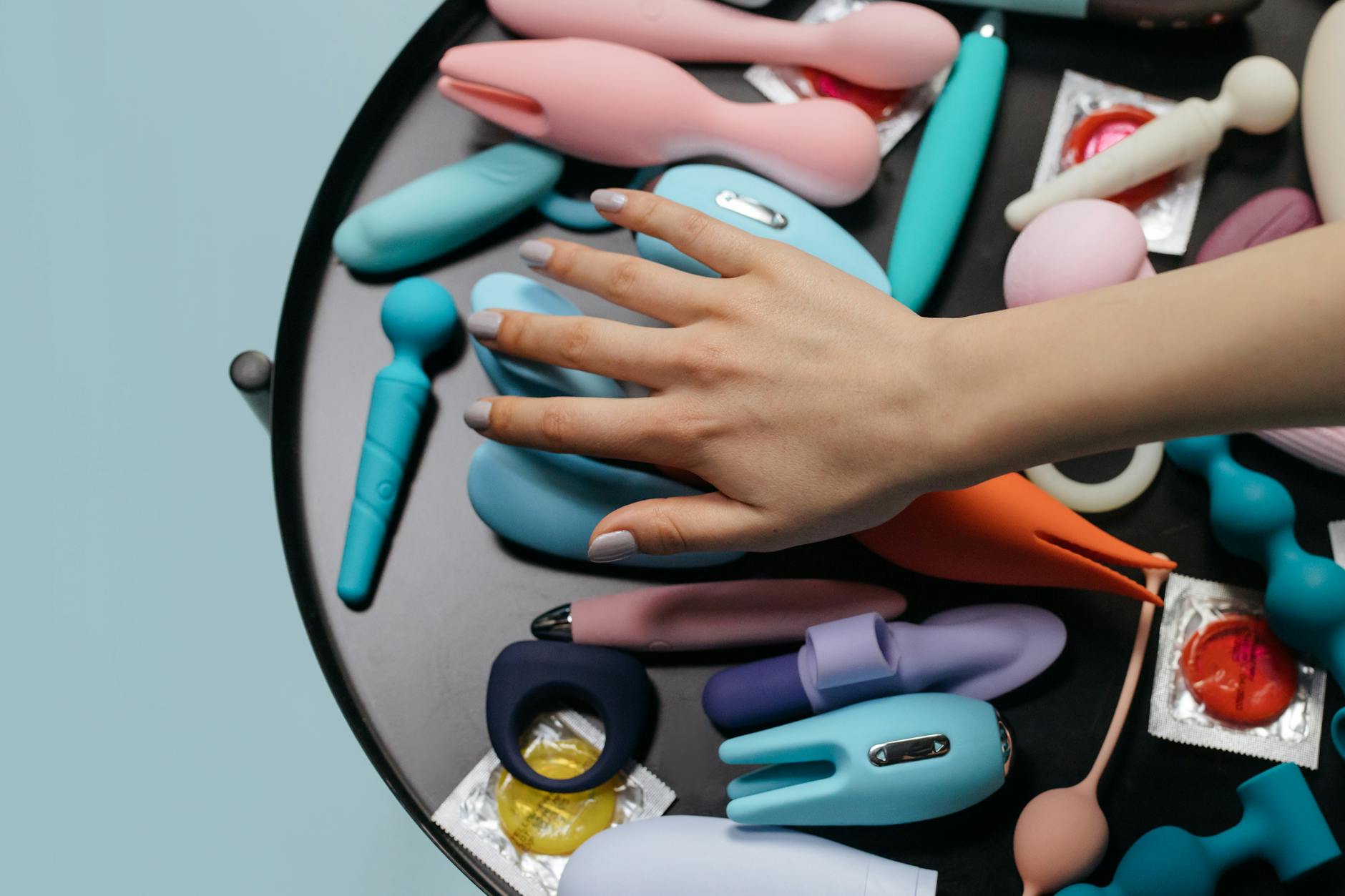
Photo by cottonbro studio on Pexels
When you use a lemon clitoral vibrator solo, that observer disappears. There's no one to perform for. The feedback loop becomes purely physical. That sensory certainty is what rewires the nervous system over time.
The solo-play foundation you need first
Before introducing a device with a partner, build a solo pleasure practice. This isn't about becoming more "independent." It's about training your nervous system that pleasure is safe when it's just you. No judgment. No performance. That's the baseline.
Start with a lemon vibrator on the lowest setting when you're alone. Not necessarily going for an orgasm. Just learning what sensation feels like without the shame commentary running. Five to ten minutes. Some people need two or three sessions to quiet the inner critic enough to feel anything at all. That's normal.
The key is building a mental association: "When I'm with this device, I'm just feeling. I'm not being watched. I'm not failing at anything." Repetition rewires that.
What happens when you're ready to include a partner
Once you've built that solo foundation, a partner can be introduced without resetting your nervous system. But the conversation matters more than the device.
Before bringing a lemon clitoral vibrator into shared intimacy, tell your partner directly: "I'm self-conscious about how I look during sex. I'd like to use this vibrator because it helps me focus on feeling instead of being watched." That's it. No apology. No explanation of your insecurities.
What you're actually saying is, "I work better this way." And that's true. A good partner hears that as a feature, not a problem.
During sex, the vibrator can serve multiple roles. Some people use it during foreplay while a partner is kissing or touching them elsewhere. Others use it as the main event while a partner provides emotional closeness without penetration. Some switch to vibrator-focused pleasure when they feel the self-consciousness rising.
The physical position matters too. If you're worried about being looked at, positions where you're not facing your partner directly can reduce that pressure. Or, counterintuitively, some people find that looking their partner in the eyes while using a clitoral vibrator actually speeds up the trust process. You see their pleasure or acceptance, and the shame narrative loses traction.
The clitoral vibrator as a conversation tool
Here's what lemon vibrators do that other devices don't quite manage as well. They're precise. They create a clear conversation between your body and the external stimulus. That precision means you can develop real awareness of what you actually like, separate from what you think you're supposed to like.
Many people with body insecurity have spent years performing pleasure rather than experiencing it. You've learned to say yes to things that don't feel great because you were taught that pleasure is supposed to look a certain way, not feel a certain way. A good clitoral vibrator retrains that.
When you use a lemon sucker or traditional vibrator regularly, you start to know the difference between "this pattern looks sexy" and "this pattern actually gets me off." That knowledge is power. It's the beginning of trusting your own body instead of evaluating it.
Managing the transition with a long-term partner
If you've been with someone for years and body insecurity is newer, that often signals something else is happening. Relationship ruptures, distance, changes in how you're touched. Sometimes the insecurity isn't actually about appearance. It's about feeling unseen.
Introducing a lemon vibrator in that context requires a slightly different conversation. "I want to reconnect with pleasure, and I think this tool will help" is different from "I'm insecure." One is action-oriented. The other invites reassurance, which rarely sticks.
Using a device can also signal to a long-term partner that you're interested in something new. That you're not resigned. You're exploring. Some couples find that the device becomes a bridge back to playfulness after years of routine. Others discover that using a clitoral vibrator together actually deepens their connection because they're not performing old scripts anymore.
Read more about reconnecting intimacy after relationship rupture if the insecurity is tangled up with relationship distance.
The nervous system retraining that actually happens
Over weeks of solo play with a lemon clitoral vibrator, something shifts. Your brain learns that pleasure without judgment is possible. That the sensation itself is enough. You don't need to look a certain way or perform a certain way to deserve orgasm. It's available to you as you are.
That's not spiritual. That's neuroscience. Repetition of an experience changes the neural pathways. If you repeat "pleasure is safe, I'm not being watched, my body is okay" a few hundred times, your nervous system eventually believes it.
When you later have sex with a partner, that rewired baseline is still there. You'll still have moments of self-consciousness. But they'll be interruptions instead of the default state. That's the goal. Not zero insecurity. Just insecurity that doesn't hijack your pleasure.
A practical note on intensity and pleasure disconnect
Sometimes body insecurity pairs with what feels like numbness or disconnection from sensation. You're so focused on how you look that you can't feel much of anything. In that case, start with a lemon vibrator on a higher setting than you might expect. Stronger sensation can cut through the cognitive noise faster. You're literally overstimulating the insecurity commentary with physical feedback.
Once you feel something, you can dial back intensity. But the first goal is re-establishing the sensation-to-pleasure connection. Everything else comes after that.
When insecurity is covering something else
If you've worked through the solo practice, introduced the vibrator thoughtfully, and you're still feeling disconnected from your body, insecurity might be a symptom rather than the root issue. Sometimes it's past sexual trauma. Sometimes it's depression. Sometimes it's a partnership where you've fundamentally stopped feeling safe.
A clitoral vibrator is a tool for pleasure and sensation. It's not a substitute for therapy or a difficult conversation with a partner. If you're using it and still feeling disconnected, that's worth exploring with a therapist who specializes in sexual health or trauma.
FAQ
Can using a lemon vibrator alone make me less interested in partnered sex?
No. You're training your nervous system to experience pleasure safely, not replacing your partner. People often report the opposite: once they've built that solo practice, partnered sex becomes more satisfying because they're not running the insecurity commentary.
What if my partner thinks the vibrator means they're not enough?
That's their insecurity, not yours. You can't solve it for them, but you can be clear: "This isn't about you. This is about me learning what I like." A good partner gets that. If they don't, that's a relationship conversation, not a vibrator conversation.
How long does it take to feel less self-conscious during sex?
Some people shift within two or three weeks of solo play. Others take two or three months. It depends on how deeply the insecurity runs and how much repetition feels comfortable. There's no deadline.
Is it weird to use a lemon clitoral vibrator if I've never masturbated before?
Not weird at all. Some people's first experience with solo pleasure comes through a vibrator rather than hands. The vibrator does some of the work your hands might, and that can feel less daunting if you're starting from a place of insecurity about your body.
Should I tell my partner I'm using a vibrator when they're not around?
That's between you and your values. Many couples find that openness about solo pleasure actually strengthens trust. Others prefer privacy. Either is fine. Just be honest with yourself about whether secrecy is protecting your autonomy or enabling shame.
Can a lemon vibrator help if body insecurity is tied to aging or physical changes?
Completely. In fact, many people find that using a clitoral vibrator as their body changes actually helps them reconnect with sensation in a new way. Your body isn't the same as it was five or ten years ago, and that's not a loss. It's just different. A vibrator can help you feel what that different body is capable of.
The bottom line
Body insecurity during sex is a nervous system story, not a body story. A lemon clitoral vibrator helps you rewrite that story by creating a context where your body is purely about sensation, not appearance. That rewiring takes repetition. It takes solo play first. But it works.
Your pleasure matters. Not as a performance for someone else, but as an experience you deserve. That starts with a conversation with yourself. A lemon vibrator is just the tool that makes that conversation possible.
If you're ready to explore pleasure on your own terms, contact us or check out the full collection of lemon clitoral vibrators and toys that can support your journey back to your body.