
The permission problem nobody talks about
Here's the thing: most people in relationships never actually ask themselves whether they have permission to pleasure themselves. They just assume they don't. It's not a conscious decision. It's absorbed from years of messaging that says your body belongs to the partnership first and to you second, if at all.
Then comes the logistics problem. If you have a partner, solo pleasure time can feel impossible. They're home. They might notice. They might feel hurt, rejected, or threatened. So you either stop touching yourself altogether, or you do it in the dark while they sleep, in the shower, on the toilet. Venues of shame. Venues of survival.
Neither is sustainable. And neither is necessary.
What partnership actually means for solo pleasure
Let me be direct: having a partner does not mean giving up solo pleasure. Full stop. This is not a nice suggestion. It's a cornerstone of sexual health.
Solo pleasure serves functions that partnered sex cannot. It teaches you what you like without performance pressure. It regulates your nervous system when you're stressed. It maintains your sense of autonomy and self-knowledge. It's not a substitute for partnered sex. It's a completely separate category of pleasure, and one you deserve to access without apology.
The problem is that most people never learned to talk about this. So they either hide it (which breeds resentment and disconnection) or they let it go dormant (which breeds frustration and numbness). Both damage the relationship.
I've worked with couples where the breakthrough came the moment one partner said: "I want solo time with myself because I deserve it, not because you're not enough." That distinction matters wildly.
The conversation you actually need to have
If you haven't told your partner you want dedicated solo pleasure time, start here. Not from a place of asking permission. From a place of claiming your own body.
Try something like: "I'm realizing I want more time to explore pleasure on my own terms. This isn't about you or us. It's about knowing my body better and taking care of myself. I'd like your support in that."
Notice what's not in that sentence: apology, explanation for why they're not enough, or a detailed schedule.
If your partner pushes back, that's information. It might mean they have insecurity, religious baggage, or outdated beliefs about what partnership means. Those are valid feelings. They're not valid reasons to stop touching yourself.
My advice: don't argue about your right to solo pleasure. It's non-negotiable. But do listen to what's underneath their discomfort. Often it's not about the vibrator. It's about feeling connected, valued, or secure in the relationship. That's a different conversation.
Practical logistics: where and when
Once you've had the conversation (or decided you're going to claim this time regardless), you need logistics.
The easiest options:
Morning solo showers. You're already going to be alone and behind a locked door. The water masks any sound. Lemon clitoral vibrators are waterproof and can handle moisture. This is often the lowest-resistance move.
Designated alone time. If your partner has a standing gym session, friend date, or family call, that's your window. No sneaking required. It's built into the schedule.
Bedtime after they sleep. If you're a night person and they're not, this works. Give it 20-30 minutes after they're fully asleep before you start. Use lower settings or earplugs first to test whether sound carries.
When you're home alone. This is the easiest scenario but also the rarest if you live together. When it happens, use it.
The key is routine. If it's random and secretive, it stays loaded with anxiety. If it's predictable ("Tuesday morning I take a longer shower"), it becomes normal. Your partner stops wondering. You stop feeling guilty. It just is.
Why lemon vibrators work for this moment
Lemon clitoral vibrators, including the suction-based designs, are designed for one thing: giving you control.
They're quiet enough that sound isn't a major issue (especially compared to wand vibrators, which hum loudly). They're small enough to slip into a nightstand drawer. They don't require a partner's input or even their awareness. They're for you, solo, on your terms.
The suction mechanism of lemon toys means you can use lower intensity settings and still get profound sensation. You don't need to ramp up to maximum power. That makes them feel less like a performance tool and more like a conversation with your own body. Which is exactly what solo pleasure should be.
Managing the stories you're telling yourself
Most of the real barrier isn't logistics. It's the soundtrack in your head.
You might be thinking: "If I do this, my partner will feel hurt." (Maybe. Probably not. And even if they do, that's their emotion to work with, not your job to prevent.)
You might be thinking: "If I come alone, I won't have energy for partnered sex." (Not true. Orgasms actually increase desire and arousal overall.)
You might be thinking: "This means our sex life isn't enough." (It means you're a full person with your own pleasure that isn't dependent on another person. That's healthy.)
You might be thinking: "They'll be mad if they find out." (If you've had the conversation, they know. If you haven't, you're still buying into the shame.)
The storyline underneath all of this is: my pleasure isn't mine. It belongs to the relationship. And that belief is what needs to change.
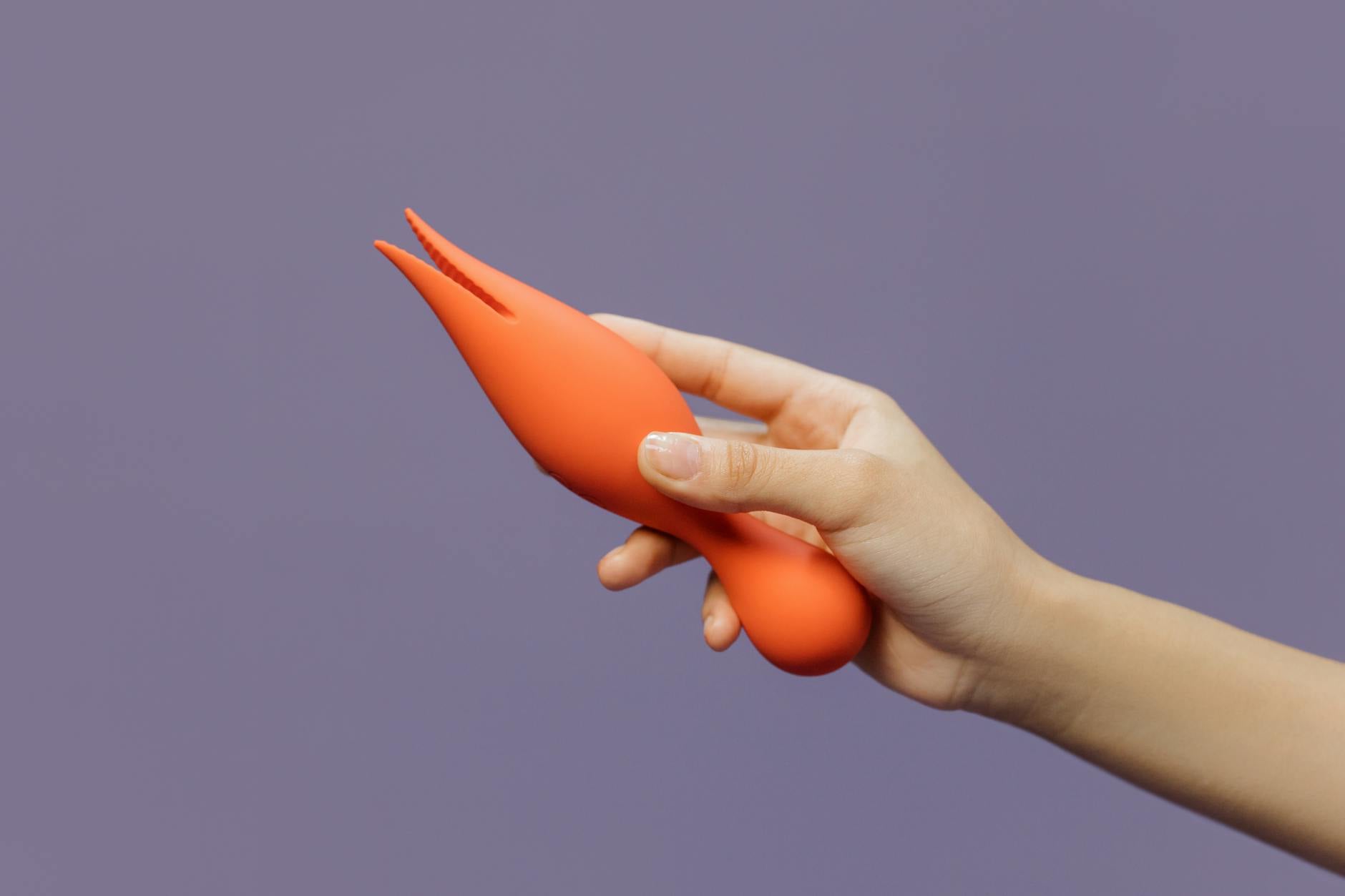
Photo by cottonbro studio on Pexels
What happens when solo pleasure is no longer hidden
Here's the weird part that nobody expects: when you stop hiding solo pleasure, your partnered sex often improves.
That's because you're no longer splitting your energy between wanting pleasure and feeling guilty about wanting it. You're no longer resentful that you have to suppress yourself. You're no longer anxious about discovery. You know your own body better, so you can actually guide your partner toward what works.
You show up as a whole person instead of a fractured one.
I've also seen couples where introducing one partner's solo pleasure time actually brought them closer. Because they had to have honest conversations about bodies, desire, and boundaries. And honesty is how connection actually happens.
The frequency question
How often should you have solo pleasure time? As often as you want.
There's no magic number. Some people want it weekly. Some want it a few times a month. Some want it daily. All of that is normal. All of that is fine.
The only real rule is that it shouldn't prevent you from wanting your partner. If you're using lemon vibrators every single day and you have zero interest in partnered sex, that might be worth examining. But I'd bet the real issue is something else. Burnout. Disconnection from your partner. A need that isn't being met.
Solo pleasure is supposed to add to your life, not replace it.
If your partner still feels threatened
Sometimes the conversation doesn't land the way you hope. Your partner might feel competitive with a toy. Might worry that you like it more than them. Might feel insecure about whether they're "enough."
This is where the relationship work happens. And it's real work.
You might need to say: "I can be attracted to pleasure itself and also attracted to you. Those aren't competing." You might need to invite them into the conversation. You might need to find a couples therapist who can help untangle the insecurity from the boundary.
But here's what you don't do: you don't surrender your right to solo pleasure to soothe their insecurity. That's called sacrificing yourself. And it never actually makes them feel better long-term.
What actually builds security is honesty. And your honesty starts with claiming your own body.
When to reach out for more support
If you've had the conversation and your partner is still shaming you, minimizing you, or making you feel unsafe expressing this need, that's a relationship issue bigger than solo pleasure. That might be a time to talk with a couples counselor or a therapist who works with relationship dynamics.
You deserve to be in a partnership where your sexual autonomy is supported, not sabotaged.
FAQ: Solo pleasure in a partnership
How do I tell my partner I want to masturbate without them thinking it's about them?
Lead with clarity: "This is about me knowing my body, not about you being insufficient." Then follow up with action. Continue prioritizing partnered intimacy. Initiate sex. Be affectionate. Over time, your partner will see that solo pleasure coexists with desire for them. They're not competing. Most insecurity comes from silence, not from the act itself.
Is it normal to prefer solo pleasure to partnered sex sometimes?
Completely normal. Solo pleasure has zero performance pressure. Nobody's watching. Nobody's on a timeline. You can spend an hour on your own pleasure without guilt or distraction. Sometimes that feels better than partnered sex. That doesn't mean something is wrong with your relationship. It means you're human and you like different things in different contexts.
What if my partner wants to watch or join in when I want solo time?
Boundaries. "I love you and I love us together, but this time is specifically for me to be alone with my body. I want solo time protected that way." You're not rejecting them. You're defining what solo pleasure means to you. If they can respect that boundary, great. If they consistently push it, that's worth examining together.
Should I use the same vibrator for solo and partnered pleasure?
You can, but you don't have to. Some people like dedicating one toy to solo play because it feels like their own private thing. Some people use the same lemon clitoral vibrator in both contexts and like that it's part of their overall sexual landscape. Either is fine. What matters is that the toy is clean and that you're choosing, not compromising.
How often is too often for solo pleasure?
There's no "too often" unless it's interfering with your life, your relationships, or your ability to function. If you're masturbating so much that you're not sleeping or you're avoiding your partner entirely, that might be worth examining. But daily solo pleasure? Weekly? That's all within normal range. Your body will tell you what it needs if you listen.
What if my partner gets angry when I talk about this?
That's information. Anger often covers insecurity, fear, or outdated beliefs about what partnership means. It's worth exploring: "I'm hearing anger. What are you actually afraid of?" Sometimes people soften when they can name the real thing. Sometimes they don't. But you still deserve to have your pleasure, regardless of their emotional response to it. That's where you might need outside support, whether that's a therapist or trusted friends who get it.
Your pleasure matters. Your body is yours. Solo time with a lemon vibrator isn't a betrayal. It's self-knowledge. It's sovereignty. Claim it.