Let's name the problem first
One person reaches arousal like they're taking the stairs. The other needs the full express elevator ride. You're not incompatible. You're not broken. You're just operating on different timelines, and that timeline mismatch is one of the sneakiest ways couples start feeling out of sync without actually talking about it.
Here's what usually happens: the faster partner waits, gets impatient, either speeds things up or checks out mentally. The slower partner feels the pressure, which slows them down further. Both people end up frustrated. Nobody says it directly. It just becomes this quiet tension.
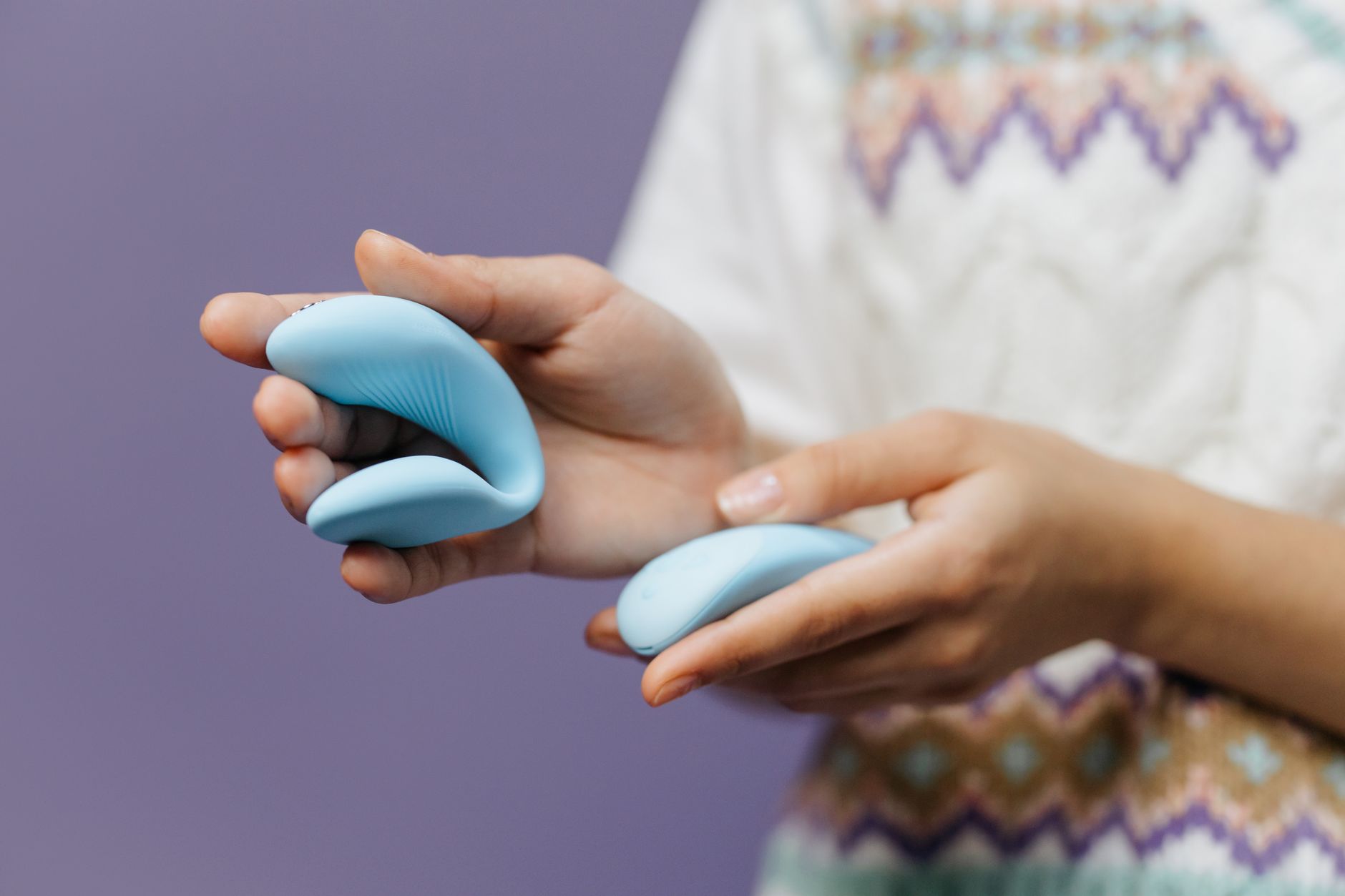
Lemon clitoral vibrators solve this elegantly, but only if you use them the way I'm about to explain.
Why arousal timing matters more than you think
It's not just about duration. It's about how your brain processes anticipation and pleasure. Someone who reaches arousal quickly often has a nervous system that responds to novelty and variety fast. Their body's ready before their mind catches all the way up. The slower-to-arouse partner often needs sustained attention, context, emotional presence, or a longer build.
Neither is superior. They're just different activation patterns.
The problem isn't the difference itself. The problem is trying to pretend it doesn't exist. Most couples don't address it explicitly because there's still weirdness around bringing toys into the conversation. You might think, "If I suggest a vibrator, will they feel like I'm saying they're not enough?" Or the opposite: "If I want a vibrator to speed myself up, will they take it personally?"
They won't. But you have to actually talk about it.
The reframe: separate your arousal from theirs
Here's the shift that changes everything. Your arousal is yours. Their arousal is theirs. They are not the same thing, and they don't have to be.
If you're the faster-to-arouse partner, your job is not to wait politely while slowly simmering. Your job is to honor your body's response without either rushing them or checking out. That's where a lemon vibrator becomes genuinely useful. Instead of sitting in limbo, you're actively engaged with your own pleasure. You're present because you're enjoying yourself, not because you're performing patience.
If you're the slower-to-arouse partner, a vibrator isn't about speeding up artificially. It's about getting external help so your slower timeline doesn't feel like a problem to be solved. Maybe you need fifteen more minutes than your partner. A lemon sucker or lemon clitoral vibrator compresses that timeline without requiring your partner to single-handedly bring you along.
You're not meeting in the middle. You're both getting what you need simultaneously.
How to actually do this without awkwardness
Start with honesty, not with the toy.
Pick a moment when you're not about to have sex. Maybe it's Tuesday morning coffee or a car ride. Say something like: "I've noticed we get there at different speeds, and I think it might help if we talked about that. Neither of us is wrong. I just want us both to feel good." That's it. You're naming the dynamic without blame.
Then: "I'm thinking a vibrator might actually help both of us enjoy ourselves more without feeling rushed. Want to explore that together?"
If they're curious, you've opened the conversation. If they're hesitant, ask what the hesitation is. Often it's not the toy. It's fear that you're unhappy. Reassure them that you're not. You're just being practical.
When you actually use lemon vibrators as a couple with different arousal speeds, structure matters.
Three patterns that work
Pattern One: Parallel arousal. You both start at the same time. You use a lemon clitoral vibrator on yourself while they use their hands, or vice versa. You're in the same space, doing your own thing, no pressure to match. It's intimate without being dependent. One person often finishes first, and that's fine. You keep going until you're both where you want to be. No rushing.
Pattern Two: Sequential attention. The faster-to-arouse partner gets solo attention first, bringing themselves or being brought to the edge with a vibrator. Then the focus shifts to the slower partner, and the faster partner's job becomes providing the sustained attention and presence that helps the slower one build. You're not waiting. You're actively participating in their pleasure.
Pattern Three: Mutual timing. This one's for when you've built trust around the rhythm. The slower-to-arouse partner tells you what timeline they actually need: "I need about fifteen minutes before I'm really there." You set that as your container. For fifteen minutes, you're both building, using whatever tools help each of you get there. A lemon vibrator might be part of your toolkit, or it might just be the psychological permission to take the full time without guilt.
What to avoid
Don't use a vibrator as a workaround for not paying attention. If the slower-to-arouse partner says they need twenty minutes, that doesn't mean you get to hand them a vibrator and check your phone. Presence matters. A vibrator is a tool, not a substitute for your actual engagement.
Don't position it as "fixing" anyone. "You take too long" becomes "I want us both to feel good," which is different. The first is blame. The second is partnership.
Don't introduce it during sex the first time. Talk about it first, buy it together if possible, let them hold it and feel comfortable with it before it's anywhere near intimacy.
When to consider other options
If the arousal gap is more than twenty to thirty minutes, or if it's creating real frustration, there might be other stuff worth exploring. Sometimes slower arousal signals that you need more emotional connection, different kinds of touch, or even that the relationship needs some attention. A vibrator is useful for biological timing. It's not useful if the real issue is feeling disconnected.
If medication is involved (antidepressants, birth control, antihistamines), that might be worth discussing with a doctor. Sometimes the arousal shift isn't about compatibility. It's about something your body needs support with.
The real benefit
When you stop trying to fake a synchronized arousal response that doesn't exist, something shifts. You both relax. You stop resenting each other for your bodies. You get to enjoy yourself without guilt or impatience.
Lemon clitoral vibrators work best in this framework because they're powerful enough that you can get somewhere real, but they're small enough that they don't become the main event if that's not what you want. They're a tool that lets both of you opt in without anyone feeling like they're settling or rushing.
Your timelines don't have to match for your pleasure to. That's the actual fix.
People also ask
Can we use a lemon vibrator on me while my partner and I are having sex?
Absolutely. Some partners use it during penetration for extra clitoral stimulation, or after, while you're both winding down. Just make sure you're comfortable with the angle and sensation first. Try it solo before integrating it with a partner so you know what you like.
Will using a vibrator make me need one all the time?
No. Your body doesn't "get addicted" to vibration. What sometimes happens is you discover you like a certain kind of sensation and you prefer it. That's not a problem. It just means you know yourself better. You can absolutely enjoy partnered sex without a vibrator. The vibrator just gives you options.
What if my partner feels threatened by the vibrator?
That's worth talking about directly. Often the fear underneath is "am I enough?" The honest answer is: a vibrator is not a person. It can't replace emotional intimacy or partnership. What it can do is let you both feel good without one of you sacrificing or rushing. Sometimes saying that out loud helps. Sometimes your partner needs reassurance that you still want them. Both things can be true.
How do I bring this up without making it seem like I'm unhappy?
Lead with curiosity, not complaint. "I've been thinking about ways we could both feel more satisfied" lands differently than "you take too long." The second is criticism. The first is collaboration. You're on the same team.
Is it weird to use a lemon vibrator with a partner if we've never used toys before?
Not at all. Some couples start with toys because it opens conversations they weren't having. You don't need to be in a certain relationship stage or have a certain history. You just need mutual interest and basic honesty about what you want.
How do I know if we actually have an arousal speed mismatch or if something else is going on?
Ask directly. "Does sex feel rushed to you?" "Do you feel like I'm waiting?" "What would feel better?" Their answers will tell you if it's a timing thing or if it's something else. Sometimes slower arousal is actually lower desire, or distraction, or needing more emotional connection. Those are different problems with different solutions.
The bottom line
When you stop pretending arousal speeds match when they don't, you open space for both of you to actually enjoy sex. Lemon clitoral vibrators make that easier because they give the faster partner something to do besides wait, and they can help the slower partner feel less pressured about their timeline. But the real tool is the conversation. That comes first. The vibrator just makes the conversation easier to have.