Here's the thing nobody talks about
You and your partner can be wildly compatible and still have completely different ideas about what pleasure should feel like. One person craves deep, intense sensation. The other wants something gentler. Neither of you is wrong. But when those preferences collide, the conversation gets awkward fast.
I've worked with countless couples where one partner says something like, "I feel like I'm hurting them" or "I don't understand why they want it so strong." Meanwhile their partner is thinking, "Why don't they get that I need this level of intensity to actually feel something?" Both are operating from fear instead of curiosity. Both miss the chance to actually solve this together.
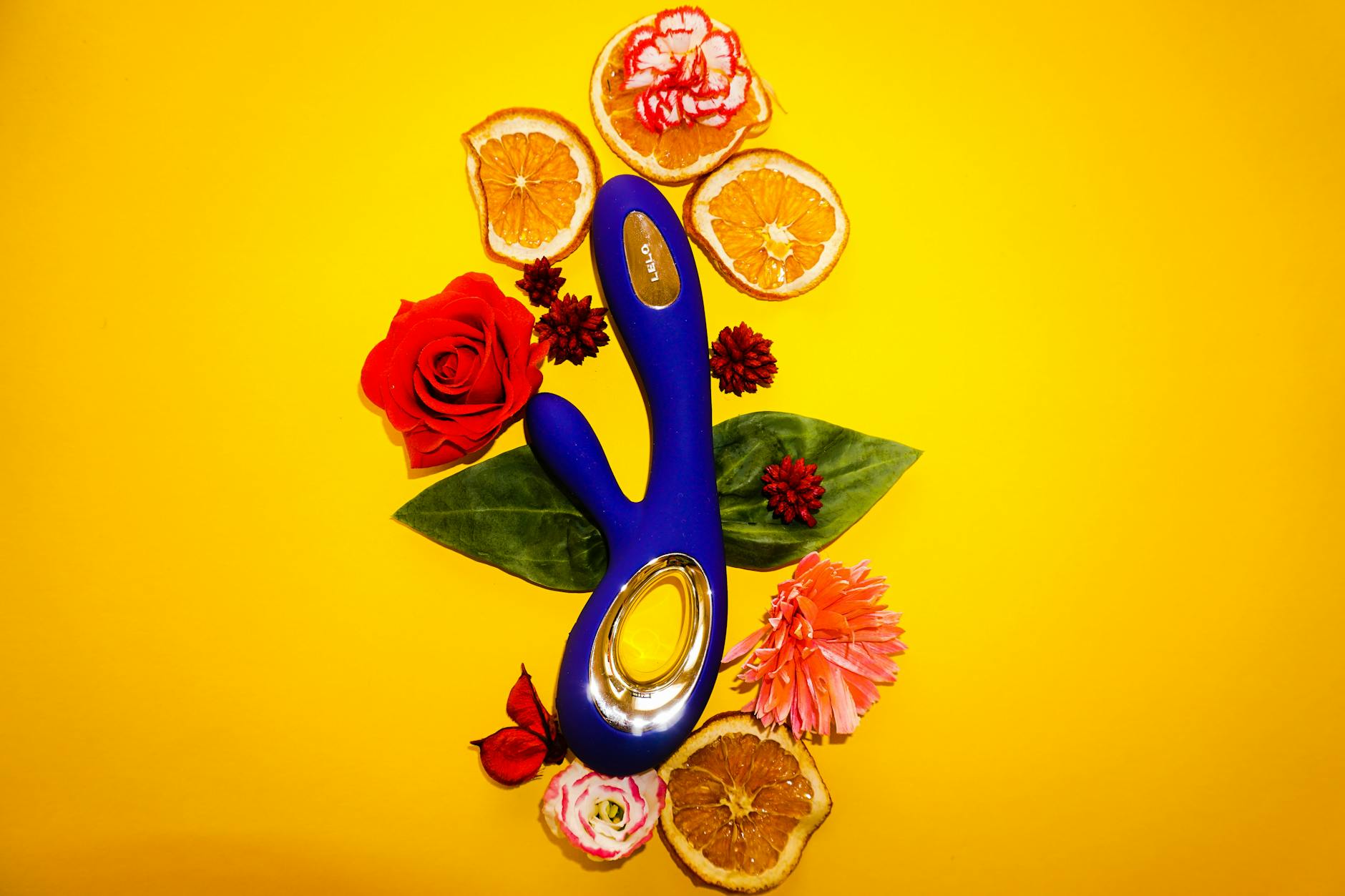
The good news: intensity mismatch is one of the easiest relationship friction points to work with, especially when you have the right tools. Lemon Clit vibrators come in different patterns and intensity levels for exactly this reason. You don't have to compromise your pleasure. You just need a framework for talking about it.
Why intensity matters (and why it's not about your partner)
Sensation preference isn't personality. It's neurology. Some people's nervous systems respond to light touch. Others need sustained, stronger pressure to register pleasure at all. This isn't a reflection on your partner's love or commitment. It's not about them being "not enough." It's about how your body's sensory receptors and nerve pathways are wired.
Think of it like this: if someone preferred spicy food and their partner didn't, you wouldn't tell them to eat milder curry to prove they loved them. You'd say, "Cool, let's order what works for each of us." Pleasure intensity is the same. Different settings. Same meal, different seasoning.
Here's where couples often stumble. They assume intensity is a team sport. If you want stronger sensation, they feel like they should be the one delivering it. If they can't, shame follows on both sides. But here's the reality: lemon vibrators let you meet your own needs without demanding your partner change theirs. That's not sidestepping intimacy. That's actually deepening it.
The conversation you probably need to have first
Before you reach for a toy, you need to separate three things your partner might be worried about:
First, they might think intensity means they're not enough. They're not. This is about biology, not affection. Say it clearly: "I love what we do together. My body just needs a different level of stimulation to reach orgasm. That's not about you. That's about me."
Second, they might worry the vibrator will replace them. It won't, and you know that. But they need to hear it. Frame it this way: "I want us together and for me to be able to feel what's happening. Using this makes that possible. You're still here. We're still connected."
Third, they might feel awkward or unsure how to participate. That's actually fixable. You can show them exactly what you need, involve them in the experience, or let them know you want some solo time with it. Their role doesn't disappear; it just shifts.
Honestly, the biggest mistake couples make is skipping this conversation entirely and hoping the problem solves itself. It doesn't. One person feels resentful. The other feels guilty. The toy becomes a proxy for the real issue, which is: "I don't know how to want different things and still feel close."
How to use Lemon Clit vibrators at different intensity levels
Let's get practical. If your partner's uncomfortable with high intensity, you have options that don't require you to settle:
Start with lower patterns and build gradually. The Lem vibrator has multiple settings, and the pattern you choose matters as much as the power level. A light pulse at medium intensity often feels softer than a constant buzz at low. Explore the patterns first. You might find one that satisfies you without overwhelming your partner.
Use it during solo time first. This isn't avoidance. It's information gathering. When you know exactly which settings and patterns work for you, you can explain it clearly to your partner. "I need setting three or higher to orgasm" is concrete. "I like it intense" is vague and scary.
Bring them into the experience, not out of it. Once you know your preferences, show your partner. Let them hold it. Let them control the pattern while you guide them on what feels good. This turns it from "you're doing something without me" into "we're exploring this together."
Create separate scenarios. You might want intense sensation during solo time and softer, partnered pleasure when they're involved. Both are valid. Both are needed. One doesn't replace the other.
When intensity preference means something else
Here's where I need to get clinical for a second. Sometimes one partner wants higher intensity because lower sensation genuinely doesn't register. That can point to medication side effects, hormonal changes, or even numbing from anxiety or disconnection from their body. If that's you, a lemon clitoral vibrator at higher settings is useful. But it's also worth checking in with a healthcare provider about whether something else is going on.
Other times, the intensity desire comes from a need for distraction or control during sex. If your partner is uncomfortable with that level of intensity because it feels aggressive or non-consensual to them, that's a different conversation. It's not about the toy. It's about what the intensity represents emotionally. That might need more than product solutions.
Most of the time though, it's just different wiring. Your nervous system asks for more. Theirs prefers less. That's not a problem. That's just information.
Building back to shared pleasure
Here's what actually heals intensity mismatch: your partner feeling like they still matter in your pleasure, even when they're not the primary source of stimulation. That doesn't mean forcing them to use higher settings. It means including them somehow.
Maybe they touch you elsewhere while you use the vibrator. Maybe they watch and talk to you. Maybe you alternate between them and the toy, so they feel the rhythm of your pleasure. Maybe you use it solo but tell them about it afterward. There are a hundred ways to make this intimate and shared instead of separate and lonely.
The couples I work with who navigate this best have a simple agreement: "Your pleasure matters as much as mine. We're both allowed to need what we need. And we figure out how to stay connected while honoring both." That's it. No resentment. No performance. Just honesty and creativity.
Practical tips for different partnership dynamics
If your partner is uncomfortable watching, start smaller. Use the vibrator during private time. Build your own confidence with it first. Then gradually involve them as you feel ready.
If your partner feels left behind, talk about what involvement looks like for them. Some partners feel better if they're the ones who initiates the vibrator. Others want to control the settings. Some just want to be present and touching you. Ask what would help them feel connected.
If this is early in your relationship, you have a chance to normalize this from the start. You're not introducing a "problem" into something perfect. You're building a foundation where both people's needs matter. That's actually the definition of a healthy partnership.
If you've been together for decades and this is new, expect some adjustment time. Change feels weird even when it's good. Give each other grace.
People also ask
Will using a Lemon Clit vibrator with my partner make them feel inadequate?
Not if you handle the conversation right. Inadequacy isn't about the toy. It's about the story they're telling themselves. When you're clear that you love them and your body just needs different stimulation, most partners relax. If they don't, that points to a deeper insecurity that's worth exploring together, possibly with a therapist. The vibrator isn't the real issue; it's just bringing an existing fear to the surface.
Can I use a lemon vibrator during partnered sex if my partner prefers gentler intensity?
Absolutely. The vibrator can be solely for you while your partner's hands or body interact with you in their preferred way. You're not asking them to match your intensity. You're meeting your own need while they're still engaged. This is actually common and works really well.
What if my partner thinks I should be satisfied with what they provide?
That's a bigger conversation than intensity preference. That's about whether your partner believes your pleasure is legitimate and worth problem-solving. If they think toys are a threat rather than a tool, you might benefit from couples therapy to explore what that's about. A vibrator is never a replacement for a partner willing to care about your satisfaction.
How do I bring this up without making my partner feel judged?
Lead with curiosity, not complaint. Instead of "You don't give me enough sensation," try "I've noticed my body needs stronger stimulation to reach orgasm. I'd love to explore that together. What would feel okay to you?" Frame it as something you're discovering about yourself, not something they're doing wrong.
Can lemon vibrators help if I'm numb during sex with my partner?
Lemon Clit vibrators are great for sensitivity that's disappeared from stress, medication, or disconnection. Using one solo first helps you reconnect with sensation. Then you can involve your partner. But if numbness is new or chronic, it's worth mentioning to a healthcare provider. Vibrators help. Medical support might too.
What if my partner wants to use the vibrator on me but I'm worried about intensity?
This is the flip side. If you prefer gentler sensation and your partner wants to use a lemon vibrator on you, start with the lowest settings and patterns. Show them your body's response. Let them know when it's too much. Use words like "lighter" or "slower pattern" so they understand what you actually want. Communication runs both directions.
Moving forward
Different intensity preferences don't mean you're incompatible. They mean you get to know yourselves and each other better. The couples who work through this usually end up closer, not further apart. They've learned that wanting different things doesn't threaten the relationship. It just means both people deserve to feel good.
If you're ready to have this conversation with your partner, start with curiosity. "I've been thinking about what helps my body feel good, and I'd like to explore that. I want you to be part of figuring this out." That's it. You don't need permission. You need partnership. And if your partner's willing to explore with you, that's where real intimacy begins.
Your pleasure matters. Their comfort matters. Both can be true at the same time. You're not choosing between them. You're just learning how to honor both.