Let's talk about the part nobody prepares you for
Medical trauma rewires more than your body. It rewires your relationship with sensation, trust, and safety. Whether it's surgery, a procedure, an illness, or an accident, the aftermath often leaves pleasure feeling distant or even impossible. You might fear your body won't respond the same way. Or you might feel disconnected from sensation altogether. Both are completely normal.
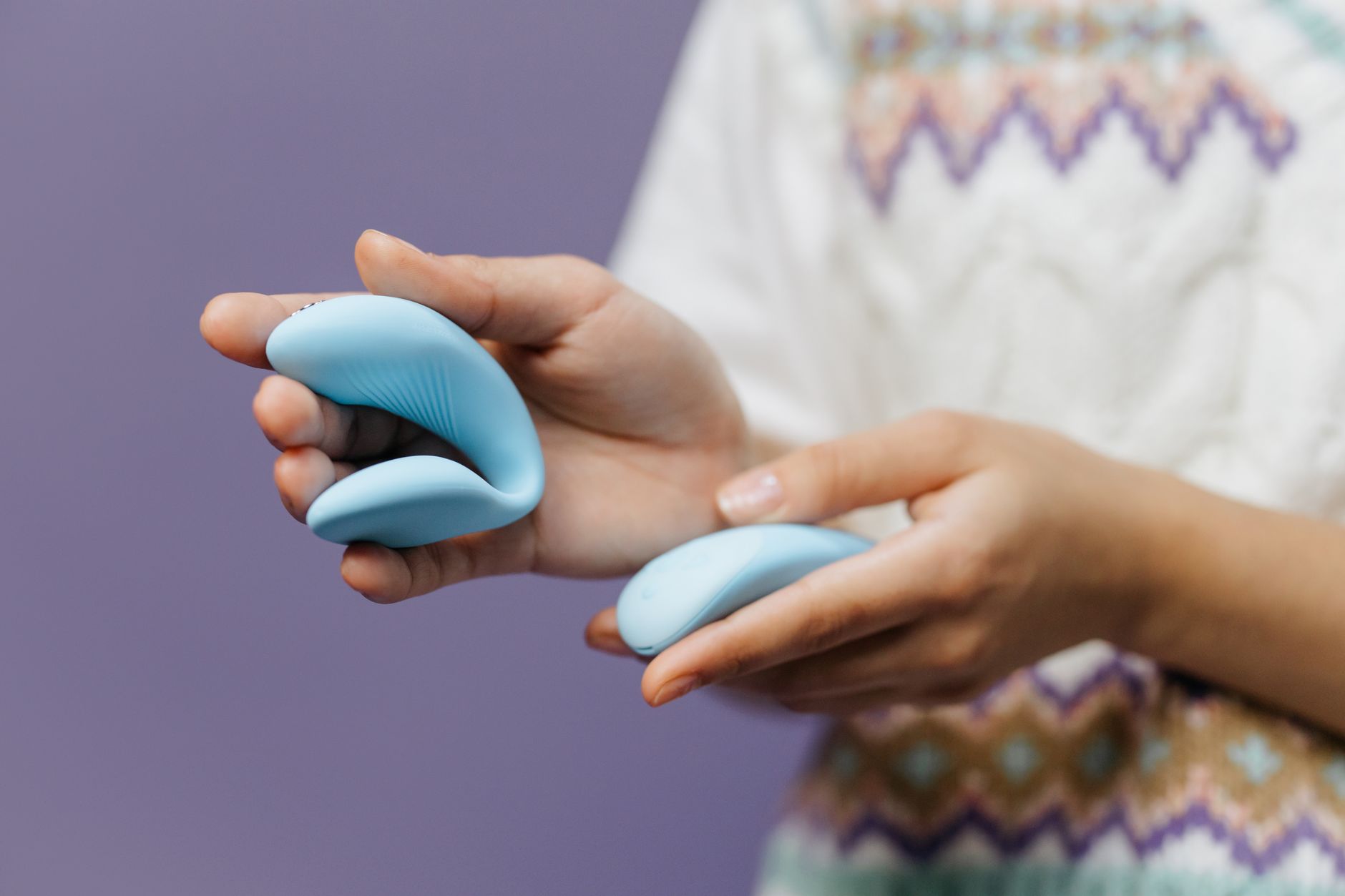
Here's the thing: your nervous system is doing its job. It learned that your body wasn't safe. Rebuilding that trust takes time, and it takes the right tools. Clitoral vibrators like those from Lemon Clit can actually be part of that recovery. Not because they magically fix anything, but because they give you control, predictability, and gentleness in a situation where you need all three.
I've worked with hundreds of people rebuilding pleasure after medical events. The ones who recover fastest aren't the ones who rush. They're the ones who understand that this is a process, not a deadline.
Why your body feels different right now
Medical trauma creates what we call "somatic fragmentation." Essentially, your mind and body disconnect. Your nervous system has been through something, and it's on alert. That hypervigilance can make touch feel overwhelming, triggering, or completely numb.
The good news: your capacity for pleasure hasn't disappeared. It's just dormant. And dormant is fixable.
When you use a vibrator during this phase, you're not chasing an orgasm. You're teaching your nervous system that sensation can be safe, controllable, and yours. That's actually the entire goal for the first few months. This shift in expectation changes everything.
Starting with your nervous system, not your body
Before you pick up any toy, you need to understand where you are emotionally. Ask yourself these questions honestly.
Can you be alone with your body without panic? If the answer is no, start there. Sit with yourself, clothed, in a safe space. Let your nervous system calm down. Five minutes. Then ten. This sounds basic, but it's foundational.
Can you touch yourself non-sexually? Massage your arm. Hold your own hand. Feel your own warmth. This builds the neuromuscular bridge between mind and body that trauma disrupts.
Do you feel safe? Not just physically, but emotionally. If you're with a partner, do you trust them? If you're alone, does your environment feel contained? Safety is not negotiable. Your nervous system won't open to pleasure without it.
Once you can answer yes to these three, you're ready to introduce a toy.
Why lemon clitoral vibrators work for this specifically
Lemon Clit vibrators are built for control. You hold the device. You choose the intensity. You can start at pattern 1 and never leave it. You can use it for thirty seconds and stop. No demands. No performance.
The clitoral stimulation these devices provide is also less psychologically loaded than penetration for many trauma survivors. It's isolated. It's about your own sensation, not partnering, not performance. It's a private conversation between you and your body.
Start with the gentlest setting. Hold the vibrator near (not on) your clitoris first. Let yourself feel the vibration at a distance. If that's comfortable, move closer. The goal is sensation awareness, not arousal. If arousal happens, wonderful. If it doesn't, that's also fine.
The timeline that actually works
I recommend thinking of this in weeks, not days. Week one is about presence. Use the vibrator for just a few minutes. Feel the sensation. Notice what comes up emotionally. Stopping before you feel overwhelmed is a win.
Week two, extend slightly. Maybe add a few more settings. Notice which patterns feel safest. You're mapping your own pleasure, not following anyone else's script.
By week three or four, you might feel safe enough to explore a little longer, or to use lube (which many trauma survivors find makes sensation feel less intense and more controllable). Silicone-based lubes work beautifully with Lemon Clit's clitoral vibrators, creating a buffer layer that can ease anxiety about direct contact.
The timeline varies wildly. Some people need four weeks. Others need four months. There is no right speed.
What to do if something triggers you
You're using the vibrator, and suddenly you feel panicked, frozen, or flooded. Stop immediately. There's no shame in this. Your body is communicating.
Turn off the device. Put it down. Ground yourself. Feel your feet on the floor. Name five things you see. Breathe deeply. Remind yourself: I'm safe now. My body is telling me it needs more time.
Then rest. Don't push. Don't shame yourself. This isn't failure. This is information. Your nervous system is saying it needs more safety, more preparation, or both.
Many trauma survivors find that going slower actually accelerates healing. Paradoxical, but true.
Bringing a partner in (if that's your situation)
If you're rebuilding with someone, the vibrator becomes a bridge. You can use it with them present but not touching. You can use it together, with them holding you. You can let them learn what feels safe to you by watching your own choices.
The message to your partner is simple: I need control. I need to decide when we start and when we stop. I need you to follow my lead, not anticipate it. A lemon clitoral vibrator makes this visually clear. You hold it. You decide. Your partner witnesses your pleasure, which rebuilds trust.
Talk about this beforehand. "I want to use this tool to reconnect with my own body. It might be slow. I might need to stop. That's okay." Partners who understand the mission move from feeling helpless to feeling supportive.
When sensations start returning
After weeks of gentle exposure, you might notice something shift. A sensation that felt numb suddenly has texture. A pattern that felt overwhelming now feels interesting. This is your nervous system recalibrating. Celebrate it quietly.
Don't leap to complex pleasure yet. Stay with what feels safe. If you've been using pattern 1, pattern 2 now feels thrilling. That's enough. The progression builds from there.
Some people find they develop new preferences after trauma. Sensation that used to feel good might not anymore. Different patterns might call to you. This isn't loss. This is your nervous system teaching you who you are now. Listen to it.
The role of professional support
If panic or numbness persists beyond a few weeks, talk to a therapist who specializes in trauma. Somatic therapy, EMDR, or sex therapy can accelerate healing in ways that self-guided exploration cannot. There's no weakness in that. There's only wisdom.
Lemon vibrators are a tool, not a treatment. They're part of a larger ecosystem that includes safety, time, possibly professional support, and radical self-compassion.
People also ask
Is it normal to feel nothing when using a vibrator after medical trauma?
Completely normal. Trauma often creates temporary numbness as a protection mechanism. Your nervous system is managing the sensory load. Rather than chasing sensation, focus on presence. Can you feel the vibration? Can you notice your breathing? That's enough. Sensation often returns as safety deepens.
How do I know if I'm ready to explore pleasure again?
You're ready when you can be alone with your body without acute fear, when touch doesn't immediately trigger panic, and when you feel at least some curiosity. You don't need to feel fully healed or entirely comfortable. You just need a small opening.
Can using a vibrator re-traumatize me?
It's possible if you push too fast or without grounding first. That's why starting slow matters. If you notice panic, stop. Honor what your body is telling you. Healing isn't linear, and taking a pause isn't failure.
Should I tell my partner about this journey?
If you're rebuilding with a partner, yes. Not all details need to be shared, but the general arc does. "I'm working on reconnecting with my own pleasure after what happened" invites them into the mission. Partners often want to help but don't know how. Clarity helps.
How long does it take to feel normal again?
That depends on the trauma and your support system. Some people feel significantly better in a few months. Others take a year or longer. Comparing your timeline to someone else's timeline is the enemy of healing. Your pace is the right pace.
What if pleasure doesn't return the way it was before?
Sometimes it doesn't. Sometimes it becomes something different, deeper, more intentional. Sometimes the things that used to feel necessary now feel optional. This isn't loss. This is evolution. You're not supposed to be the same person. You're supposed to be the next version.
The real work is trust
Rebounding from medical trauma isn't about getting back to baseline. It's about building a new relationship with your body, one where you're the decision-maker. A lemon clitoral vibrator can absolutely be part of that. But the real work is the one you do between uses: noticing yourself, trusting your sensations, respecting your boundaries, and moving at the pace that actually feels safe, not the pace you think you should be at.
Your pleasure matters. And your safety matters more. That's not a contradiction. That's wisdom.
Sources and further reading
Trauma and the nervous system: Bessel van der Kolk, The Body Keeps the Score (Penguin, 2014). For clinical approaches to somatic recovery, the International Association for the Study of Trauma and Dissociation (ISSTD) maintains a therapist database. Sex therapy resources specific to trauma recovery are available through the American Association of Sexuality Educators, Counselors, and Therapists (AASECT). Consult a trauma-informed therapist before beginning any pleasure-based recovery work.