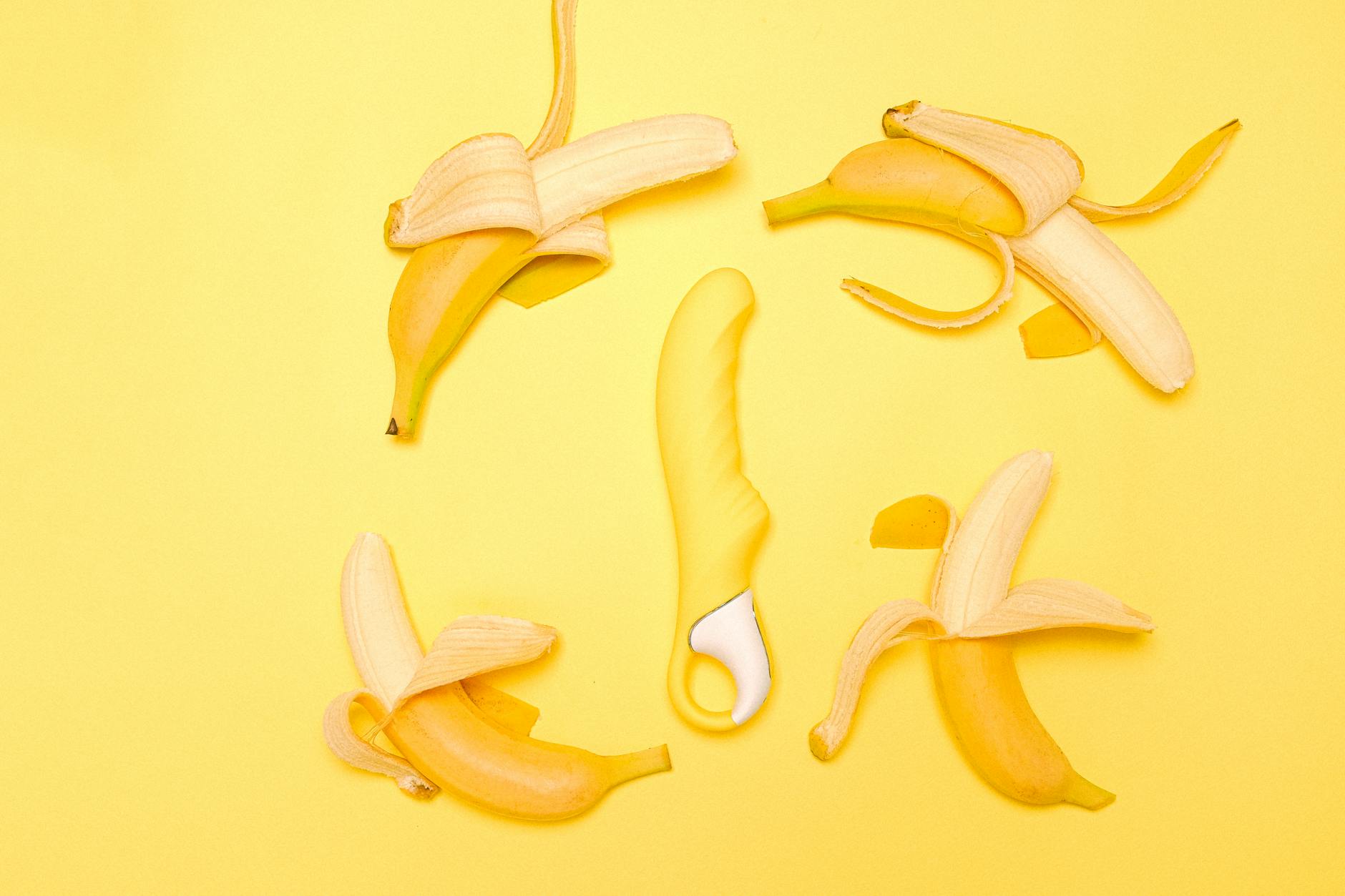
How to Rebuild Pleasure With Lemon Vibrators After Your Long-Term Relationship Ends
Here's what nobody tells you about breakups: your body grieves separately from your heart. Your nervous system has spent years attuned to one person's rhythm, their touch, their timing. When that relationship ends, pleasure doesn't just feel different. It feels like someone else's pleasure.
That disorientation is real, physiologically rooted, and temporary. The path back isn't about "moving on" or "getting back out there." It's about methodically, kindly reconnecting with your own sensations. Lemon vibrators, with their air-suction design and targeted pressure, become a useful tool in that reconnection. Not because they replace anything, but because they give your body permission to respond on its own terms.
Why pleasure feels broken after a long-term relationship
When you've been intimate with one person for years, your body develops what I call "learned response patterns." Your nervous system recognizes their particular touch, the speed they use, the angle, the rhythm. Over time, arousal shortcuts through these patterns. Your brain knows what's coming. Your body cooperates automatically.
Then the relationship ends. That particular touch disappears. And suddenly, your body doesn't know how to respond to anything else. Solo pleasure can feel mechanical, performative, or numb. You're not broken. Your body is still waiting for the cue that never comes.
There's also grief happening in the nervous system itself. Oxytocin, dopamine, and serotonin have been regulated through partnered intimacy. Now your brain chemistry is rebalancing. That takes time, and it takes repetition with new stimuli.
The retraining protocol (sensate focus for solo pleasure)
Therapists use sensate focus to help couples rebuild intimacy. You can use a similar protocol for yourself, with a lemon clitoral vibrator as your primary tool.
The principle is simple: remove goal, add awareness. Most people use toys hunting for orgasm. After a breakup, the goal is the opposite. You're learning what your body can feel right now, from scratch.
Week one: sensation mapping. Use your lemon vibrator on the lowest pattern (usually level 1 or 2) on your inner thighs, your labia, around but not directly on your clitoris. Spend 10-15 minutes touching without expecting anything. Notice where sensation feels sharp, dull, numb, or alive. Keep notes if that helps. This isn't titillating. It's diagnostic.
Week two: gentle clitoral work. Move to your clitoris, still on low intensity, for short bursts (30-60 seconds at a time) followed by breaks. Use your fingers to explore too. Alternate the vibrator with manual touch. Your nervous system needs to know multiple types of stimulation are possible now.
Week three: pattern experimentation. Once you've mapped sensation, try different vibration patterns and speeds. A lemon vibrator typically offers 5-10 patterns. Pick two and spend time with each, noting what your body responds to now (which may be completely different from what worked in your previous relationship).
Week four and beyond: building confidence. By now, you've created new neural pathways. Pleasure shouldn't feel borrowed from someone else's memory. It should start to feel like information your body is generating independently.
This timeline isn't rigid. Some people need more time; some move faster. The point is the structure, not the speed.
Why lemon vibrators specifically help with this
Traditional bullet vibrators or wands deliver vibration through friction. They're powerful, but they can numb sensation over time if you're using them as a crutch for familiar patterns. A lemon clitoral vibrator works differently. The suction and pulse mechanism mimics a sensation that's distinct from partnered sex, which is exactly what you need right now. You're not chasing a ghost of someone else's touch. You're building something new.
The design is also forgiving. You don't need to position it perfectly or maintain pressure. Lemon vibrators work with your body, not against it. That matters when your nervous system is already dysregulated.
The psychological layer (why this matters more than the mechanics)
Honestly, the tool matters less than what using it represents. After a long-term relationship, solo pleasure often carries shame, pressure, or an uncomfortable sense of "filling time until I find someone else." That narrative kills arousal faster than anything.
Rebonding with yourself sexually is an act of reclamation. It says: my pleasure belongs to me. It doesn't require an audience. It doesn't need to lead anywhere. I'm learning what I want, and that's enough.
If you have a new partner on the horizon, this solo work is actually more important, not less. You can't communicate your pleasure to someone else if you don't know it yourself. Partners often ask, "What do you like?" After a breakup, if your honest answer is "I have no idea," that's not a problem. It's a project. Solo exploration with a lemon vibrator is how you get the answer.
Many of my clients report that when arousal takes longer or feels muted after stress, the reframing from "something's wrong with me" to "I'm learning myself again" shifts everything. Anxiety drops. Sensation returns.
Timing and patience
There's no hard rule for when you're "ready." But I've found that jumping back into partnered sex before you've reconnected with yourself solo usually backfires. You end up in patterns with the new partner that mirror the old ones. You're still performing, still waiting for someone else's cue.
Take three to four weeks of solo exploration first. That's not a long time in the scope of a relationship. It's long enough for your nervous system to recognize that pleasure is possible without the specific person who triggered it for years.
After a breakup, lemon vibrators for solo pleasure work best when you're not rushing. Low pressure, consistent attention, patience. Your body will surprise you.
What to do if pleasure stays numb
Sometimes after a significant breakup, even systematic retraining doesn't spark sensation quickly. That's not failure. That's depression, anxiety, or complex grief speaking through your nervous system.
If numbing persists beyond four to six weeks, or if you feel dysphoria rather than curiosity during solo exploration, talk to a therapist. This isn't about the toy. It's about processing the relationship ending. Both conversations matter.
FAQ: Rebuilding Pleasure After Breakup
How long does it take to feel pleasure normally again after a long-term relationship?
Three to six months is typical for nervous system recalibration. Some people reconnect with sensation in weeks. Others need longer, especially if the relationship ended painfully. Be honest about where you are. Impatience usually makes the process slower, not faster.
Should I throw away things from my old relationship?
Not necessarily from a pleasure perspective. But if a toy or a product reminds you of your ex, yes, let it go. You're building new associations, not holding onto old ones. A lemon vibrator from Hello Nancy is a fresh start, literally and psychologically. It doesn't carry history.
Can I use a lemon vibrator with a new partner right away?
You can. But I'd recommend solo exploration first. Once you know what your body responds to now, bringing that knowledge into partnered sex is powerful. You're not learning together from zero. You're sharing what you've already discovered about yourself.
What if I feel guilty for prioritizing pleasure?
That's common, especially if the relationship ended messily. Guilt often masks fear: fear that moving forward means you didn't care, or that you're being unfaithful to the memory. Neither is true. Your nervous system healing and your emotional processing aren't mutually exclusive. You can grieve the relationship and reclaim your body simultaneously.
Does using a lemon clitoral vibrator mean I'm not ready for partnered sex?
No. Solo exploration and partnered intimacy aren't competing. One informs the other. Many of my clients find that reconnecting with their own pleasure first makes partnered sex richer, more communicative, and less fraught with performance anxiety.
How do I know if I'm using the vibrator as avoidance versus healing?
Healing feels expansive and curious, even when it's uncomfortable. Avoidance feels numb, obligatory, or like you're running from something. If you're exploring your own sensations with genuine interest (even mixed with some uncertainty), you're healing. If you're using it to escape feelings or as a substitute for processing grief, that's worth examining with a therapist.
After a long-term relationship, your sexuality doesn't need fixing. It needs reintroduction to yourself. A lemon vibrator is just the tool. The real work is showing up for your own pleasure with patience, curiosity, and permission. Your body will find its way back. Sometimes it just needs a little help learning that it's safe to respond again.