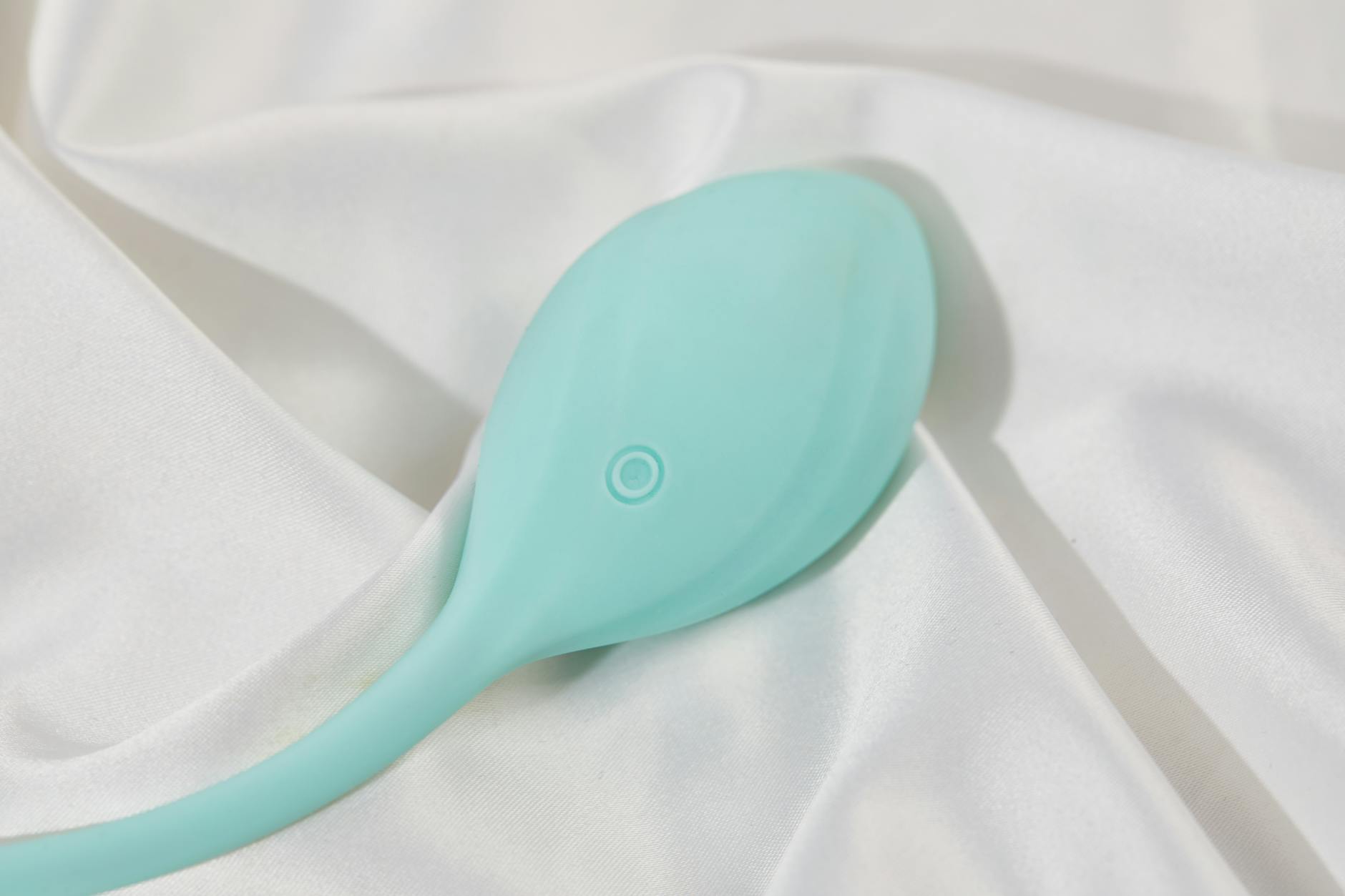
Lemon Vibrators for Sensitive Skin: What You Actually Need to Know
Here's the thing about intimate wellness products and sensitive skin. Not all vibrators are created equal, and the cheaper ones can leave you with irritation, rashes, or worse. If you've got reactive skin down there, lemon vibrators and lemon sexual toys deserve a closer look because the material matters far more than the shape.
This post walks you through what makes a lemon clitoral vibrator safe for sensitive skin, how to clean and store it properly, and what warning signs mean you should switch to something gentler.
Why material is the secret ingredient
Your vulva and inner labia are permeable tissue. They absorb things faster than your forearm or face, which means low-grade materials can cause problems in hours rather than days. Medical-grade silicone lemon vibrators and lem vibrator designs are non-porous, non-toxic, and don't leach chemicals when warmed by body heat.
Cheaper alternatives often contain phthalates, a class of plasticizers banned in the EU but still legal in many US sex toy manufacturers. These soften plastic and make it flexible, but they also migrate into your skin. For sensitive bodies, this is a recipe for contact dermatitis.
The gold standard is platinum-cure silicone. It's what Hello Nancy uses in their lemon sucker designs. It's inert, hypoallergenic, and doesn't break down over time. If you see "TPE" (thermoplastic elastomer) or "jelly rubber" on the label, skip it. Those are porous and harbor bacteria even after washing.
What "body-safe" actually means
Body-safe is not a regulated term. It's marketing language. But in practice, it means:
- Non-porous (bacteria can't hide in microscopic cracks)
- Hypoallergenic (free from latex, phthalates, and BPA)
- Inert at body temperature (doesn't release chemicals when warm)
- Durable (doesn't degrade or shed microplastics with use)
Stainless steel and borosilicate glass are also body-safe, but they're rare in lemon clitoral vibrator designs because they're harder to manufacture in that shape. Silicone dominates for a reason. It's flexible, durable, and genuinely safe when it's the right grade.
If you have a latex allergy, check the packaging. Most lemon vibrators are latex-free, but some boutique brands use natural rubber seals. One email to customer support solves that in minutes.
The cleaning protocol that matters
A lemon sexual toy or lem vibrator needs washing before first use and after every use. This isn't optional, especially if you have sensitive skin or a history of infections.
Here's what works:
Warm water and fragrance-free soap. Use your hands, not a brush or cloth, which can introduce fibers. Silicone is soft and scratches easily. Pay special attention to the seams where the motor housing meets the shaft. Bacteria can hide there.
Boiling (optional but thorough). If you're prone to infections or have immunosuppression, you can boil silicone lemon vibrators for 3-5 minutes to sterilize them fully. Let them cool completely before use. Don't boil more than once a month or you can damage the silicone over time.
Toy cleaner. If you want a specialized product, use one labeled for silicone toys. Regular antibacterial soaps can leave residue. Toy-specific cleaners are designed to rinse clean and not interfere with lubrication.
Dry thoroughly with a lint-free cloth. Moisture left behind can degrade the motor or encourage mold if stored in a closed case.
Storage and skin health
Where you store your lemon clitoral vibrator matters more than most people realize. A damp case or zippered bag with no airflow is an invitation for mold and bacterial overgrowth.
Instead, store it in a cool, dry place. A cotton pouch breathes and keeps dust off without trapping moisture. Keep it away from direct sunlight, which can degrade silicone over time and cause discoloration.
If you store multiple toys together (which is fine), don't let different materials touch. Silicone can leach into porous materials, and porous materials can stain silicone. Separate compartments or individual pouches prevent cross-contamination.
Temperature matters too. Extreme heat can warp silicone or damage the motor. A nightstand drawer at room temperature is ideal.
Lubricants and lemon sucker compatibility
Not all lubricants are safe with silicone. This is critical for sensitive skin because the wrong lube can cause more irritation than the toy itself.
Water-based lubricants are your safest bet. They're body-safe, easy to clean, and compatible with any lemon sexual toy. Look for brands with minimal additives (glycerin, parabens) if your skin is reactive. Plain water-based lubes exist and work fine.
Silicone-based lubes feel thicker and last longer, but they can degrade silicone toys over time. The lubricant actually softens the silicone, causing microscopic breakdown. Avoid these with your lem vibrator.
Oil-based lubes (coconut oil, mineral oil) damage silicone too and can trap bacteria against your skin. Not worth the risk.
Always test new lubricant on a small patch of inner arm first if you're prone to reactions. Your genitals are more sensitive, and you want to know before you apply it there.
When irritation means stop
Some people experience sensitivity even with body-safe lemon vibrators. This can happen for several reasons.
Pressure sensitivity. If the suction-cup design of a lemon clitoral vibrator causes mild irritation or bruising, you might need a different style. Reduced intensity levels or shorter sessions help. Some bodies just respond better to traditional vibration than suction, and that's completely normal.
Allergic contact dermatitis. Even medical-grade silicone causes reactions in a tiny subset of people. It's rare, but it happens. If you get a rash after 20 minutes of use that clears within a few hours of stopping, you might be that person. Try a different brand's lemon sucker to see if it's the specific formulation or silicone in general.
Bacterial vulvovaginitis. If you develop increased discharge, odor, or burning after using any toy, stop using it and see a doctor. Sometimes a toy introduces bacteria even when it's clean because your microbiome is delicate. This isn't a reflection on the toy's safety. It just means that particular one doesn't work for your body.
Pelvic floor tension. Sensitive skin can be a symptom of pelvic floor dysfunction, where the muscles are too tight. In this case, the toy isn't causing the problem, but it might aggravate it. Physical therapy with a pelvic floor specialist is the real fix.
If irritation happens, wash the toy thoroughly, give your skin a few days rest, and try again. If it happens again, try a different brand or material. And if it happens with every toy, talk to a gynecologist. Sometimes the issue is yeast, bacterial imbalance, or hormonal changes that need different support.
Checking the build quality before you buy
When you're shopping for a lemon vibrator, look for these details.
Seam visibility. A well-manufactured lemon sexual toy has minimal or invisible seams. Visible seams that aren't smooth are red flags for cheap manufacturing. Run your finger along the seams if you can before buying online. Read detailed photos in reviews.
Weight and feel. Medical-grade silicone has a specific heft. It should feel substantial and slightly weighted, not hollow or cheap-feeling. If a lemon clitoral vibrator feels too light or flimsy, it probably is.
Documentation. Reputable brands include material specifications and care instructions. If a lemon sucker listing on any site has zero material information, ask customer support. Their answer (or silence) tells you everything.
Warranty and returns. If a brand stands behind their lem vibrator with a return policy and warranty, that's confidence you can trust. Fly-by-night sellers don't offer these.
Hello Nancy's lemon vibrators include full material specs and come with detailed care guides because sensitive skin protection is built into their design philosophy from the start.
Sensitivity changes over time
Your skin isn't static. Hormonal cycles, medications, stress, and age all shift how reactive your body is. A lemon clitoral vibrator that felt perfect three months ago might cause mild irritation now.
This doesn't mean the toy is degrading. It usually means your skin barrier or microbiome has shifted. If you notice change, start with thorough cleaning and one or two shorter sessions to see if the sensitivity settles. If it persists, give yourself a week off and try again.
If you're on antibiotics or dealing with an infection, avoid using any lemon sexual toy until you're fully healed. These are temporary sensitivity spikes, not permanent incompatibility.
The real talk on cost and corners
Body-safe silicone lemon vibrators cost more than cheap alternatives for a reason. The material costs more, the manufacturing is stricter, and quality control actually exists. A $35 lemon sucker is almost certainly TPE or porous silicone, no matter what the label says.
If you have sensitive skin, spending $70-90 on a medical-grade toy is an investment in comfort and safety. You'll use it for years without replacement, and you won't deal with rashes, infections, or chemical leaching.
If budget is tight, save up. One good lemon clitoral vibrator beats cycling through three cheap ones that irritate you.
What you need in your sensitive-skin starter kit
If you're new to toys and have reactive skin, here's what actually matters:
- One medical-grade silicone lemon vibrator in a reputable brand
- Water-based lubricant with minimal additives
- Fragrance-free soap and a lint-free cloth for cleaning
- A cotton pouch for storage
- Patience with yourself while your body adjusts
Start with low intensity and shorter sessions. Work up from there. If you're also navigating how to use lemon vibrators when sensation feels numb or reduced, sensitivity adjustments take even more time. That's fine. Your body deserves the care.
FAQ: Sensitive skin and lemon vibrators
Can I use a lemon vibrator if I have vulvodynia or chronic vulvar pain?
Maybe, but it depends on what type you have and how you use it. If you have unprovoked generalized vulvodynia (constant burning with no trigger), most toys, including lemon clitoral vibrators, will aggravate it. Talk to a pelvic floor physical therapist or vulvologist before trying one. If you have provoked vestibulodynia (pain only during contact), you might tolerate a lemon sexual toy on low intensity for short periods. Start with external-only use and build from there if it feels manageable.
What's the difference between silicone and TPE for sensitive skin?
Silicone is non-porous, inert, and doesn't leach chemicals. TPE is porous, can harbor bacteria, and often contains phthalates. For sensitive skin, silicone is objectively safer. TPE feels similar when new, but breaks down faster and causes more reactions. If a lemon sucker is labeled TPE, skip it. Medical-grade silicone lemon vibrators are worth the price difference.
Can I be allergic to silicone itself?
Yes, it's rare but documented. True silicone allergy usually shows as rash, hives, or swelling within minutes of contact. If this happens with your lem vibrator, you're likely in that rare group. Hypoallergenic doesn't mean "no one will react," it means "fewer people will react." Borosilicate glass or stainless steel are alternatives, though they're less common in lemon clitoral vibrator designs.
How often should I replace a lemon vibrator if I have sensitive skin?
With proper care, a medical-grade silicone lemon sexual toy lasts 3-5 years or longer. Check it every 6 months for cracks, discoloration, or soft spots. If the silicone feels sticky, sticky silicone is degrading and should be replaced. If you use it daily, the motor might wear out before the material. Most quality lemon sucker designs have replaceable batteries or can be repaired, so ask the manufacturer about longevity before buying.
Is it safe to use a lemon vibrator during pregnancy if I have sensitive skin?
Generally yes, but your skin sensitivity usually increases during pregnancy due to hormonal changes. You might react to something you used before pregnancy without issues. Use your regular lemon clitoral vibrator only if it still feels comfortable. If new irritation appears, stop and talk to your OB-GYN. Pregnancy is a temporary state, and your body will normalize after, so don't force it.
Can I share a lemon vibrator with a partner if either of us has sensitive skin?
Only with thorough cleaning between uses. Bacterial or fungal transfer can happen even with clean toys if your microbiomes are different or one of you has an active infection. If either person is prone to sensitivity, maintain separate toys or at minimum clean and dry the shared toy completely and let it air for several hours between uses. Better safe than sorry with this one.
Keep exploring your pleasure safely
Sensitive skin doesn't mean you can't use lemon vibrators or any toys. It means you need to be intentional about material, cleaning, and storage. Body-safe silicone lemon clitoral vibrators are genuinely safe when you treat them with care. Your skin deserves that standard.
If you're also managing other sensory or comfort concerns, how to adjust lemon vibrator intensity for different sensations walks through settings that protect sensitive tissue while maximizing pleasure. And if you're unsure where to start, how to find your rhythm with lemon vibrators if you've never used toys breaks down the basics in a way that honors your body's specific needs.
Your sensitivity isn't a barrier. It's information. Listen to it, respond to it, and choose toys and practices that respect it. That's how you build a pleasure practice that actually lasts.