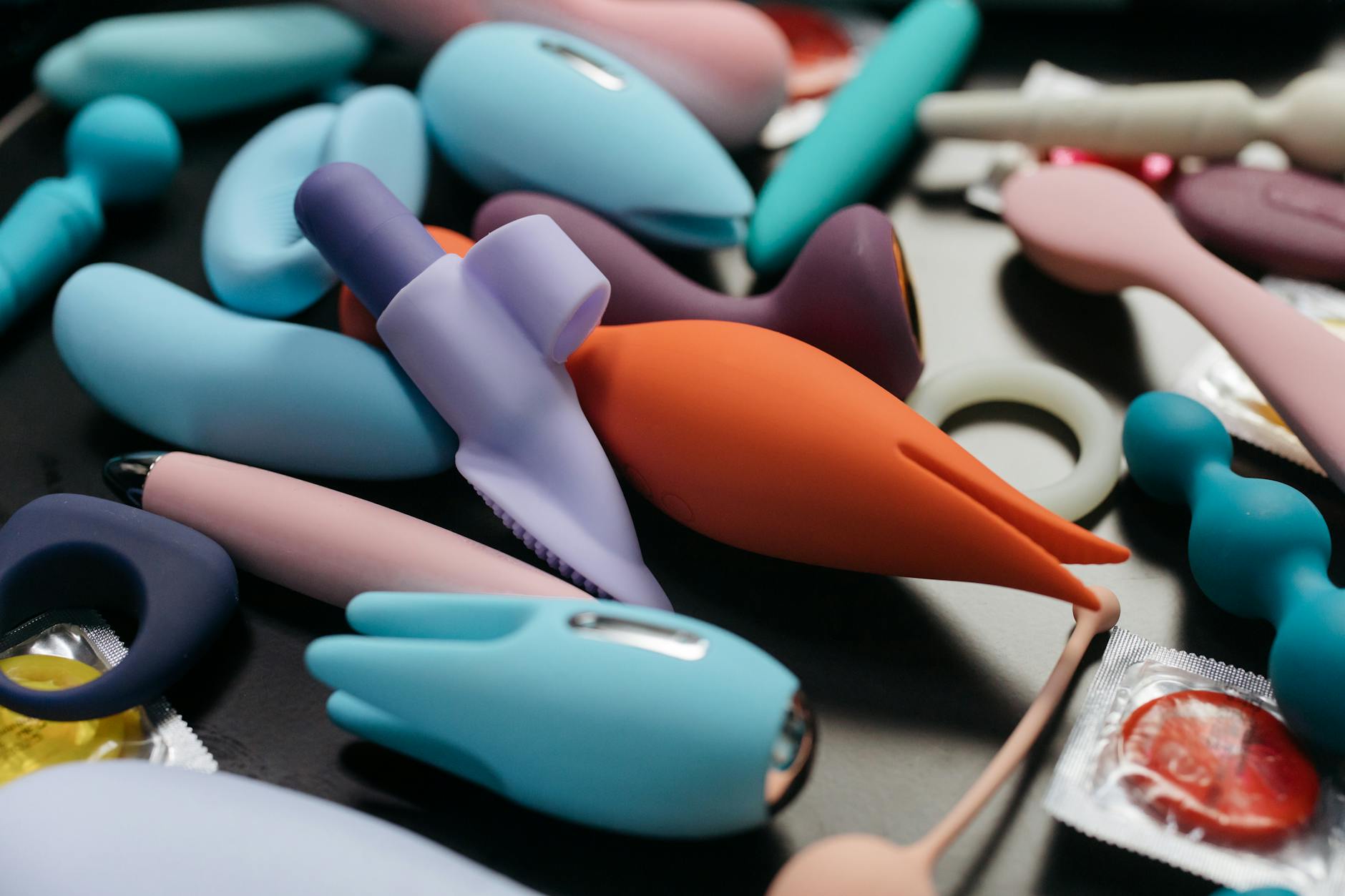
Let's start with the real thing
Stress is a better lubricant killer than hormones. Full stop. Your body has a biological reason for this, and it's not broken. When you're stressed, your nervous system prioritizes survival over pleasure. Lubrication production shuts down because your body is conserving energy for the fight-or-flight response. This is ancient physiology doing its job, except your threat is a work deadline, not a predator.
The problem is that most advice about low lubrication assumes the issue is hormonal or permanent. It's not. Stress-related dryness is usually temporary, highly reversible, and responds brilliantly to the right tools and approach.
Here's what nobody tells you: lemon clitoral vibrators are actually better suited to low-lubrication situations than you'd think, once you know how to use them.
Why stress tanks lubrication faster than anything else
Your nervous system controls lubrication production through the sympathetic nervous system, which is your accelerator. When you're in sympathetic overdrive (deadline stress, relationship conflict, work anxiety), your parasympathetic nervous system (the brake) gets suppressed. No brake, no blood flow to your genitals. No blood flow, no lubrication.
This is why you can be aroused mentally but completely dry physically. Your brain wants pleasure. Your nervous system is saying absolutely not.
The second thing happening is cortisol. Chronic stress elevates cortisol, which suppresses sex hormone production. Lower estrogen and testosterone means less vaginal secretion. Some people also experience reduced vaginal sensation because cortisol affects nerve sensitivity. You're not being difficult. You're having a physiology response to threat.
The timeline matters. If the stress is acute (a big presentation, a fight with your partner, a work crisis), lubrication usually recovers within 24-48 hours of your nervous system settling. If it's chronic (month-long stress at work, ongoing relationship tension, financial pressure), lubrication can stay suppressed for weeks.
How lemon vibrators work differently on dry tissue
Traditional vibrators with broad, flat contact surfaces can feel too intense or abrasive when lubrication is low. Lemon suction vibrators work on a different principle. Instead of friction, they use rhythmic pressure and suction patterns to stimulate the clitoral complex without requiring sustained lubrication to feel good.
This is actually the opposite of what people assume. You might think a vibrator would feel worse on dry tissue. The suction motion actually creates a seal that generates its own sensation without depending on slickness. Think of it like the difference between rubbing your arm dry and fast (uncomfortable), versus using a gentle suction cup (totally fine).
The Lemon Clitoral Vibrator uses patterns that engage more of the clitoral network. When lubrication is low, you want tools that stimulate through pressure and pattern, not speed and friction. That's a direct tactical advantage of suction-based toys during stress periods.
What to do the day arousal doesn't show up
First, accept the reality that your body is doing exactly what it evolved to do. No forcing, no pressure, no "just getting through it." That resistance makes everything worse.
Second, address the actual problem: your nervous system. Three things work fast.
Box breathing before pleasure time. Four counts in, hold for four, four counts out, hold for four. Do this for two minutes. Your nervous system responds to rhythm and control. Box breathing signals safety to your brain in real time.
Move your body first. A ten-minute walk, some stretching, even ten jumping jacks helps. Physical movement completes the stress cycle your body started but never finished. Trapped cortisol sits in your system and keeps the brake on. Movement metabolizes it.
Lower your expectations for the session. If you usually orgasm in eight minutes, give yourself thirty with no orgasm goal. Your nervous system needs time to downshift. The more you chase the finish line when you're stressed, the more your sympathetic nervous system doubles down.
Now, the tools.
Lubrication strategy for low-moisture days
Water-based lube is non-negotiable. Not because you're broken, but because low natural lubrication means the tiny friction points between skin and silicone become noticeable. A thin layer of water-based lubricant eliminates that friction entirely and keeps sensations smooth.
Apply it in two phases. First, a thin layer on your external genitals before you start. Second, add more lube at the midpoint of your session. People think you apply lube once. With stress-related dryness, two applications means you stay comfortable throughout.
Use a silicone-based lube if you're sensitive to water-based formulas. Silicone stays slippery longer than water-based and doesn't dry out as fast on low-lubrication days. The downside is it's harder to clean, but efficacy matters more on days when your body isn't cooperating.
The pattern that works best during high stress
Start on the lower intensity settings. Patterns 1-3 on most lemon sexual toys give you the suction motion without overwhelming stimulation. Your nervous system is already in high alert. You don't want sensory overload on top of that.
Find the pattern that feels like a steady rhythm, not pulsing. With low lubrication, you want consistent pressure rather than peaks and valleys. Steady patterns let your nervous system relax into the sensation instead of bracing for the next pulse.
Most people naturally escalate intensity when they're stressed. Resist that. Stay with lower intensities longer. When your nervous system finally downshifts and your body starts responding, you'll have room to increase. If you max out intensity immediately, you've painted yourself into a corner.
Rebuilding the connection after a stress dry spell
Stress-related lubrication loss often creates a feedback loop. You have one dry session, which becomes stressful, which makes the next session dry too. Breaking that cycle takes a few intentional sessions.
One strategy: use your lemon vibrator during lower-stakes moments. Not when you're trying to achieve an orgasm, but during a relaxing evening or morning when you have zero time pressure. This resets your body's association between pleasure and pressure. Your nervous system learns that touch equals safety, not performance.
Another strategy: use lemon vibrators when pleasure feels disconnected after stress. That article covers the psychological piece more deeply. Stress doesn't just tank lubrication. It disconnects you from your body's signals. You need to rebuild that channel.
The third strategy is simple but often skipped: actually manage the stress. I know that sounds obvious. It's not. Most people expect their pleasure response to recover while they're still in crisis mode. Your nervous system can't regulate two things at once. If the stress is ongoing (a bad job, unresolved relationship tension, financial pressure), pleasure recovery stalls until you actually address the stressor.
This doesn't mean you need a perfect life to have good sex. It means you need to do something tangible about the primary stress source. Even small action counts. Making a resume, having a hard conversation with your partner, or creating a financial plan signals to your nervous system that you're taking back control. Lubrication often returns within days.
When this becomes a sign of something bigger
If stress-related dryness persists for more than four weeks despite lowered stress levels, talk to a GP or gynecologist. Sometimes ongoing stress combined with other factors (new medication, hormonal shifts, underlying pelvic floor tension) creates a compound issue that needs professional attention.
Genitourinary syndrome of menopause is real, but so is stress-responsive dryness in any age. A clinician can distinguish between them and offer targeted solutions. Topical estrogen, pelvic floor physical therapy, or medication adjustments sometimes make the difference.
But first try the nervous system reset. Most people's lubrication bounces back within days once they actually address the underlying stress.
People also ask
Why does stress affect lubrication more than arousal?
Your brain and your nervous system are separate systems. Your brain can decide you want sex. Your nervous system (which controls blood flow, hormone release, and lubrication) can say no way. Arousal lives in your brain. Lubrication lives in your parasympathetic response. Stress suppresses the parasympathetic system while leaving your brain's desire intact. This is why you can feel horny but completely dry.
Can I use lemon vibrators on dry tissue without any lube?
Technically yes, but you shouldn't. Even during stress-related dryness, the suction-based action of lemon clitoral vibrators works better with a thin layer of water-based lubricant. It protects your delicate tissue and makes the sensation cleaner. A small amount goes a long way.
How long does stress-related dryness usually last?
If the stress is acute (a single bad week), lubrication usually rebounds within 24-48 hours of your nervous system settling. If it's chronic (month-long workplace crisis or ongoing relationship tension), expect two to four weeks after the stress resolves. Your body needs time to downshift. Pushing for pleasure before the parasympathetic system is ready just extends the dry spell.
Does stress dryness mean my hormones are off?
Not necessarily. Stress dryness is nervous system suppression, not hormonal imbalance. Your hormones are probably fine. Your parasympathetic brake is just stuck in the off position. Once stress decreases and your nervous system regulates, lubrication usually returns completely. That said, if it stays low after stress resolves, a hormone check is worth having.
What's the fastest way to get my lubrication back?
Manage your stress first, move your body to complete the stress cycle, use box breathing to signal safety to your nervous system, and then use a lemon vibrator with water-based lube at low intensities. Expecting pleasure to return while you're still in crisis mode is like expecting your body to digest food while you're running from danger. Address the actual threat first.
Can lubrication come back overnight if I address the stress?
Sometimes. If the stress was acute and your nervous system downshifts quickly, lubrication can return within 24 hours. More often it takes three to five days. Be patient with your body. It's not broken. It's just in protection mode.
What actually helps
Stress-related lubrication loss is temporary, reversible, and actually quite common. The thing that changes the game is accepting that this is a nervous system issue, not a sexual dysfunction issue. Once you address the stress and use tools like lemon sexual toys that don't depend on high lubrication to feel amazing, your body's response rebounds naturally.
Your pleasure matters. Your nervous system matters. They're connected. Treat both.
If you're navigating this, consider how lemon vibrators work when arousal takes longer to build as well. Stress often extends arousal time beyond just lubrication loss. That article covers the full picture.
For now, be kind to your body. It's doing what it evolved to do. The solution is managing the stress and choosing tools that work with your physiology, not against it.