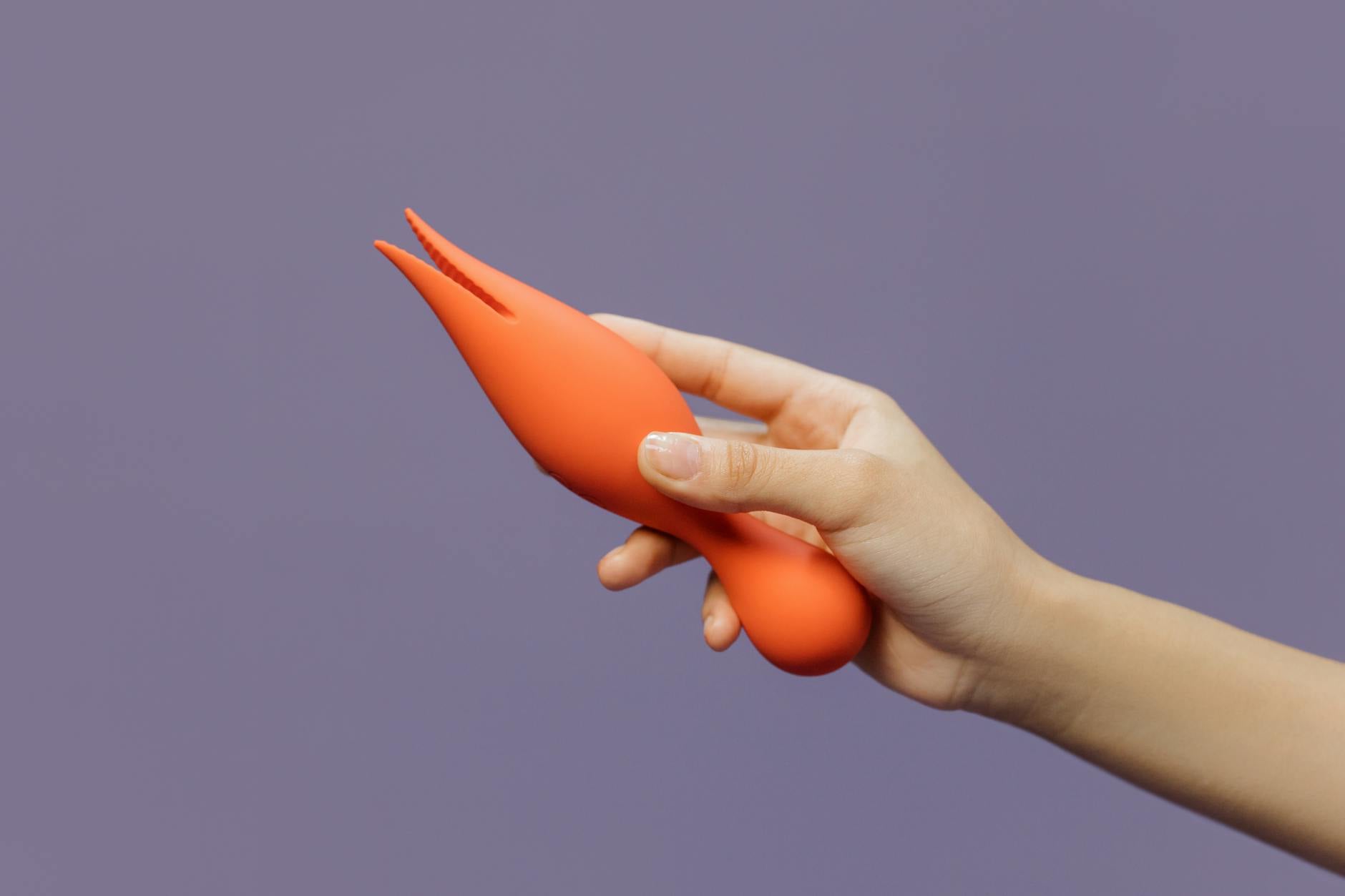
How to Use Lemon Vibrators When You Feel Stuck in a Pleasure Routine
You know the feeling. You reach for the same thing, the same way, at the same speed, and your brain barely registers it. Pleasure becomes a checkbox instead of an experience. The neural pathways have worn grooves so deep that novelty doesn't exist anymore. And then comes the guilt: shouldn't you still enjoy this? Why does it feel like you're going through the motions?
Here's the honest part: you're not broken. Your brain is working exactly as brains work. Repetition breeds habituation. It's the reason you stopped noticing the hum of your refrigerator and why the same song that gave you chills last year now feels like background noise. The nervous system adapts. And when pleasure is on the line, that adaptation feels personal.
The good news is that your capacity for sensation hasn't disappeared. It's just been numbed by predictability. And the fix is simpler than you might think.
Why pleasure routines happen (and why they're not your fault)
Your body's reward system runs on a principle called hedonic adaptation. You get the same stimulus, your receptors adjust their sensitivity downward, and the sensation fades. This happens with everything. Coffee stops tasting strong. A favorite sweater stops feeling luxurious. And yes, with pleasure too.
But there's a specific reason it happens more quickly with sexual response than, say, with food. Sexual response involves both neurological and hormonal feedback loops. When you do the same thing repeatedly, not only do your nerve endings habituate, your brain also learns to expect a particular outcome. Anticipation drops. Mystery vanishes. And without mystery, arousal loses fuel.
The cycle often looks like this: you find something that works. It feels amazing. So you do it again. And again. Each time, it works a little less. You adjust by going harder, faster, or longer. That works for a while. Then you adjust again. Eventually, you hit a ceiling where no amount of adjustment brings back what you had at the beginning.
This isn't failure. This is your nervous system asking for novelty.
The role of lemon vibrators in breaking the pattern
Here's what makes lemon vibrators particularly good at interrupting pleasure routines: they're different enough to jolt your system out of autopilot, but familiar enough that you're not starting from zero.
If you've been relying on fingers or a partner's touch, a clitoral vibrator introduces vibration. Vibration is a completely different sensory input. Your receptors don't have an established habituation response to it yet. The sensation feels new because it is new. And new sensation is the fastest way to restart arousal.
But vibrators aren't just about intensity. The best ones, like the Lemon clitoral vibrator, offer multiple patterns and speeds. This is important. A pattern isn't just faster or harder. It's rhythmically different. Your nervous system can't habituate to something that keeps changing. Unpredictability is arousing.
Breaking your routine in three deliberate moves
1. Change the context, not just the tool.
If you always pleasure yourself at night in bed, move to morning. If you always do it alone, try it with a partner nearby (not necessarily involved, just present). If you always do it in silence, add music or a podcast. Context acts as a primer for your nervous system. A new context resets some of the habituation because your brain is processing multiple new inputs simultaneously.
When you introduce a lemon vibrator alongside a context shift, the combined novelty is more powerful than the vibrator alone.
2. Start with the lowest setting and stay there longer than you think you need to.
One reason pleasure routines feel stale is that you've developed efficiency. You know exactly which techniques get you there fastest, so you skip the ramp-up. But skipping the ramp-up is where most of the sensation lives.
With a lemon clitoral vibrator, begin at pattern one or the lowest speed. Let your body experience it without rushing toward orgasm. Spend 10 to 15 minutes just exploring. Notice how the vibration feels against different parts of your vulva. Notice how it feels to slow down. This isn't procrastination. This is reclamation of sensation.
Your body has receptors you haven't properly attended to in months. The lemon suction toys work particularly well here because they create a drawing sensation that feels distinct from direct vibration. You're not just speeding up what you already do. You're introducing a genuinely new input.
3. Interrupt your own rhythm.
When you feel the pull toward the orgasm, pause. Stop using the vibrator for 30 seconds. Let the sensation subside slightly. Then start again at a different pattern or speed. Do this three or four times. This simple intervention breaks the automaticity of your response.
What you're doing neurologically is preventing the orgasm pathway from becoming scripted. Each time you pause and restart, your nervous system has to re-engage attention. By the time you actually have the orgasm, you've reconstructed it so many times that it feels earned and present instead of inevitable.
Patterns matter more than power
There's a myth that if one vibrator stops working, you need a more powerful one. In reality, you need a different pattern. Your nerve endings can habituate to intensity quickly. They habituate to rhythm much more slowly.
If you have access to a lemon vibrator with multiple patterns, use them all. And not just in sequence. Use one pattern for a few minutes, switch to another, then return to the first. This switching keeps your nervous system alert. The vibration feels new because the rhythm is new, even though it's the same device.
Many people find that when they've plateaued on vibration intensity, patterns like pulse or escalating modes reignite sensation. It's not because these patterns are inherently better. It's because they're different.
The role of your brain in breaking the cycle
Pleasure isn't actually located in your genitals. It's located in your attention. This is why you can use the exact same vibrator two ways and have two completely different experiences depending on where your mind is.
One of the most effective ways to interrupt a pleasure routine is to deliberately shift your focus. Instead of focusing on sensation in your genitals, focus on breath. Instead of focusing on reaching orgasm, focus on the texture of what you're feeling. Instead of watching yourself, close your eyes and just listen.
You can combine this with using lemon vibrators when pleasure feels disconnected after stress, because attention and mindfulness are the bridges that reconnect you to sensation. A lemon vibrator gives you the new stimulus. Your redirected attention gives you the capacity to feel it.
When you're in a relationship
If you share pleasure with a partner, the routine often involves both of you. One of you reaches orgasm the same way every time. The rhythm becomes predictable for both partners. And predictability, once it sets in, is hard to break without outside intervention.
Introducing a lemon clitoral vibrator into partnered sex is one of the gentlest ways to disrupt the script. It's not about replacing your partner. It's about adding a new variable that makes the experience unfamiliar enough to require presence from both of you.
My experience working with couples shows that when one partner introduces a toy they've been using solo, it tends to feel more natural than when a toy appears suddenly during partnered sex. If you've already broken your routine solo with the vibrator, you'll know which patterns feel best. You can guide your partner through the experience with more confidence.
Knowing when to seek outside support
If you've tried pattern switching, context changes, and attention shifts, and pleasure still feels inaccessible, that's worth examining with a professional. Sometimes what feels like a pleasure routine is actually a symptom of something else: depression, hormonal shifts, medication side effects, relationship dynamics, or past trauma.
A vibrator is a powerful tool for novelty and sensation. But it can't address underlying issues. If you've been stuck for months and nothing seems to restart things, talking to a therapist or sex counselor is the right move.
The simple truth about breaking free
Pleasure doesn't have to be complicated, but it does have to be novel. Your nervous system is wired to notice new things and habituate to old ones. That's not a flaw in you. That's how sensory systems work.
Lemon vibrators exist because they're different. Different vibrations, different patterns, different sensations. When you use one as a tool for intentional novelty rather than just for intensity, you're not chasing harder sensations. You're chasing presence. And presence is what makes pleasure feel alive again.
Start small. Change one variable. Stay present. Let your body remember what it's like to be surprised.
People also ask
How long does it take to break out of a pleasure routine with a vibrator?
It varies, but most people notice a shift within two to four weeks of deliberate novelty practice. That said, the goal isn't to feel completely different overnight. The goal is to notice that sensation is returning. Small changes in arousal response usually appear before dramatic ones. You might notice that you're more aware of touch, that arousal builds a little faster, or that you feel more present during pleasure. These are signs the routine is breaking.
Can using the same vibrator in different ways prevent habituation?
Absolutely. This is why patterns matter. Even if you have just one lemon vibrator, using different patterns, different speeds, different rhythms, and pausing between sessions all create novelty. You don't need a new toy every time. You need a new approach to the tool you have. Changing how you use something is almost as effective as changing the thing itself.
Is it normal to feel less sensation with a vibrator than you did the first time?
Completely normal. This is habituation in action. The solution isn't usually to switch to a more powerful vibrator. It's to take a break, use different patterns, vary your routine, or shift contexts. Sometimes stepping away from vibrators entirely for a few weeks and going back to manual stimulation helps reset your receptors. The key is introducing enough novelty that your nervous system has to re-engage.
Can I use lemon vibrators with a partner to refresh our sex life?
Yes, and it's actually one of the gentlest ways to introduce novelty into partnered pleasure. If you've been stuck in a routine with a partner, a new tool makes both of you have to be present and attentive. I'd recommend exploring it solo first so you know what feels good, then introducing it with your partner. This removes the pressure of figuring it out together in the moment.
What if a vibrator never felt good in the first place?
This is different from habituation. If vibration itself doesn't appeal to you, that's valid. Some people prefer suction sensations, some prefer direct pressure, some prefer manual touch. Not every body is built for every tool. If a lemon vibrator doesn't work for you, that's information, not a problem. You might explore other options or return to what does work. Pleasure isn't one-size-fits-all.
How do I know if I'm stuck in a routine versus losing desire entirely?
The difference is usually in your capacity to feel anything when you try something new. If you feel nothing at all, even with new tools or new contexts, that might point to something deeper. But if you feel a flicker of novelty when you introduce something genuinely different (a new vibrator, a new pattern, a new setting), you're experiencing habituation, not lost capacity. Habituation responds to novelty. Lost desire is usually a sign something else is happening and deserves professional attention.
Moving forward
Pleasure routines aren't permanent. They're just your nervous system telling you it's ready for something different. Listen to that signal. Introduce lemon clitoral vibrators not because they're a magic fix, but because they're a genuine novelty. Vary patterns. Shift contexts. Stay present. Let yourself be surprised.
Your capacity for sensation is still there. You've just outgrown the script. Time to write a new one.
If you're looking for guidance on how pleasure should feel or how to talk to a partner about what you need, reach out. I'm here to help you rebuild what you thought was gone.