
When pleasure feels like infidelity
Here's what nobody tells you: after a breakup, touching yourself can feel like a betrayal. Not logically. Emotionally. Your nervous system spent months or years calibrated to another person. Your arousal lived in the space between you. Solo touch can feel performative, lonely, or worse. Like you're erasing someone who mattered.
I work with clients on this regularly. The ones who move through it fastest aren't the ones who try to ignore the grief. They're the ones who acknowledge it, then decide their pleasure belongs to them again.
That's where lemon clitoral vibrators come in. Not as a replacement for what you lost, but as a reset button for what's yours.
The neurology of breaking the pattern
When you're in a relationship, your brain's pleasure architecture gets rewired. Specific touches, sounds, even smells become neural shortcuts to arousal. Your partner's voice triggers a cascade of dopamine. Their hands know the rhythm that works for you. Your body learns to respond to them.
When that relationship ends, your nervous system doesn't just delete those pathways. It keeps waiting for them. You'll be alone, thinking about something entirely unrelated, and your body suddenly reaches for an invisible partner.
This is completely normal. Also completely fixable.
Clitoral vibrators, specifically ones like Lemon's air-suction design, interrupt those old patterns because they create a sensation your body didn't experience with your ex. It's new. It's solo. It's yours. And neurologically, that distinction matters. You're not trying to replicate partnered sex. You're building a different sensory pathway.
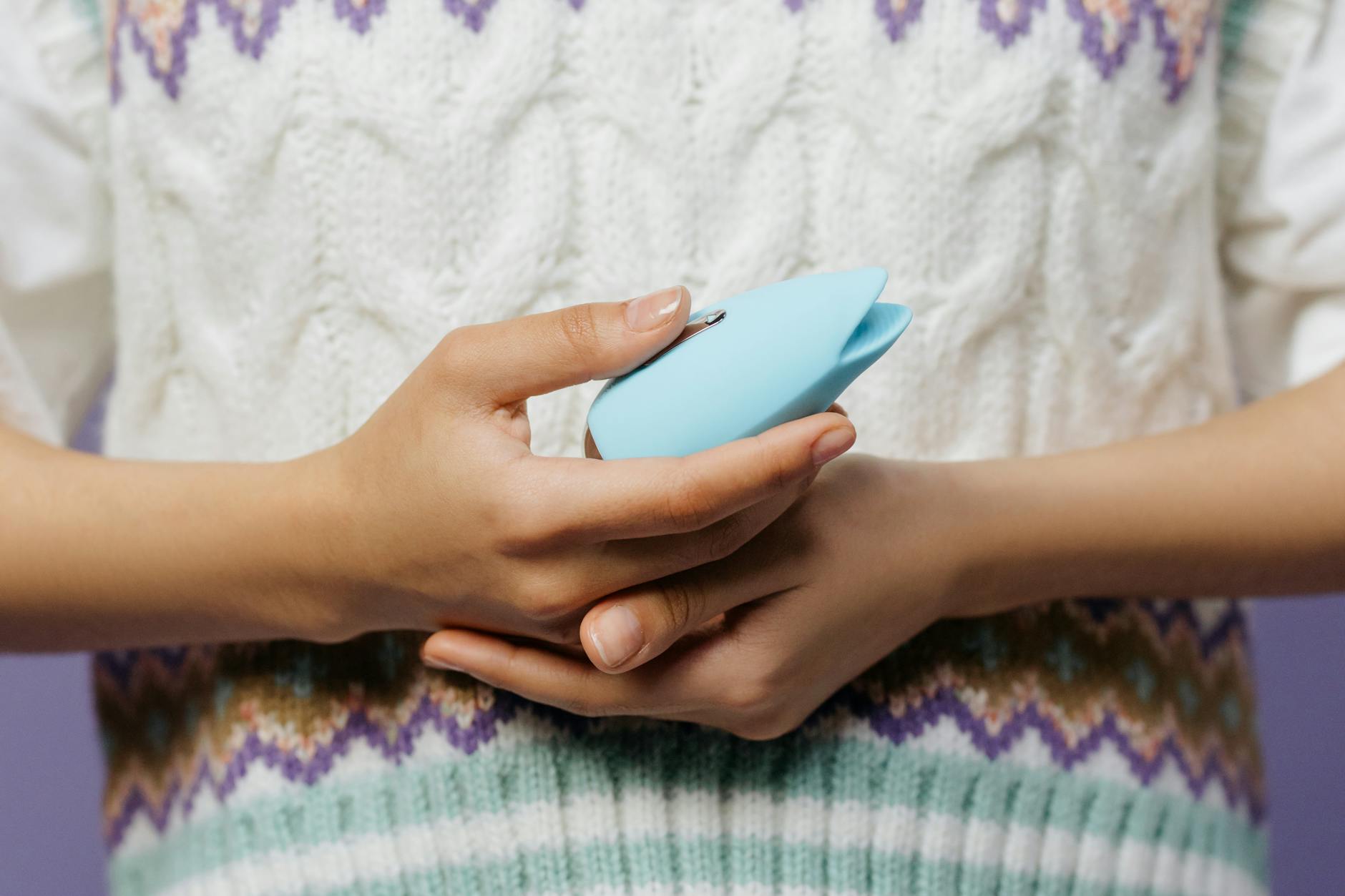
Photo by cottonbro studio on Pexels
Why starting solo is actually better
You might be thinking: shouldn't I wait until I have a new partner before relearning pleasure? No. And here's why.
When you reclaim solo pleasure after a breakup, you're not doing it for an audience. You're not monitoring whether you're responsive enough, enthusiastic enough, or fitting someone else's rhythm. You're learning what your body wants, independent of anyone else's needs or presence.
That knowledge is foundational. Relationships are better (way better) when both people know what they want before they enter them. You're not starting from a place of depletion or confusion. You're starting from reclamation.
A lemon vibrator, because it's portable and discreet, also means you can explore on your timeline. Ten minutes in the bath. Fifteen minutes before sleep. No performance pressure. No negotiation. Just rediscovery.
The first week is the hardest
Expect that initial resistance. Your body might feel numb. Your brain might offer helpful thoughts like "This isn't the same" or "This isn't real pleasure." Both true statements. Both irrelevant.
Here's what I recommend:
Start with low intensity. If you're using a lemon vibrator, begin at pattern one. Don't chase an orgasm. That's the old pattern talking. Your ex probably relied on orgasms as proof that sex "worked." You're not looking for proof. You're looking for sensation.
Spend the first few sessions just noticing. What patterns feel interesting? What rhythm creates a little fizz of response? Does pressure matter, or is consistent suction enough? This is data gathering, not performance.
After a breakup, your nervous system is in mild hypervigilance. You're scanning for loss, processing grief, staying alert for reminders. That makes true relaxation hard. Expect it to take two to three weeks before you feel genuinely present during solo pleasure.
Grief and arousal aren't mutually exclusive
You can miss someone and want them gone. You can mourn a relationship and be excited about your body again. These aren't contradictions. They're the reality of being human.
Some clients tell me they cry during or after solo pleasure in the first month post-breakup. That's not a sign something's wrong. That's your nervous system releasing and reintegrating. You're grieving the intimacy while reclaiming the sensation. That's hard. It's also transformative.
If you're using a clitoral vibrator and find yourself getting emotional, pause. Breathe. Let yourself feel. Then decide if you want to continue. There's no wrong answer. Your comfort comes first.
Building a new relationship with your own pleasure
After about three weeks of solo exploration with a lemon vibrator, something shifts. The newness wears off. Your body stops waiting for your ex's touch. Your arousal starts to feel like something that belongs to you again.
That's when you can get curious about what you actually like, separate from what your ex wanted or what you thought you should want. Maybe clitoral vibrators are your thing. Maybe you want something combined with penetration. Maybe you discover you like different intensities depending on your mood.
This exploration is sovereignty. It's small, it's personal, and it matters.
When to involve a new partner (or not)
If you're dating again and things are getting intimate, here's my advice: you don't have to tell your new partner about your solo pleasure practice unless you want to. But if you do get intimate and your body behaves differently than your ex's partner expected, that's worth addressing.
You might take longer to get aroused. You might need different stimulation. That's not something to apologize for. It's information your new partner needs to make intimacy work for both of you.
Many people find that reclaiming solo pleasure with tools like the Lemon Clit vibrator actually makes partnered sex better, because you know what you want before your partner ever touches you.
The difference between healing and avoiding
Here's the line I try to help clients see: if you're using a clitoral vibrator to check out from your feelings, that's avoidance. If you're using it to process your feelings while reclaiming your body, that's healing.
How do you tell the difference? Avoidance feels like escapism. You're reaching for the vibrator to not feel something. Healing feels intentional. You're touching yourself because you're in the process of understanding who you are without your ex.
If you find yourself using solo pleasure as a numbing tool, that's a signal to slow down. Talk to someone. Work through the grief first. Your body will still be there.
FAQ: reconnecting with pleasure after a breakup
How long does it take to feel like myself again sexually after a breakup?
Three to six weeks for most people to feel genuinely present during solo pleasure. Six months to a year to feel fully integrated back into your body. That timeline varies wildly based on how long the relationship was, how it ended, and your relationship history generally. Be patient with yourself. Your nervous system isn't on a schedule.
Is using a vibrator right after a breakup healthy, or should I wait?
There's no expiration date on grief. You don't have to wait until you've stopped missing someone to reclaim your own pleasure. In fact, solo pleasure can be part of the healing process, as long as you're not using it to avoid processing harder emotions. Check your intention. If you're exploring because you want to know yourself again, you're good.
What if I don't feel aroused no matter what vibrator I use?
That's really common. Grief, stress, and nervous system dysregulation all suppress arousal. If numbness persists beyond a month, that might signal depression. Consider talking to a therapist. In the meantime, release the pressure to feel aroused. Explore sensation without expecting excitement.
Can I use a lemon vibrator with a new partner if we get serious?
Yes. Many couples find that integrating vibrators into partnered sex improves the experience for everyone. If you're worried about your new partner's reaction, that's worth discussing separately from sex. Their comfort with your pleasure preferences is foundational.
Does using a clitoral vibrator solo change how my body responds with a partner?
No. Your ability to respond to partnered touch isn't diminished by solo exploration. If anything, knowing what your body likes means you can communicate better with a partner, which usually makes partnered sex better.
What if I get aroused and feel guilty, like I'm betraying my ex?
You're not. Your pleasure is yours. Your ex isn't in your body anymore. Guilt is a normal part of the grief process. It usually passes. If it doesn't, that's worth examining with a therapist, because persistent guilt can signal you haven't fully given yourself permission to move forward.
The long view
Breakups are brutal partly because they're identity disruptions. You were "we" for a while. Now you're "I" again. That's disorienting. Reclaiming pleasure with tools like Lemon vibrators isn't about escaping the breakup. It's about saying: my body is mine. My pleasure is mine. I get to know what I want.
That's not small. That's the foundation for every healthy relationship that comes next.
Resources and further reading
If you're working through a breakup while rediscovering your pleasure, consider exploring how to use lemon vibrators when pleasure feels disconnected after stress for additional techniques on rebuilding arousal. You might also find value in understanding how to use lemon vibrators when you want to explore without a partner present, which dives deeper into solo practice as a skill.