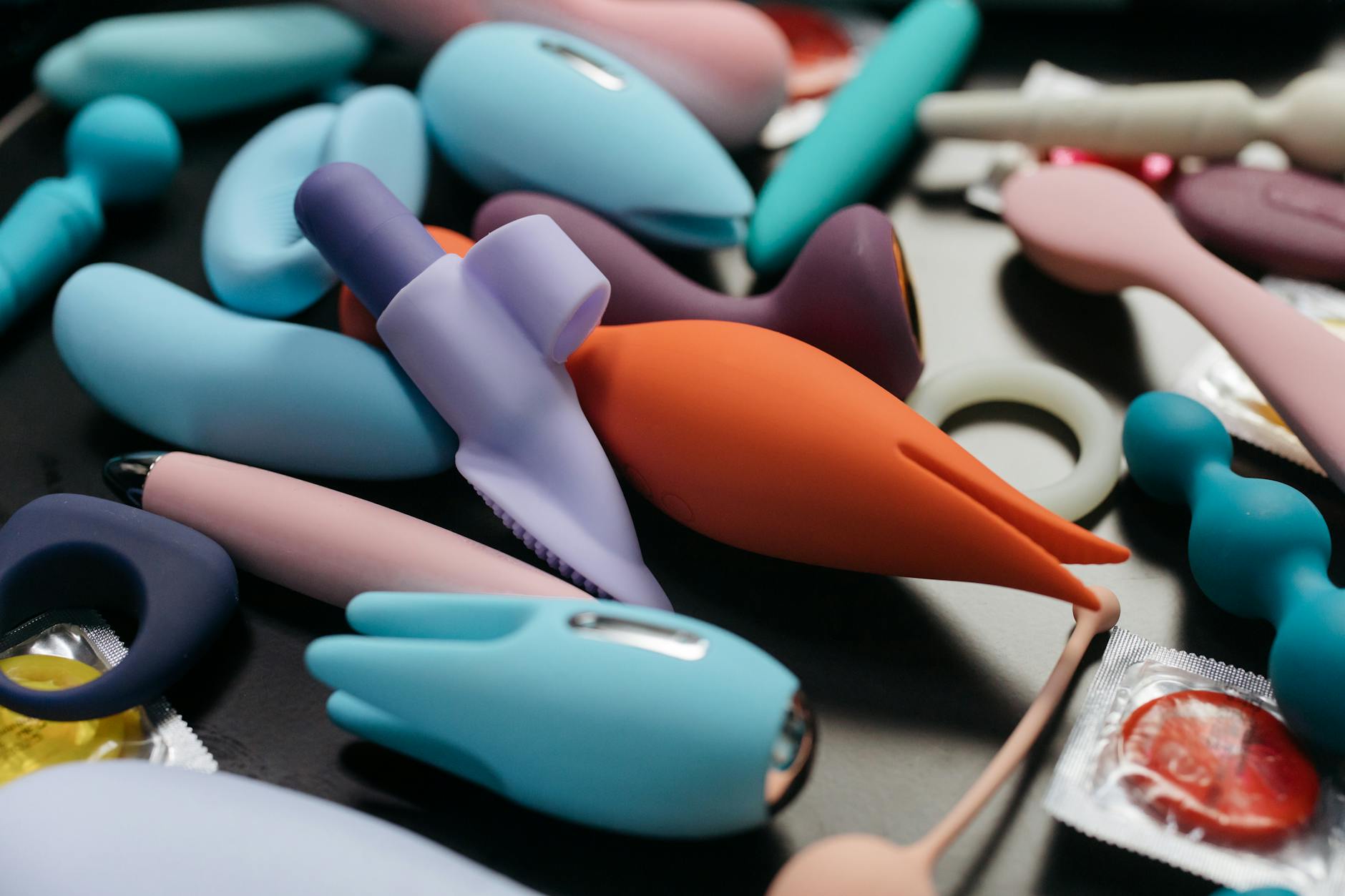
Let's start with what you're actually feeling
You've been apart. Months, maybe years. The anticipation was huge. Then you're actually together again, and something feels... off. Not wrong. Off. Your bodies don't quite remember each other. The rhythm you had is buried somewhere. Desire is there, but it's tangled up with nervousness, expectation, and the weird vulnerability of starting over with someone who isn't actually new.
This is normal. This is also exactly where a lemon clitoral vibrator becomes less of a toy and more of a conversation starter. Not the words conversation. The body conversation.
Why reconnection is different from first-time sex
There's this assumption that if you've been with someone before, the sex should just slot back in. It doesn't work that way. When you've been apart, your body has changed. Your nervous system has settled into a different baseline. Your partner hasn't been touching you, so your skin has less muscle memory for their touch. Hormonally, neurologically, emotionally. You're not the same people.
That sounds heavy. It isn't. It's just information.
What it means practically: you can't rely on muscle memory. You have to build new pathways. A lemon vibrator helps because it gives you both something to focus on that isn't the pressure of "making it work." It's just a tool. It's just sensation. It removes the performance aspect long enough for your bodies to actually reconnect.
The first conversation needs to happen before you're in bed
I tell clients this all the time: the best sex after time apart doesn't start in the bedroom. It starts over coffee, or on a walk, or whenever you can talk without distraction.
What changed while you were apart? Not the emotional heavy stuff necessarily. I mean the physical stuff. How does your partner touch you now? Firmer, gentler, different? Do they know you've maybe changed what you like? Do you?
Bring up the vibrator deliberately. Not as a fix. As an exploration. "I've been using a lemon vibrator, and I think it might be fun to explore together." That sentence does two things. It normalizes solo pleasure (which is important), and it signals that this reconnection is about curiosity, not pressure.
If your partner hasn't used a vibrator with a partner before, expect some hesitation. That's not rejection. That's just unfamiliarity. Walk them through the idea simply. It's not replacing them. It's adding a sensation their hand can't create. That's useful information.
Start with a lower intensity than you'd use alone
When you're solo with a lemon vibrator, you've probably found your sweet spot. You know exactly where on your clitoris feels best. You know the rhythm that works. You can adjust instantly.
With a partner, everything shifts. You're aroused differently because someone you trust is watching, or touching, or both. Your nervous system is in a different state. Lower intensity to start is not compromise. It's strategy.
Set the lem vibrator to pattern 1 or 2. Let your partner hold it, or you can hold it and guide their hand. The point is to rebuild the sensation map together. Your partner will learn where makes you respond. You'll learn to receive pleasure again in a partnered context. That learning matters more than the intensity.
Pace matters more than pressure
After time apart, one of the most common issues is that reconnection feels rushed. There's this sense that you have to make up for lost time, or prove that you still work together. So everything speeds up.
Slowing down is the actual move.
Budget 20 to 30 minutes just for touch and exploration. No goal. No endpoint. Your partner's hands on your skin. The vibrator. Your voice telling them what feels different now, what still feels the same. This sounds long if you're used to efficient sex. It's actually the fastest way back to genuine connection.
If you're worried about endurance or arousal, don't. The lemon vibrator handles the physical work. Your partner can simply touch you, talk to you, be present. You focus on sensation instead of performance.
What if vulnerability shows up as numbness or difficulty
Here's what happens sometimes. You're back together. Everything should feel amazing. And it feels. Muted. Distant. Like you're observing pleasure instead of experiencing it.
This is dissociation, usually mild. It happens when your nervous system is trying to protect you from the intensity of reconnection. That's not a sign to push harder. It's a sign to pause.
Talk to your partner. "I'm feeling a little disconnected right now." That's all you need to say. Then slow everything down further. Go back to touch without the vibrator for a few minutes. Breathe together. Make eye contact. Let your nervous system recognize that this person is safe and present.
When you come back to the vibrator, your body will respond differently. Starting low and building gives your nervous system permission to gradually open up instead of forcing it.
The arousal curve looks different after time apart
You might find that you take longer to get fully aroused. Or that arousal builds in a different pattern than before. Your body might respond faster to a certain kind of touch now, or slower. This isn't malfunction. It's just how bodies work when conditions change.
Use the vibrator not as a rescue tool, but as a way to learn your new baseline together. "Let's see what feels good now," instead of "I'm worried this won't work."
If arousal does take longer, that's actually useful. Longer arousal means more blood flow, more lubrication, more pleasure potential. A lemon clitoral vibrator working at low intensity for 10 or 15 minutes while your partner touches you or talks to you can be more satisfying than a quick, high-intensity session.
Integrate the vibrator into your regular rhythm
After you've reconnected a few times, the vibrator stops being a novelty and becomes a tool you both understand. That's when the real partnership happens.
Maybe your partner uses it on you while you're inside them, or while you're focused on penetration together. Maybe you use it while they touch you. Maybe you simply know that when you want to come quickly, the lem vibrator is faster than waiting. The point is it becomes integrated, normal, part of your sexual vocabulary together.
For couples reconnecting after time apart, this integration usually happens within a few weeks if you're being intentional about it. How to use lemon vibrators when you have a partner but want solo pleasure time covers the solo side. This is the coupled version.
When reconnection happens faster than expected
Sometimes the opposite happens. You come together and it's immediate. Chemistry reignites. Arousal is fast and intense. The desire to make up for lost time is real.
Even then, starting with lower vibration levels helps. It prevents overstimulation, which can numb you out. A lemon vibrator at pattern 2 or 3 for longer can feel deeper and more grounded than pattern 5 at fast speed. Your nervous system will stay more present.
Also, intense reconnection sex can be followed by a crash. You feel vulnerable, maybe emotional. That's normal. Plan for quiet time after. Coffee. Conversation. Physical closeness without agenda. The vibrator accelerates pleasure, but reconnection still needs integration time.
The communication that keeps it going
After time apart, the single most useful thing you can do is keep talking. Not processing or analyzing. Just updating each other.
"That pattern feels different tonight." "I liked when you combined the vibrator with your mouth." "I'm not in the mood, but I want to reconnect soon." "This is working really well." Short updates. Regular updates.
This isn't work. It's the texture of staying connected. It's the small data that keeps you oriented toward each other.
For more on navigating different partner preferences during intimate moments, how to use lemon vibrators when you and your partner have different arousal speeds digs into that dynamic specifically. Right now, the goal is just relearning each other.
What if you're still struggling after a few attempts
Some couples find that reconnection takes longer than they hoped. Months, in some cases. That's not failure. That's just a harder reset than you anticipated.
If you're three or four weeks in and desire is still muted, or if one partner is consistently more interested than the other, a couples therapist can help. I'm not saying something is broken. I'm saying sometimes reconnection needs a third party to navigate the emotional layers underneath the physical stuff.
A vibrator is a tool for pleasure. It's not a fix for deeper disconnection. If you're using the lem vibrator correctly and things still feel off, that's information about what else might need attention.
Frequently asked questions
How long does it usually take to feel sexually connected again after time apart?
Every couple is different, but most couples I work with report that physical reconnection starts to feel natural again within three to six weeks of regular, intentional intimate contact. The key word is intentional. If you're only being intimate sporadically, it takes longer. If you're being consistent and communicative, it usually moves faster. The lemon vibrator doesn't speed up emotional reconnection, but it does make the physical part less fraught, which gives the emotional part room to happen.
Should we use a vibrator the first time we're together again, or wait?
Wait. The first few times should be about rediscovering each other's bodies without tools. You need to remember how your partner touches, how they respond, where they've changed. Once you've done that a few times and you both feel less nervous, introduce the vibrator as something you're exploring together, not as a rescue tool. If performance anxiety is high from the start, you can bring it in earlier, but ideally, you both want a few reconnection sessions under your belt first.
What if my partner is uncomfortable with vibrators?
Talk about why. Is it a belief thing? ("Real sex shouldn't need tools.") Is it anxiety about performance? ("Am I not enough?") Is it just unfamiliarity? The reason matters because it changes how you approach it. If it's unfamiliarity, demystifying helps. Show them how it works. Explain that it's not replacing them. If it's about adequacy, that's a deeper conversation about what adequacy means to you both. A vibrator isn't a statement about your partner. It's a statement about your pleasure, and pleasure is collaborative.
Is it normal to feel awkward or self-conscious using a vibrator with a returning partner?
Completely normal. You haven't been vulnerable with this person in a while. You're worried about judgment, or performance, or whether they'll think you're too eager or not eager enough. That's just the nervous system being careful. The way through is slowness, communication, and remembering that your partner wants you to feel good. If they don't, that's a separate issue. But most people who reconnect with someone do want that. They just need permission to show it.
Can a vibrator actually help if we're struggling with desire?
It can help, but it's not a cure. A vibrator can make physical pleasure happen, which can sometimes restart desire. But if the desire is low because of emotional disconnection, resentment, or misalignment, a vibrator is a band-aid. It's useful short-term, but you need to address what's underneath. Think of it this way: a vibrator can help your body remember pleasure. Your conversation has to help your heart remember why you chose this person.
What settings or patterns work best for couples who are reconnecting?
Start low. Patterns 1 through 3 on a lemon vibrator are your friends. They provide steady, consistent stimulation that lets both of you stay present. As you reconnect over weeks, you'll figure out what you both prefer. Some couples love the pattern variety. Others stick to one rhythm that works. There's no right answer. The point is that starting gentle gives you room to build up together instead of starting at a peak and having nowhere to go.
How often should we be intimate while we're rebuilding connection?
Two to three times a week is ideal for most couples trying to rebuild after time apart. It's frequent enough that your bodies start to remember each other, but not so frequent that it feels like obligation. Quality matters more than quantity. Thirty minutes of intentional, communicative intimate time twice a week beats sporadic longer sessions. Consistency teaches your nervous systems that it's safe to reconnect.
What comes next
Reconnection after time apart is one of the hardest and most rewarding things a couple can do. It requires vulnerability, patience, and the willingness to start over in some ways while honoring what you had before.
A lemon vibrator is just a tool. But it's a tool that signals curiosity instead of desperation. That makes all the difference. Use it thoughtfully, talk about what works, and let your bodies do what they're actually capable of. They remember more than you think.
If you're navigating other challenges in reconnection, how to use lemon vibrators when reconnecting intimacy after relationship rupture explores deeper disconnection. For now, start simple. Start slow. Your partner is waiting.